
Shot Blasting Machine
Shot blasting machines
Complete surface preparation solutions for castings, forgings and fabricated steel components.
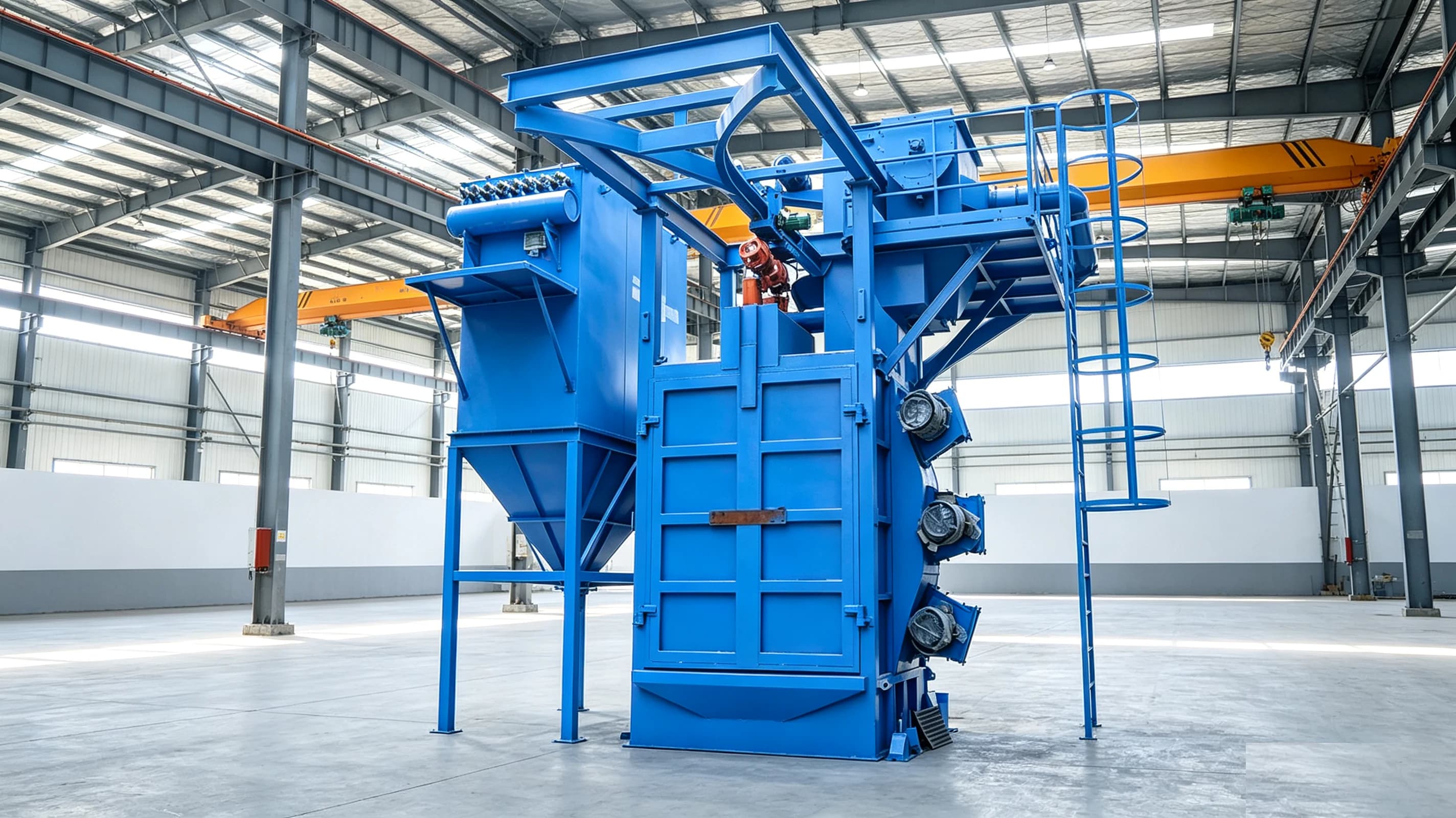
Hook Type Shot Blasting Machine
Suspended hook cleaning for varied castings and fabricated parts.
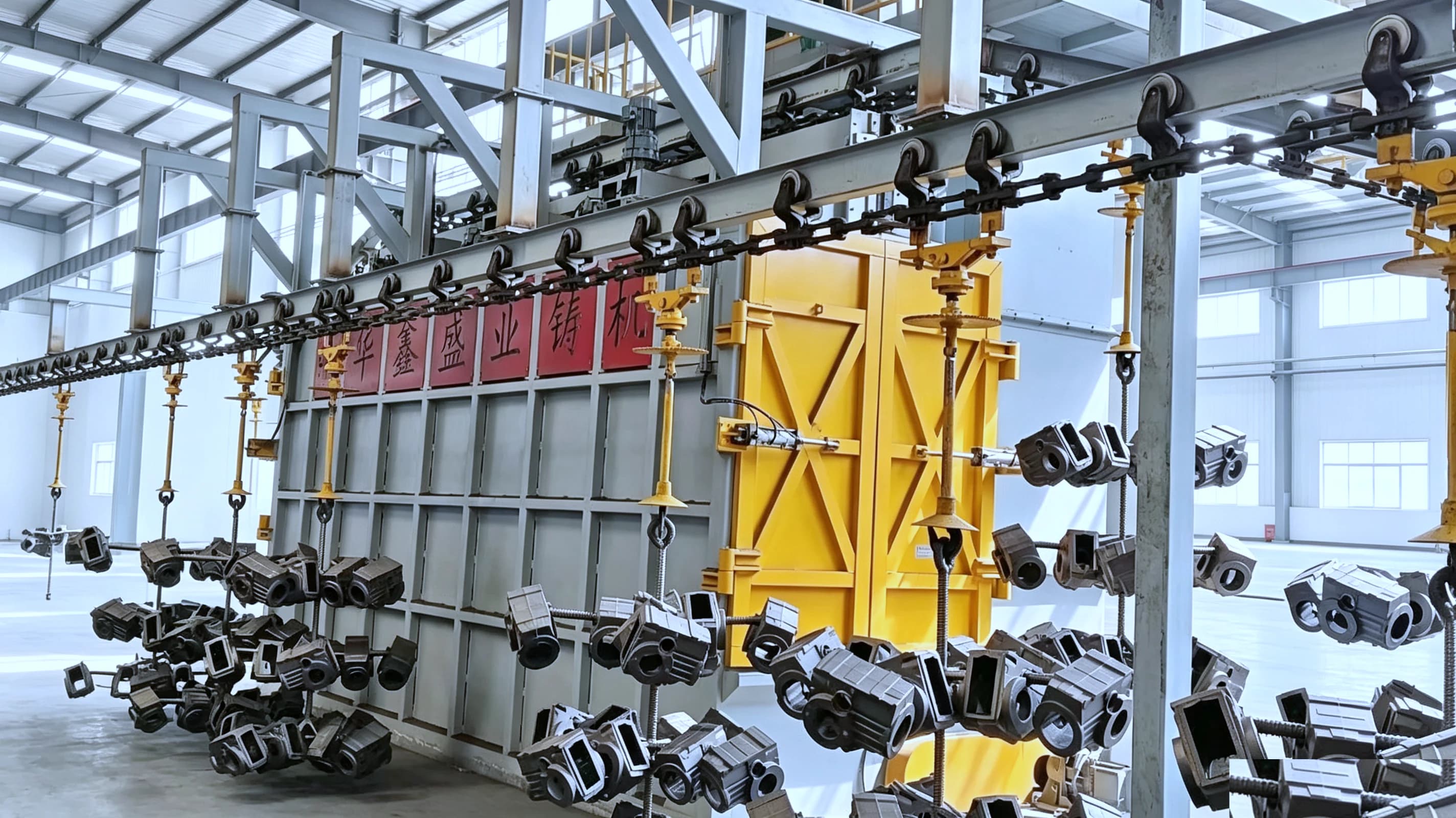
Overhead Conveyor Shot Blasting Machine
Continuous blasting for suspended production line workflows.
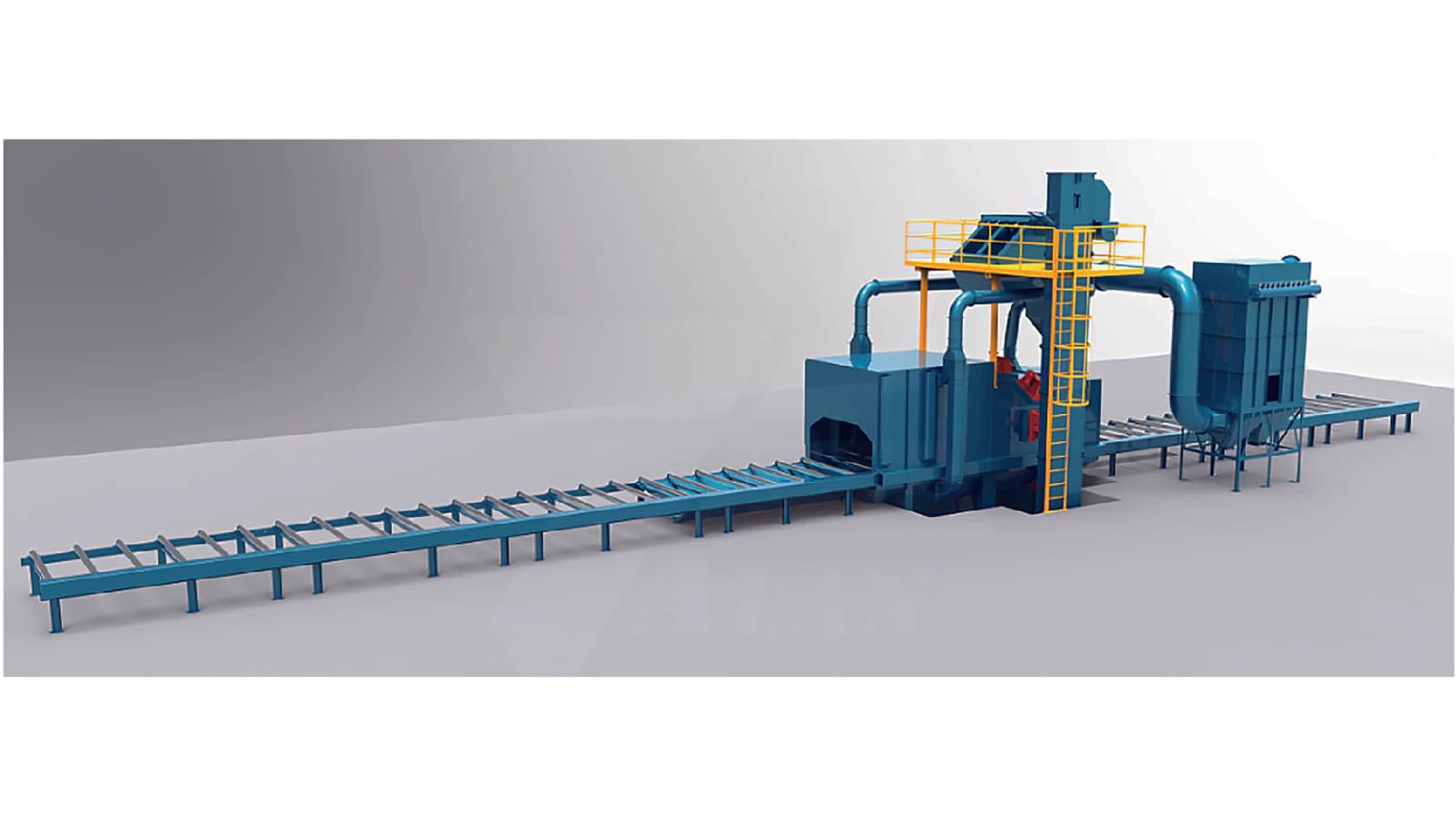
Roller Conveyor Shot Blasting Machine
Inline surface preparation for profiles, plates and structures.
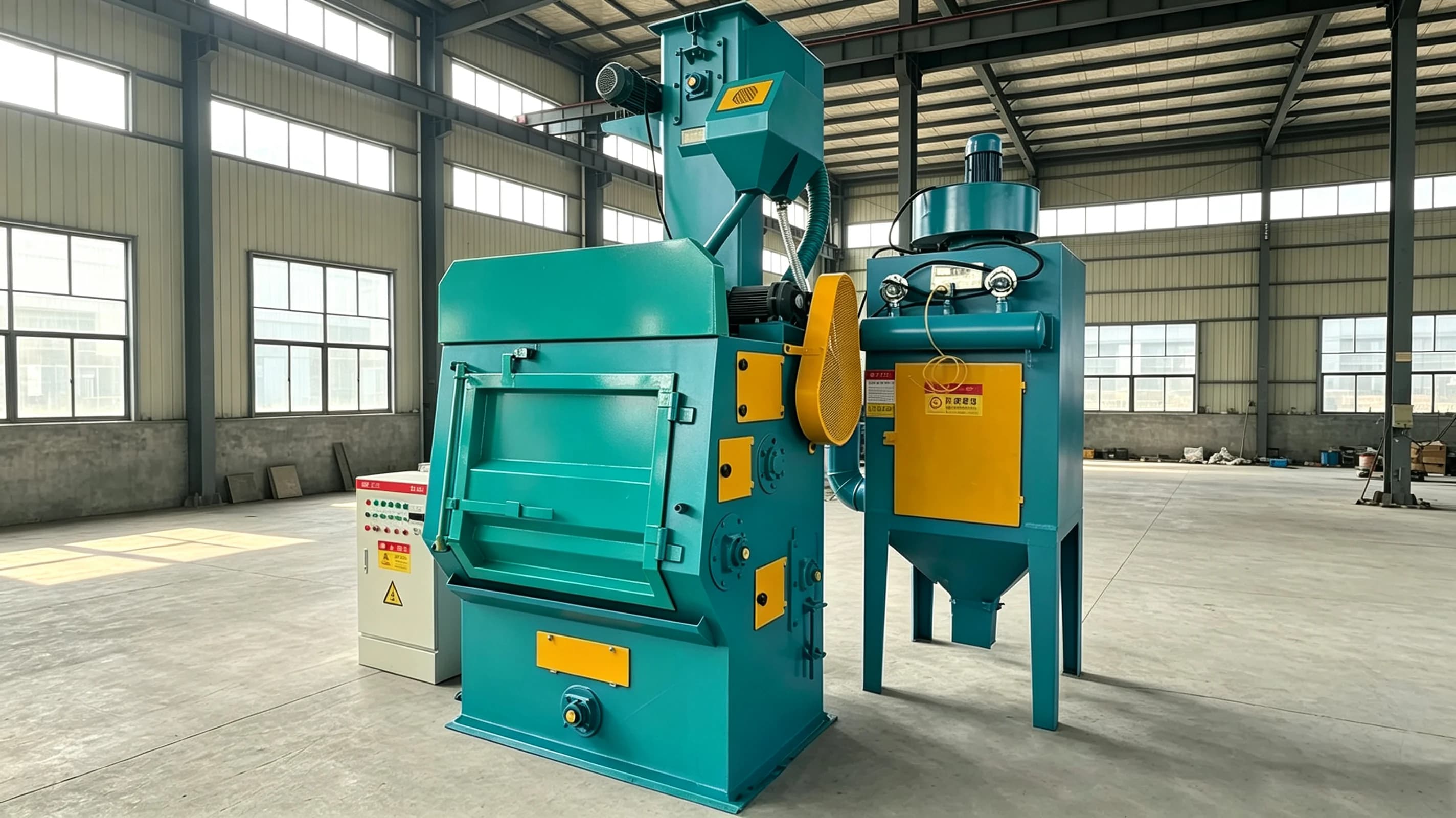
Tumblast Shot Blasting Machine
Batch cleaning for small castings, forgings and heat-treated parts.
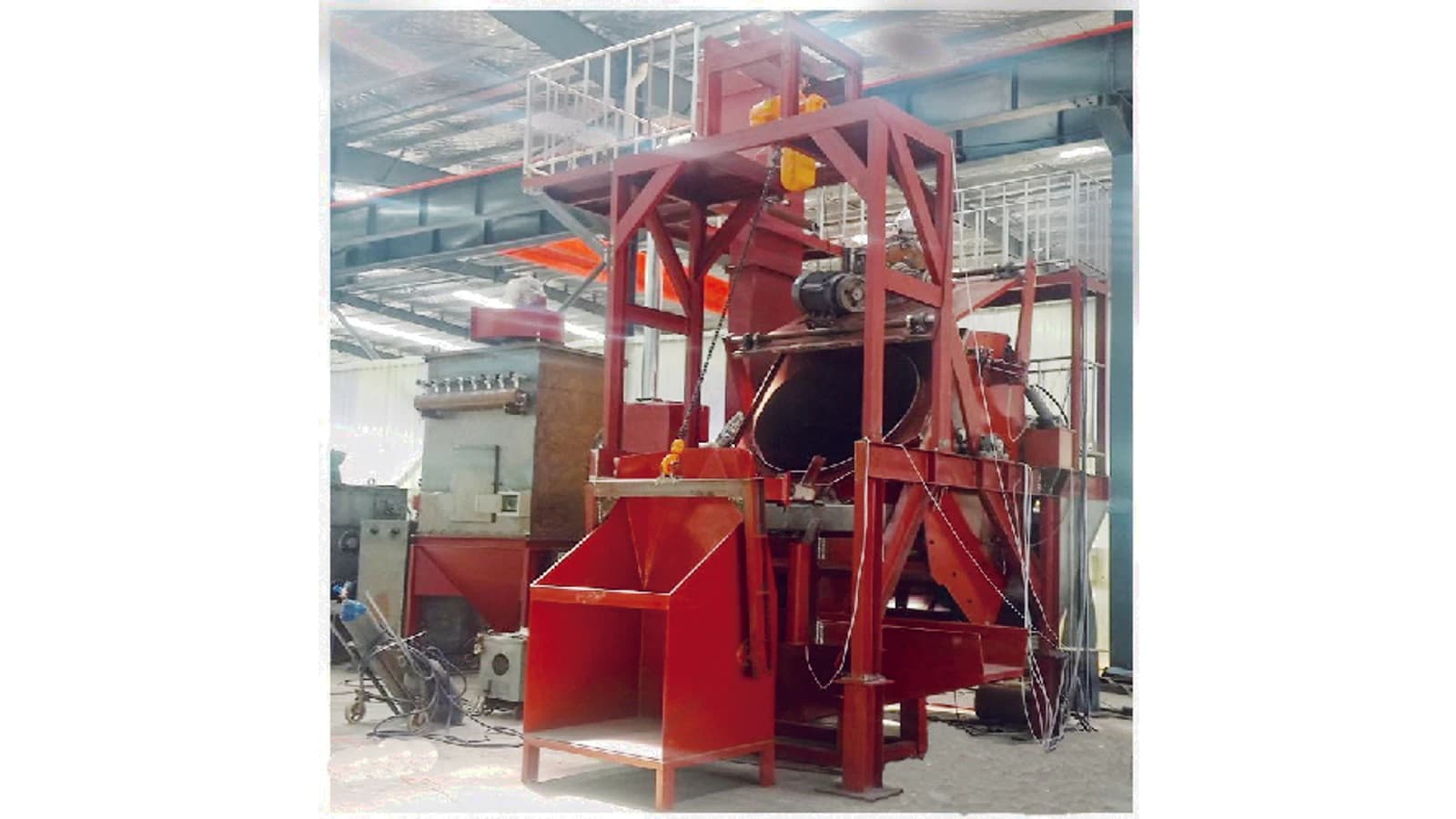
Inclined Drum Type Shot Blasting Machine
Uniform batch cleaning for thin, small and irregular workpieces.
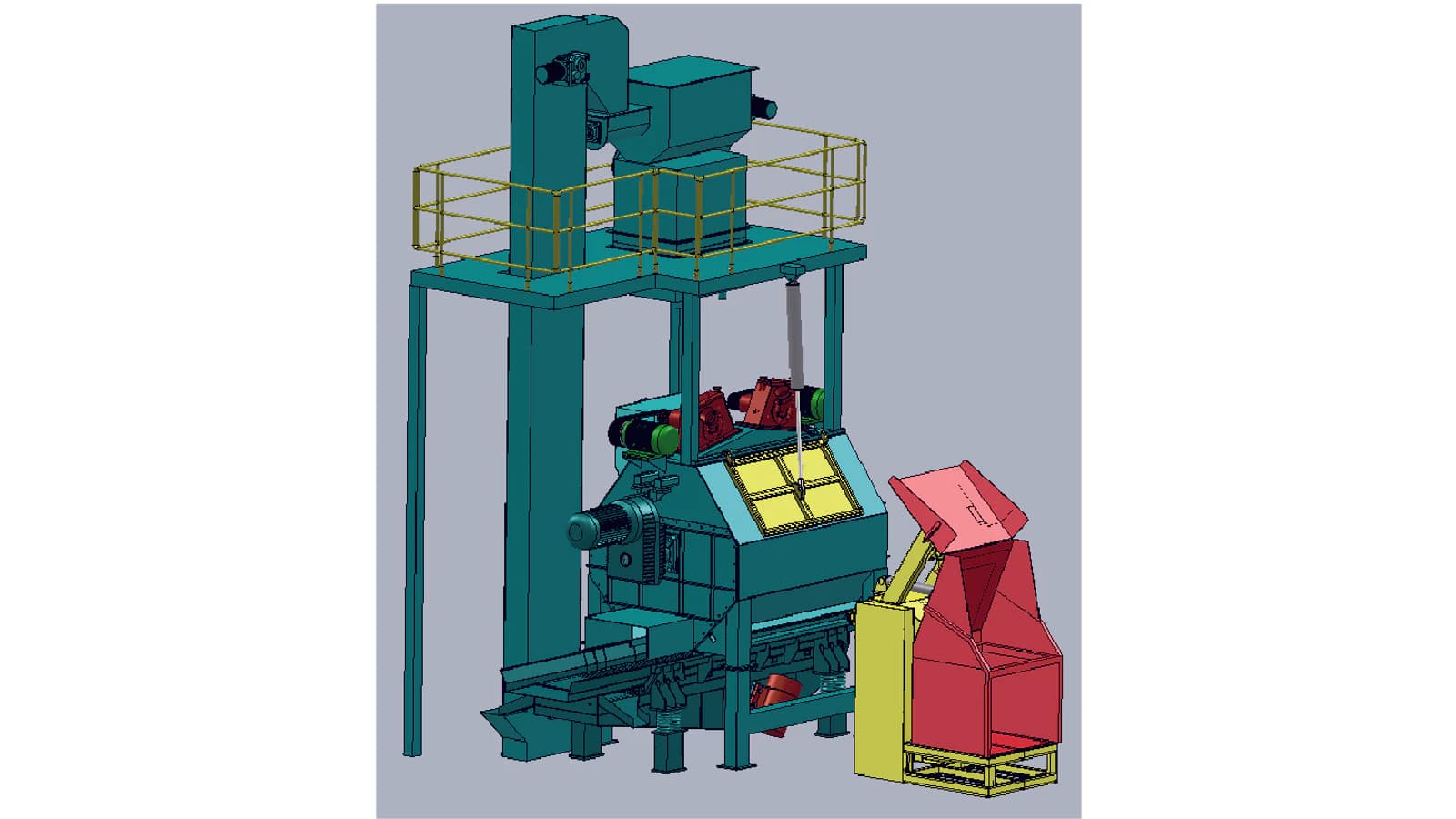
QBC Series Multi-Angle Swing Bed Shot Blasting Machine
Multi-angle swing-bed cleaning for small castings, forgings and stampings.
Buyer Questions
Frequently Asked Questions
Answers to common questions about shot blasting machine types, selection, abrasive media and maintenance.
About Shot Blasting Machines
What is a shot blasting machine?
A shot blasting machine is equipment that uses a high-speed rotating blast wheel to propel abrasive media (steel shots, steel grit, etc.) onto workpiece surfaces at high velocity. The impact of the abrasive cleans or strengthens the surface. It is widely used in casting cleaning, forging descaling, steel pretreatment and surface strengthening processes.
What is the difference between shot blasting and sandblasting?
Shot blasting uses mechanical force (a rotating impeller) to propel abrasives — high efficiency, ideal for batch processing. Sandblasting uses compressed air to blow abrasives — flexible, suitable for complex shapes and fine finishing. In short: shot blasting for high-volume work, sandblasting for detailed work.
What are the main types of shot blasting machines?
Common types include: tumble belt (small-to-medium batch castings/forgings), crawler-type (high-volume small parts), hook-type (large/medium workpieces), through-feed (continuous profiles/plates), table-type (delicate parts prone to collision) and monorail (high-volume continuous production lines).
Selection & Performance
How do I select the right type of shot blasting machine?
Selection is based on: workpiece size and weight, shape complexity, batch volume, cleaning quality requirements (cleanliness and roughness grade) and production rhythm. Our technical team provides free selection consultation based on your specific workpieces.
What is the capacity range of shot blasting machines?
Our products cover a full range: tumble/crawler-type machines handle batches from 50kg to 2 tons; through-feed models handle profiles and plates from 100mm to 3,000mm in width; hook-type machines handle single workpieces from 50kg up to 20 tons. Specifications can be customized.
How is the cleaning efficiency of a shot blasting machine evaluated?
Cleaning efficiency is measured by pieces processed per unit time, surface cleanliness grade (ISO 8501 or Sa2.5), surface roughness (Ra/Rz) and blasting time per piece. Efficiency is affected by wheel power, shot velocity, shot size, impact angle and workpiece positioning.
How is the dust collection system configured for a shot blasting machine?
A two-stage dust collection system is used: the primary stage uses a settling chamber or cyclone for large particles; the secondary stage uses a high-efficiency baghouse filter with emission concentration ≤10mg/Nm³, exceeding environmental standards. Air volume is matched to the machine model, maintaining slight negative pressure to prevent dust leakage.
Abrasive Media
What types of abrasive media are used?
Commonly used abrasives include cast steel shot (medium hardness, long life, most common), stainless steel shot (for non-ferrous metals and stainless steel, to avoid iron contamination), cut wire shot (angular, strong cleaning) and steel grit (sharp-edged, ideal for profiling and deep cleaning). Size typically ranges from 0.3mm to 2.0mm.
What is the consumption rate of steel shots and when should they be replaced?
Reference consumption: casting cleaning uses approximately 50–150g per ton of castings; steel descaling uses approximately 100–300g per ton of steel. Replace or replenish when cleaning time extends noticeably, surface roughness fails to meet specifications, or fine particles become excessive. Regular sieve analysis is recommended — replenish on a "small amount, frequent" basis.
Maintenance & Troubleshooting
What are the key points for daily maintenance?
Daily essentials: inspect the blast wheel, control wheel and directional sleeve for wear after each shutdown; clean dust collector accumulation; check the circulation system for blockages; check seals to prevent shot leakage; monitor motor and bearing temperature rise and lubrication. A daily inspection checklist and preventive maintenance schedule are recommended.
How often should the blast wheel blades be replaced?
Standard cast steel blades have a service life of approximately 500–1,500 hours under normal conditions. Replace when groove wear exceeds 1–2mm in depth or thickness is reduced by more than 50% of the original. Regular inspection and full-set replacement are recommended to maintain dynamic balance.
What are the common faults and troubleshooting methods?
| Fault Symptom | Possible Cause | Troubleshooting |
|---|---|---|
| Reduced cleaning efficiency | Worn or insufficient shots; worn blast wheel | Replenish or replace shots; inspect wear parts |
| Poor shot circulation | Separator or line clogged | Clean screens; clear lines |
| Poor dust collection | Filter bags clogged; cleaning system fault | Replace or clean bags; check pulse system |
| Abnormal vibration or noise | Uneven or worn blades; bearing damage | Replace blades as a set; inspect and replace bearings |
| Shot leakage | Worn or aged seals | Inspect and replace seals |
Purchasing & Service
Do you provide installation, commissioning and training services?
Yes. We offer turnkey services from foundation design guidance, installation and commissioning to operator training. Our after-sales engineers provide on-site guidance and comprehensive training on operation, maintenance and safety to ensure a fast production start-up.
What are the safety precautions during operation?
Key safety points: never open inspection doors while running (shots fly at high speed — extremely hazardous); do not perform maintenance until the blast wheel has fully stopped; dust collection must interlock with the main unit; operators must wear safety goggles, dust masks and earplugs; establish safety warning zones around the equipment.