These answers explain the selection process without assuming a fixed specification for every foundry.
What is a fully automatic static pressure molding line?+−
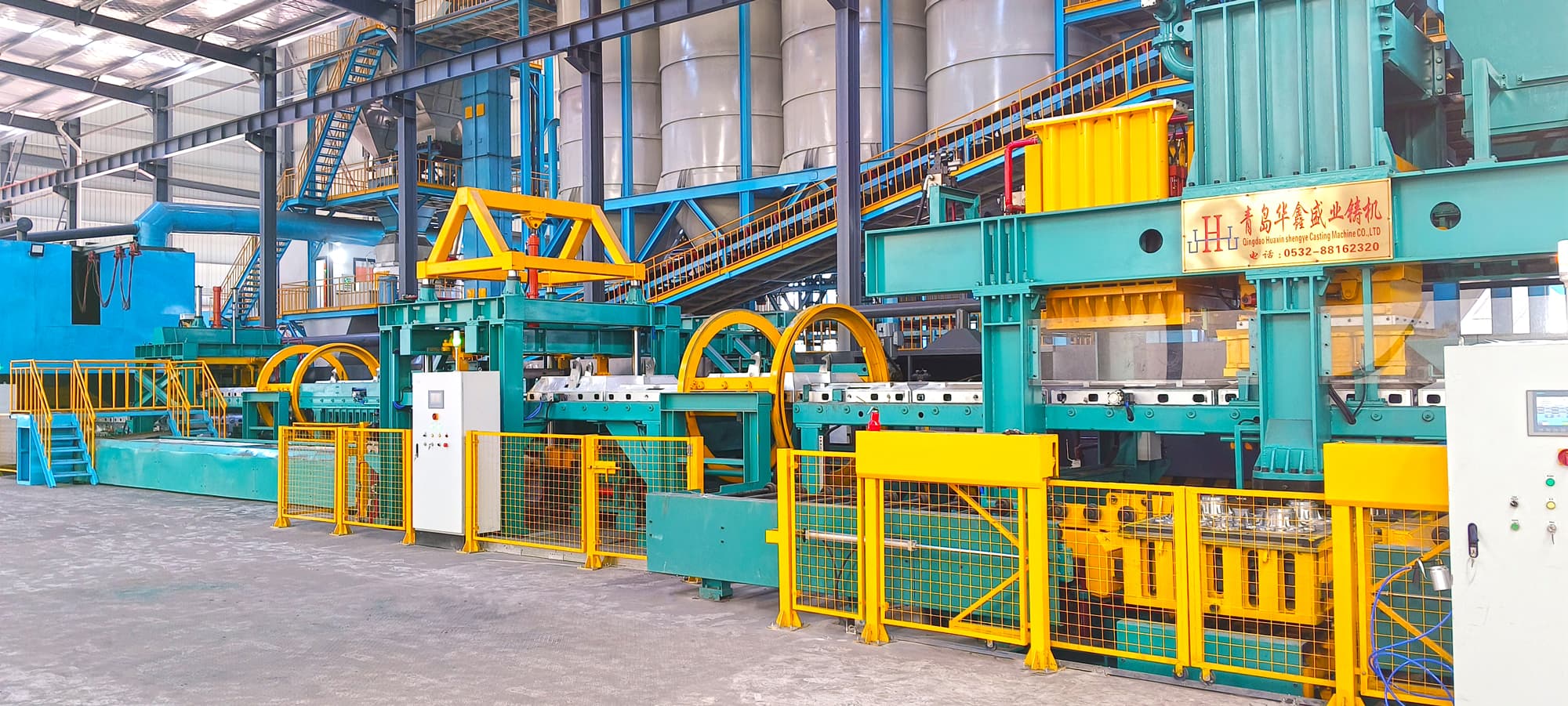
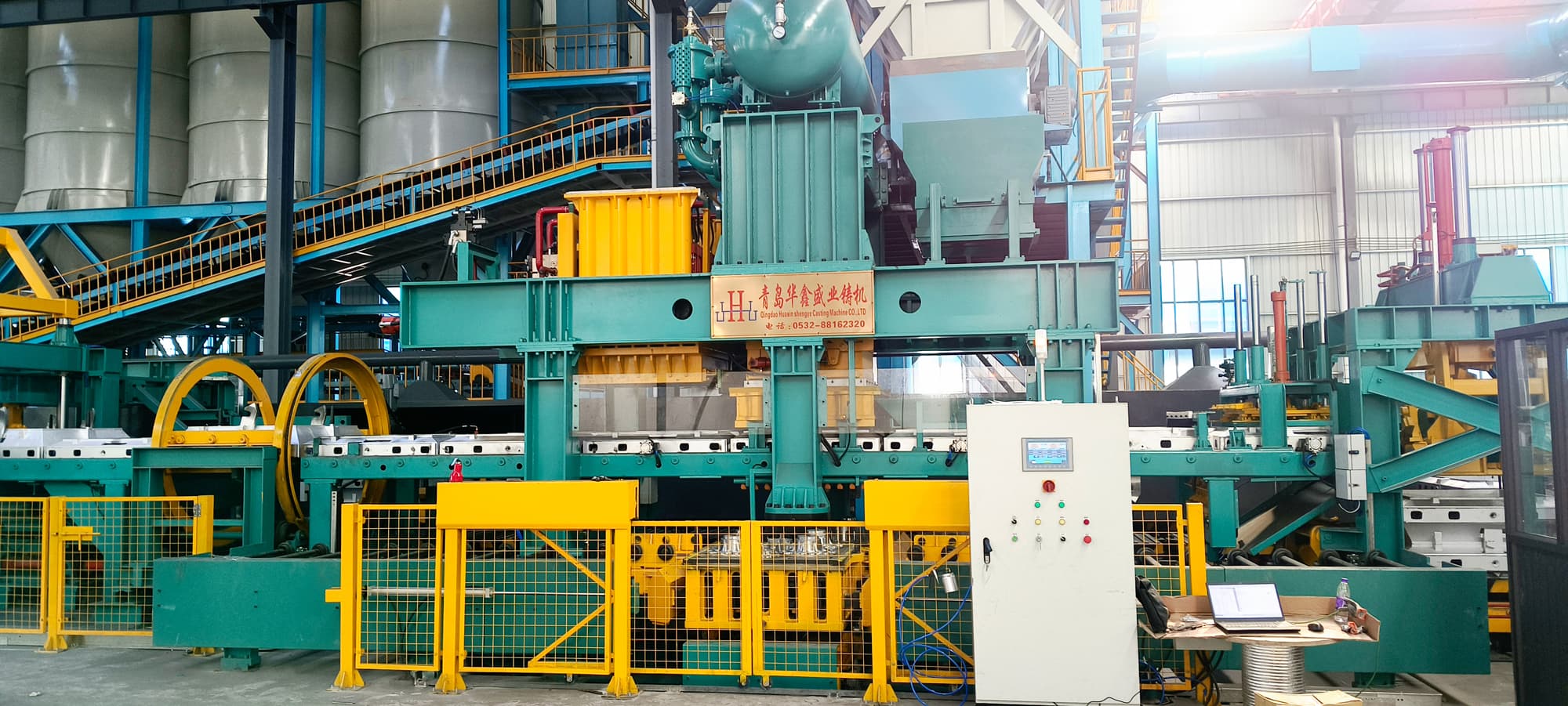
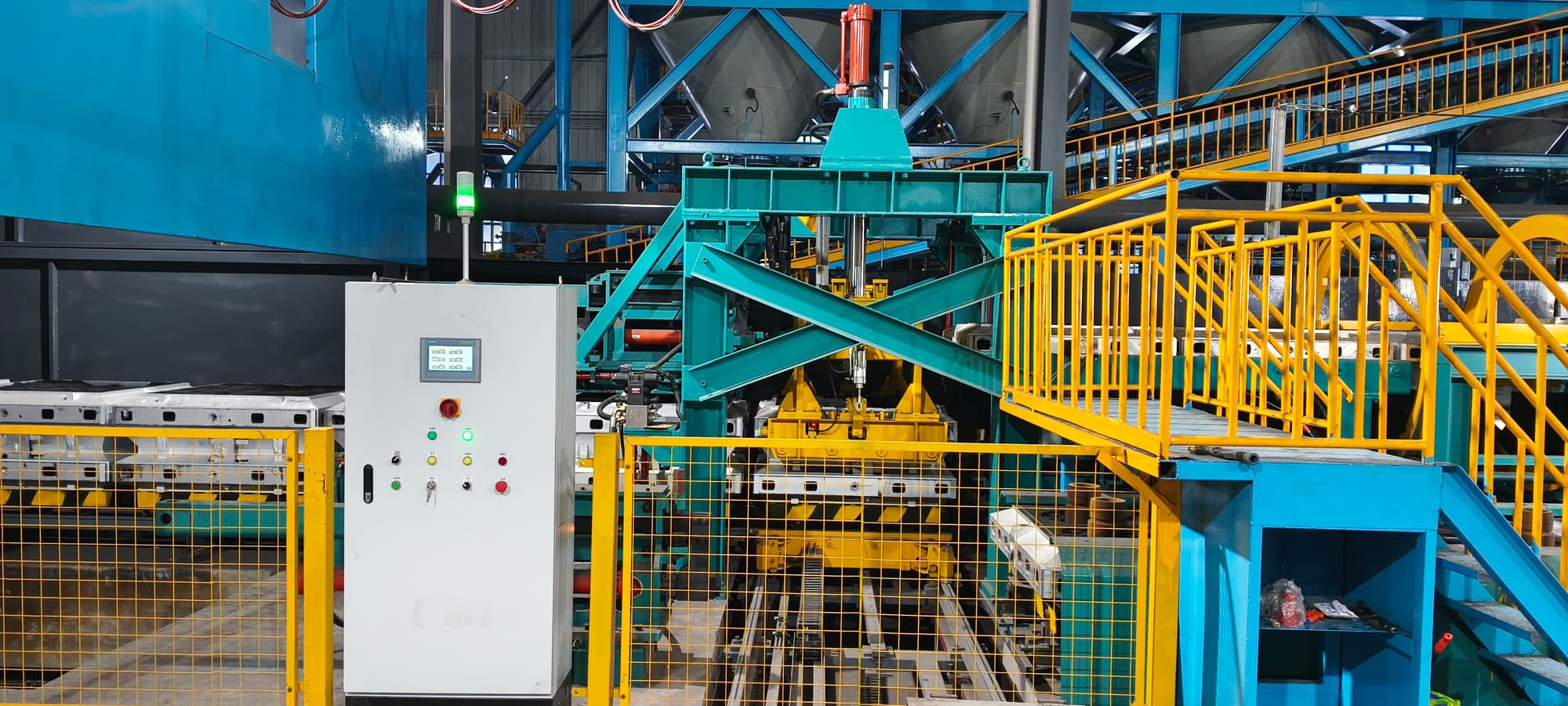
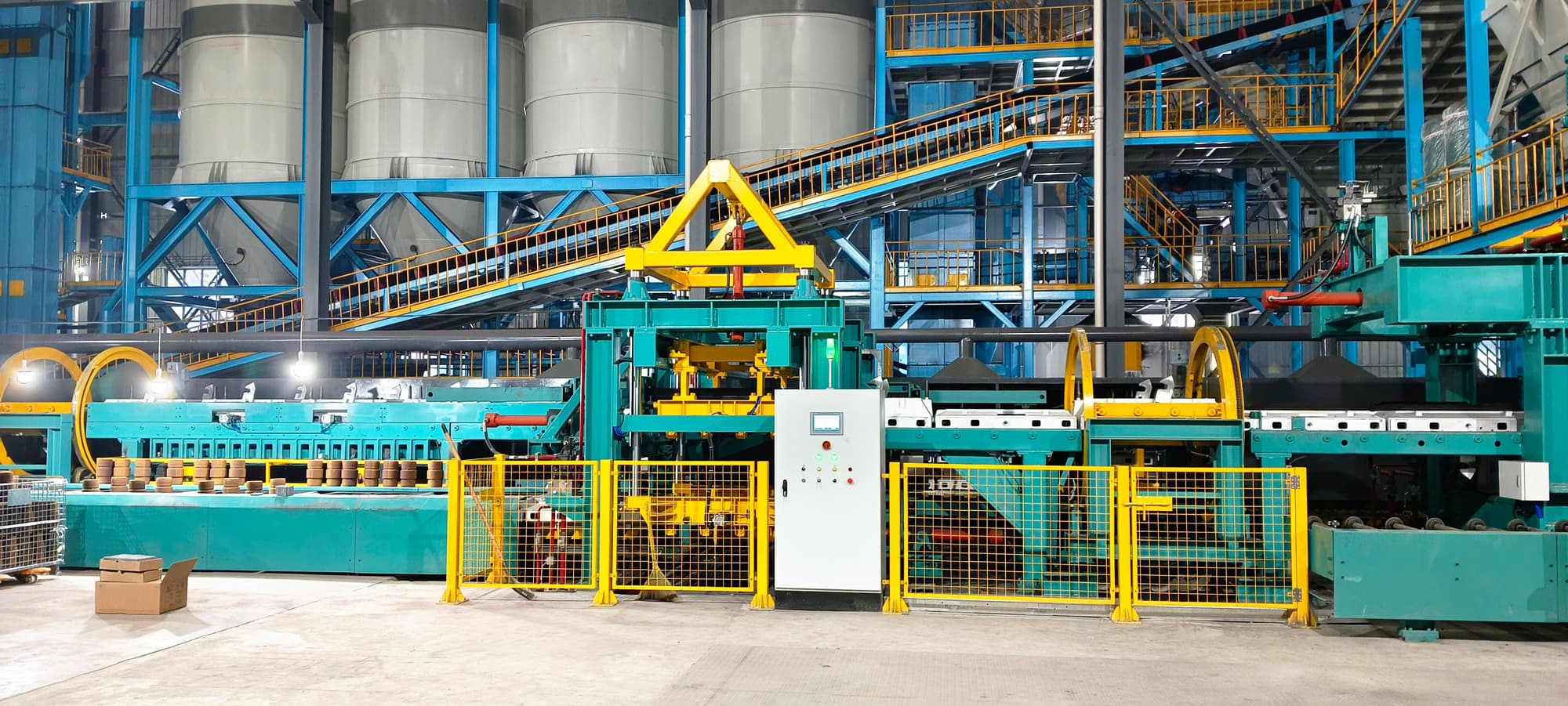
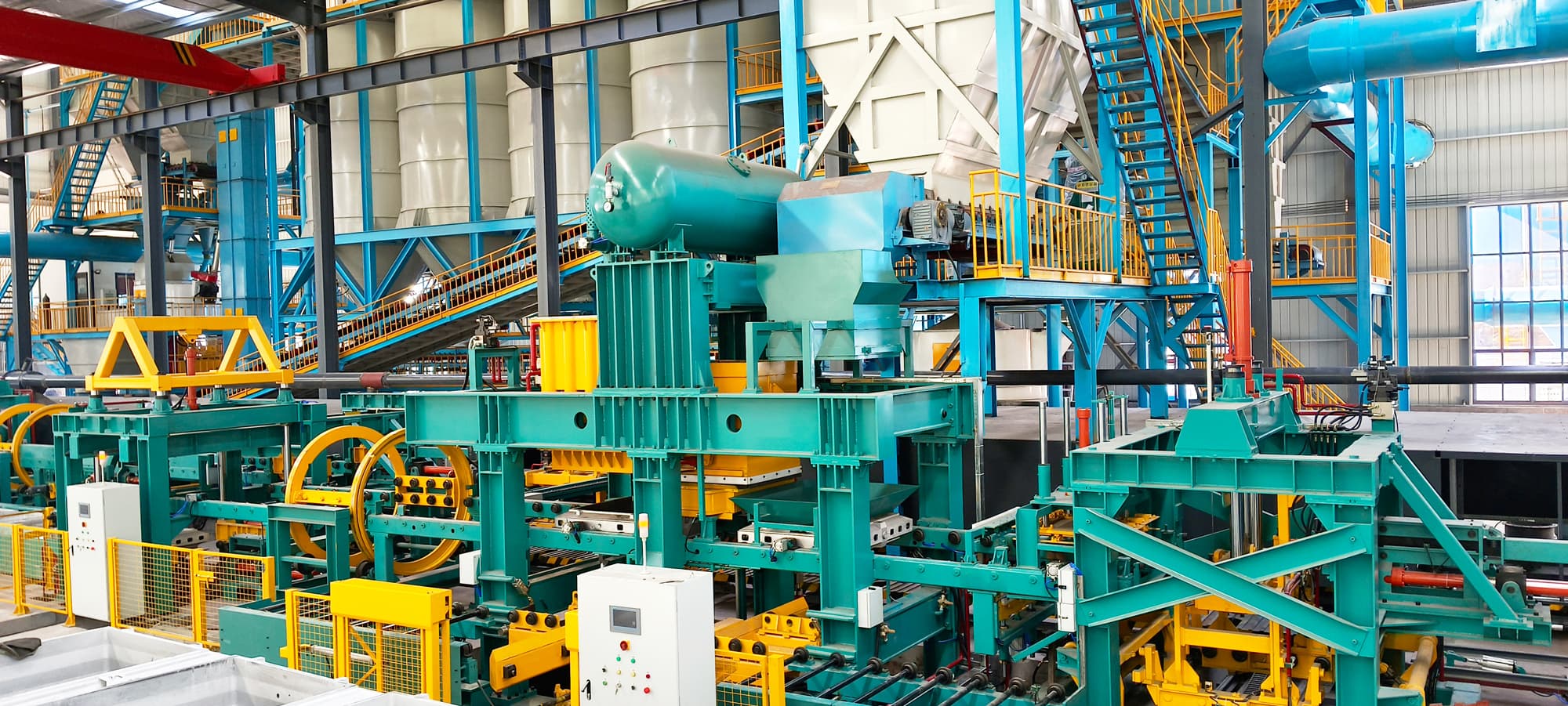
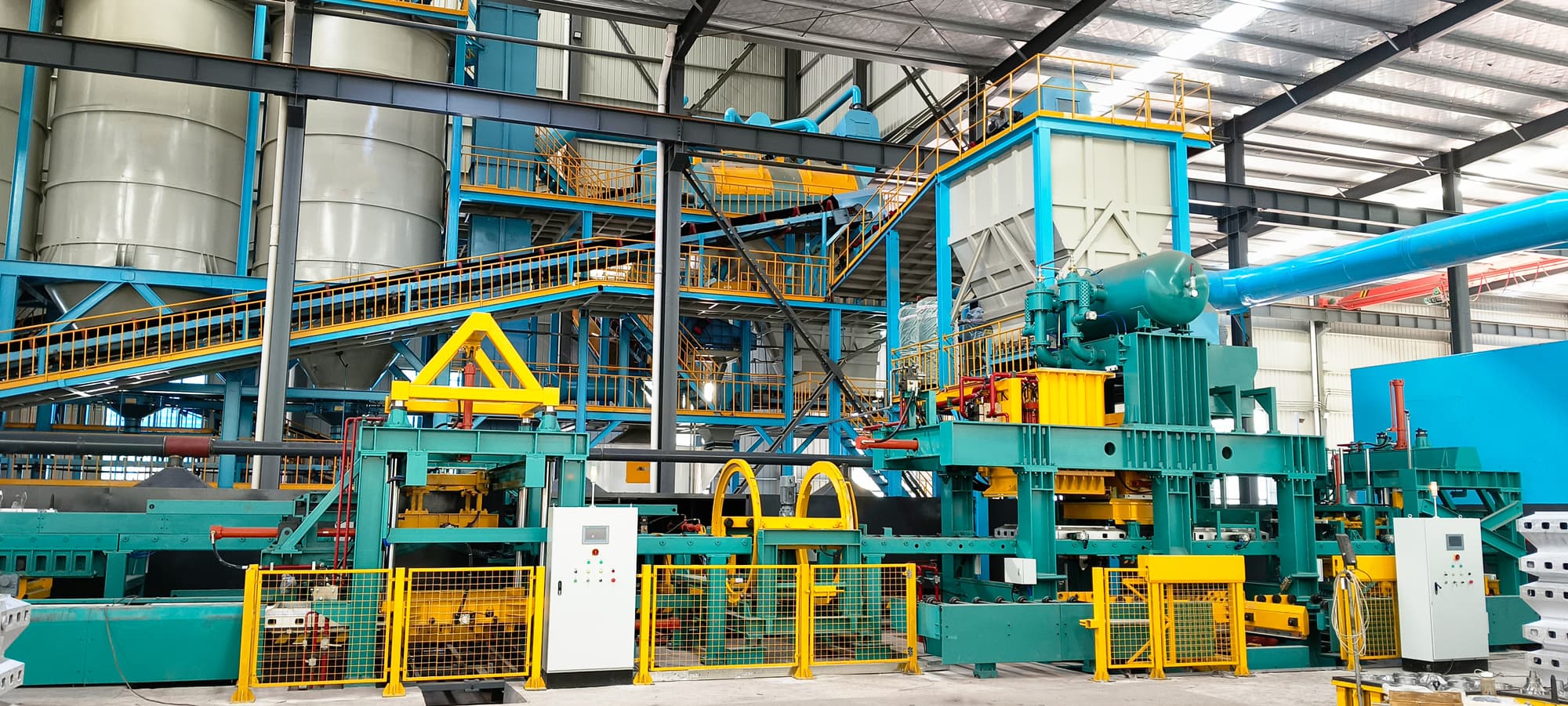
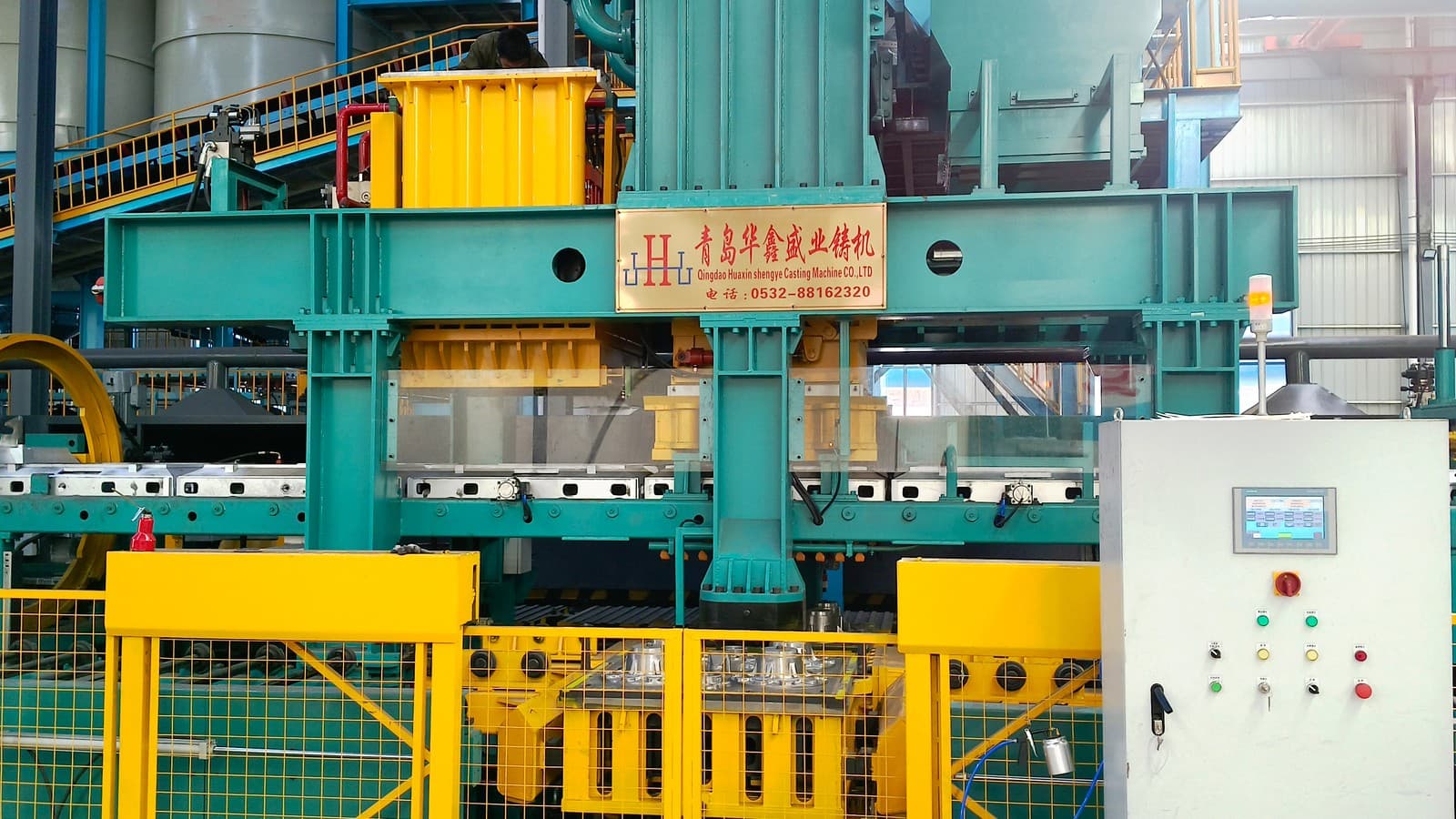
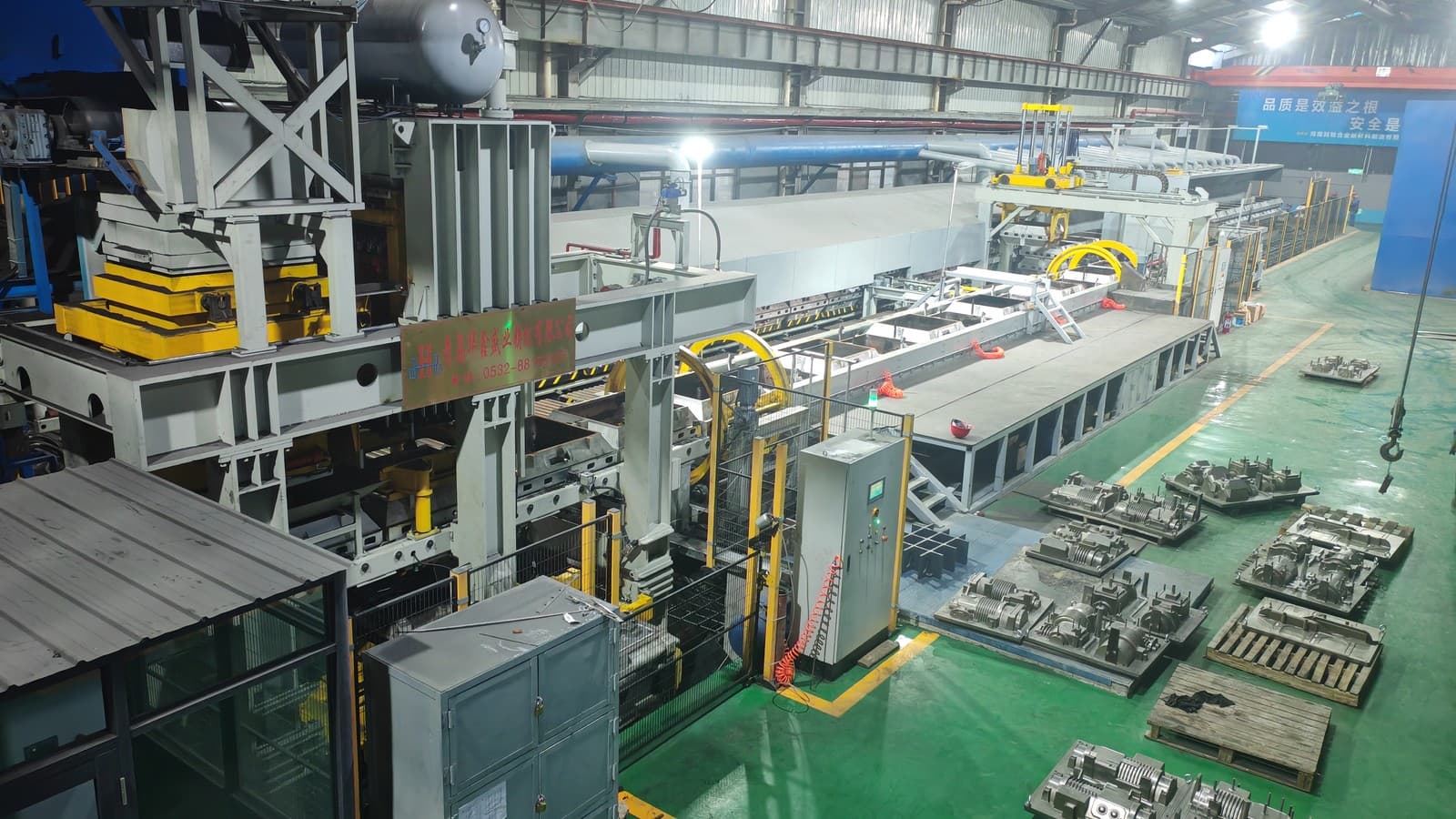
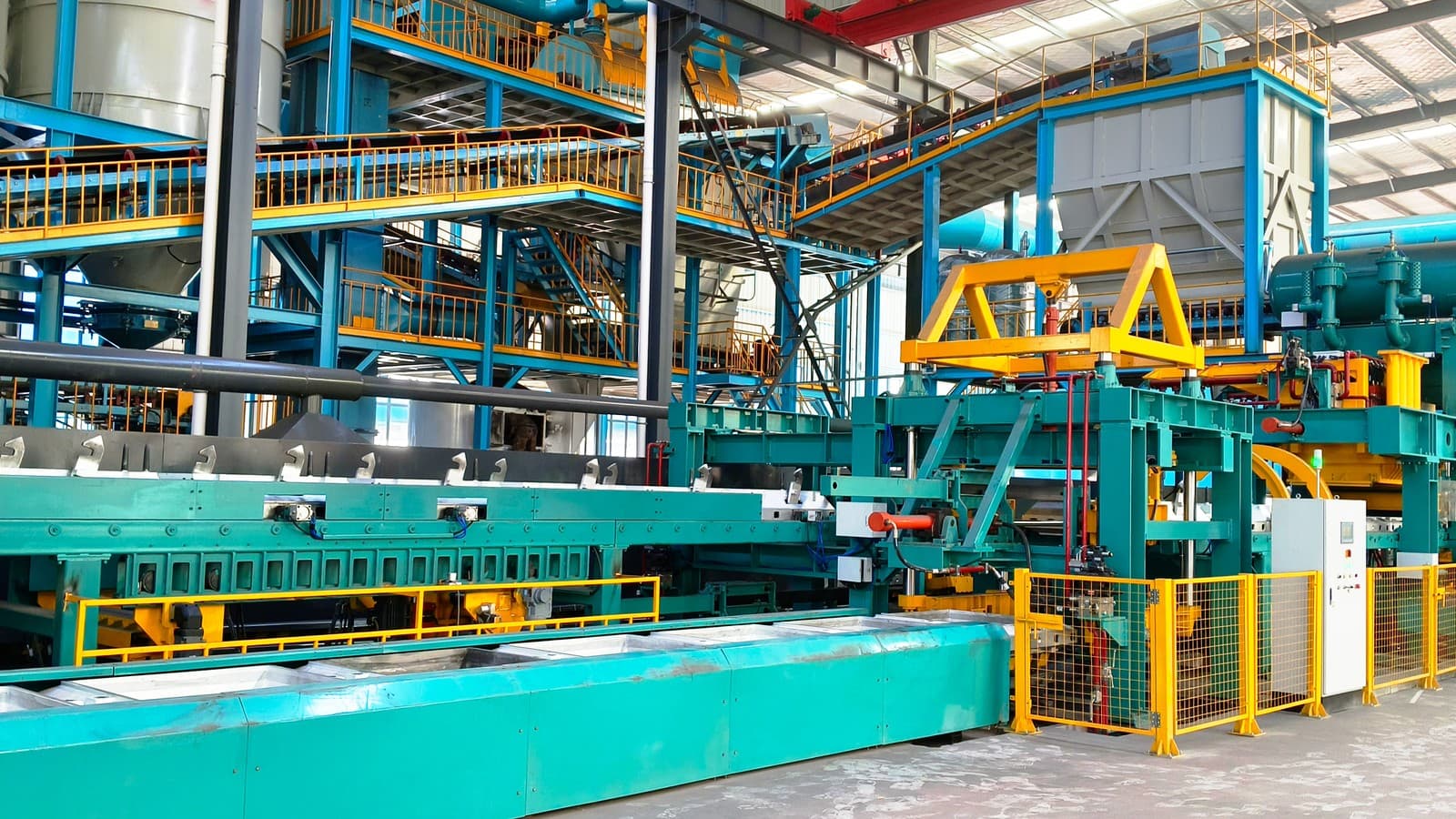
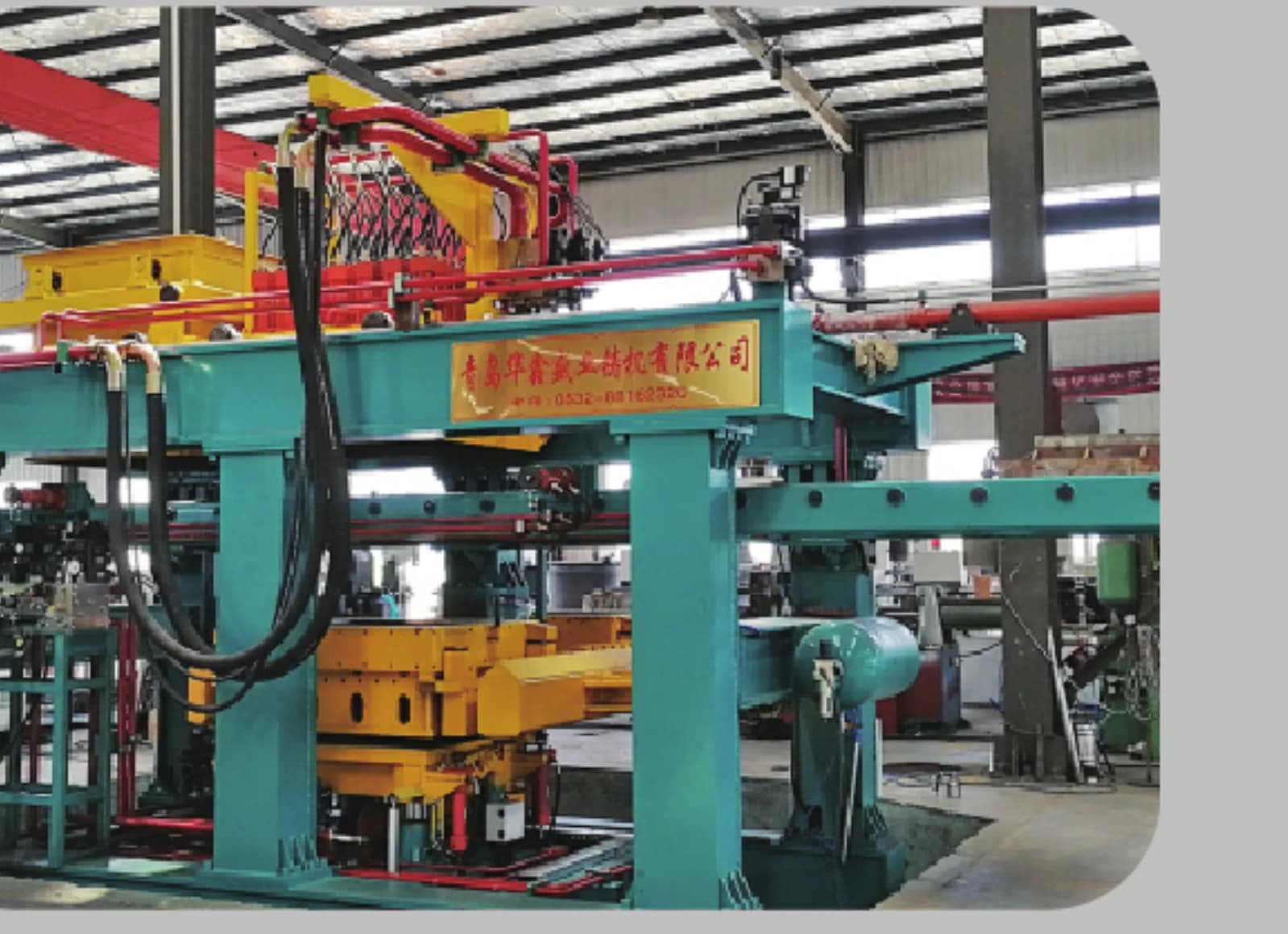
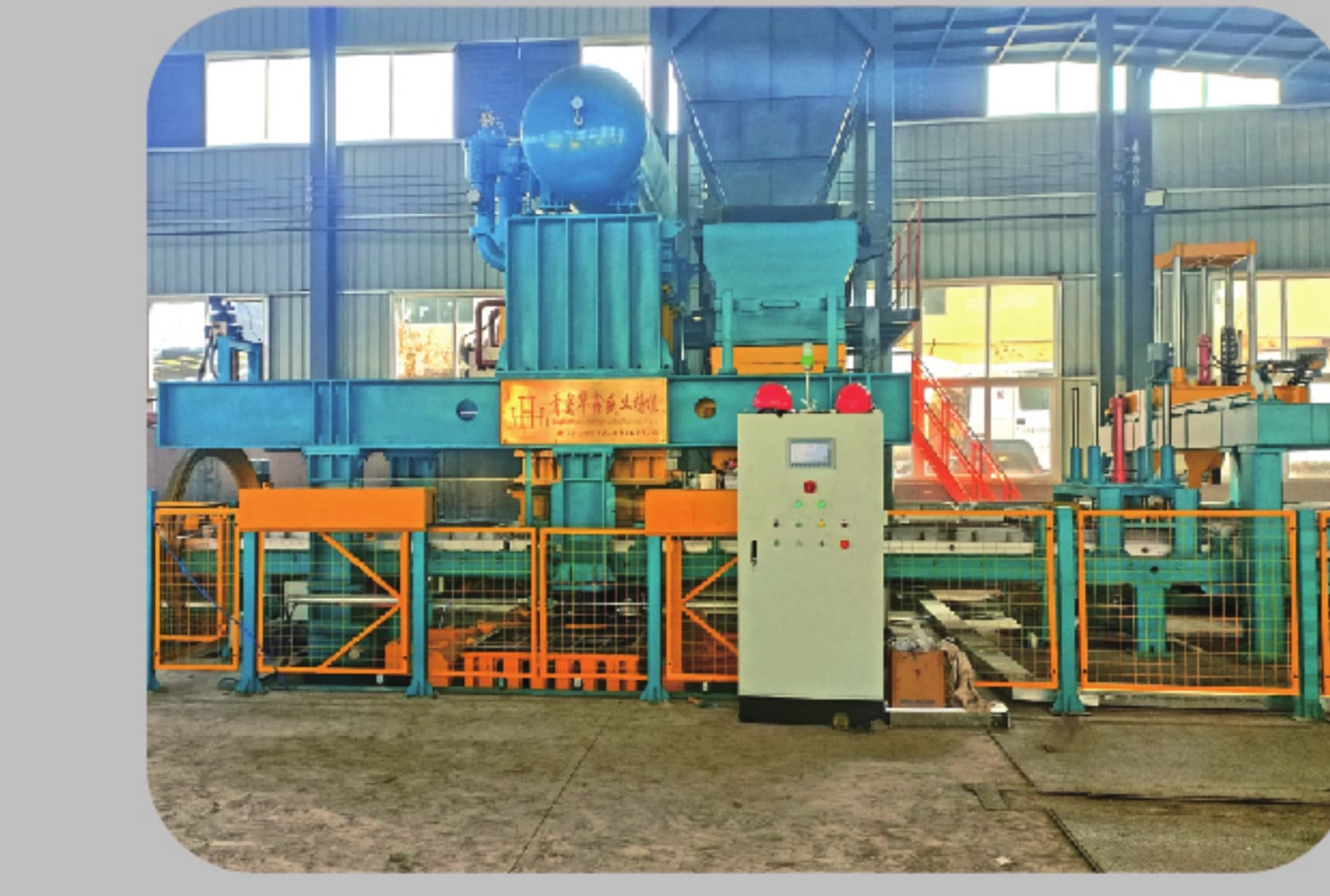
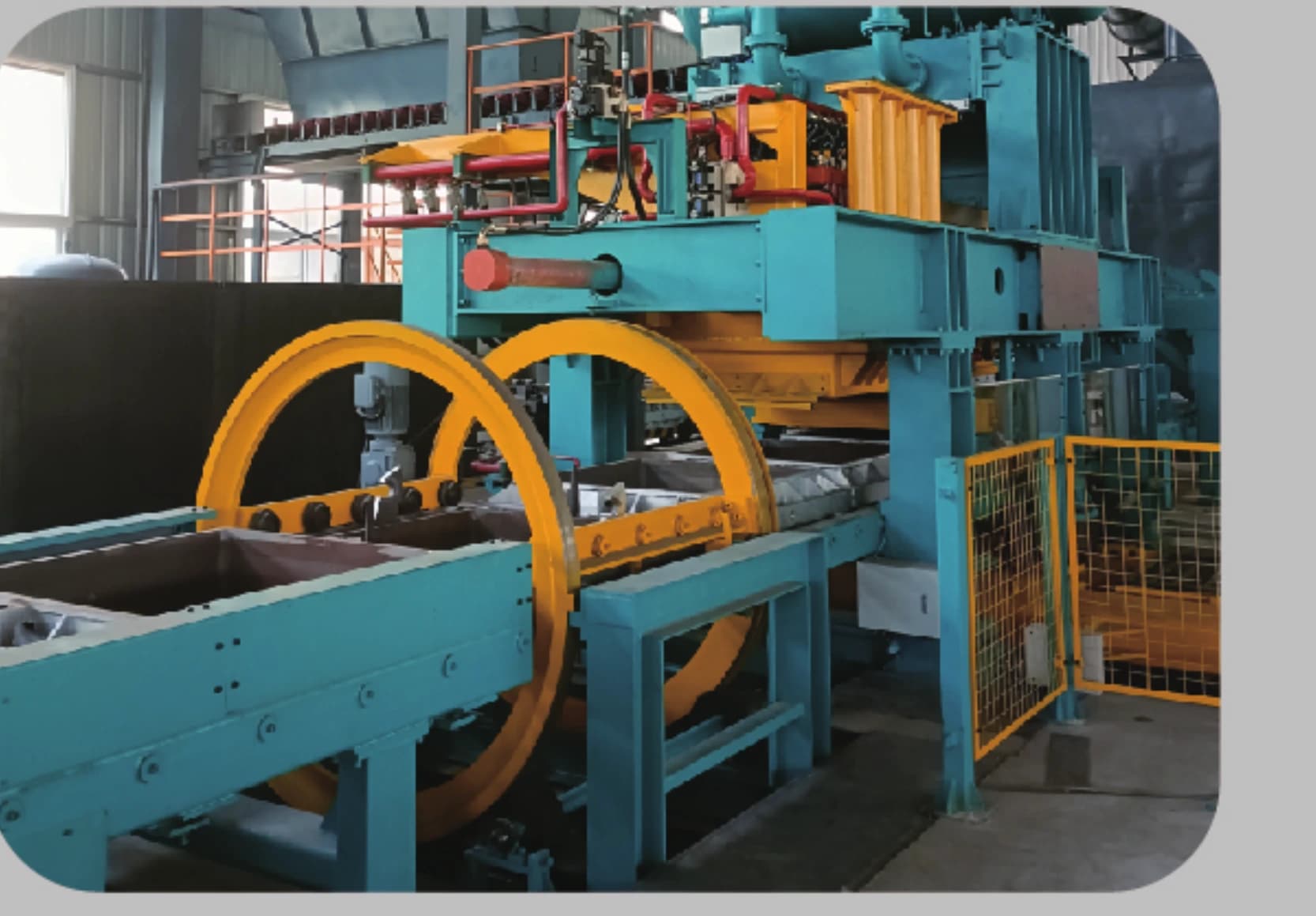
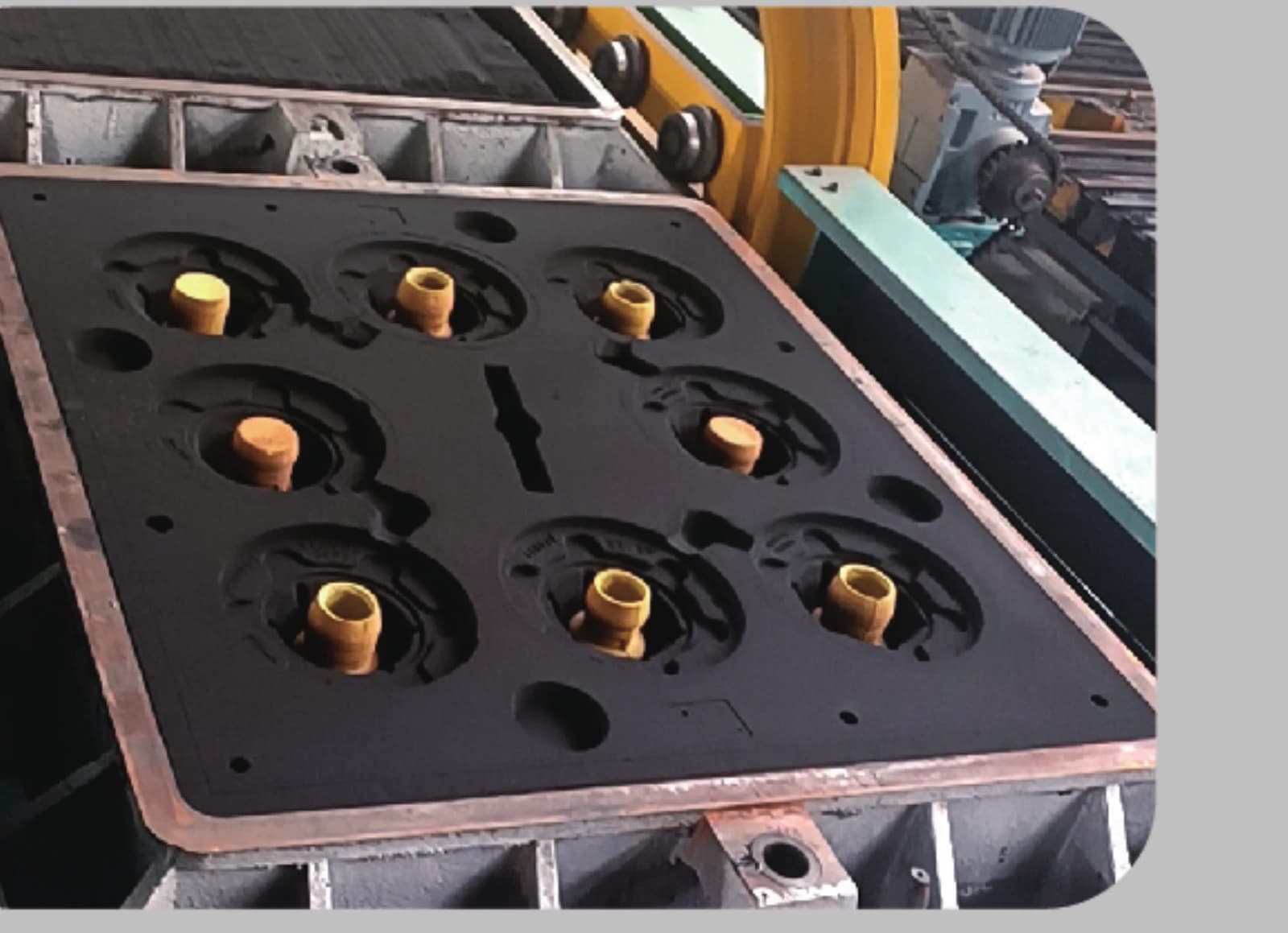
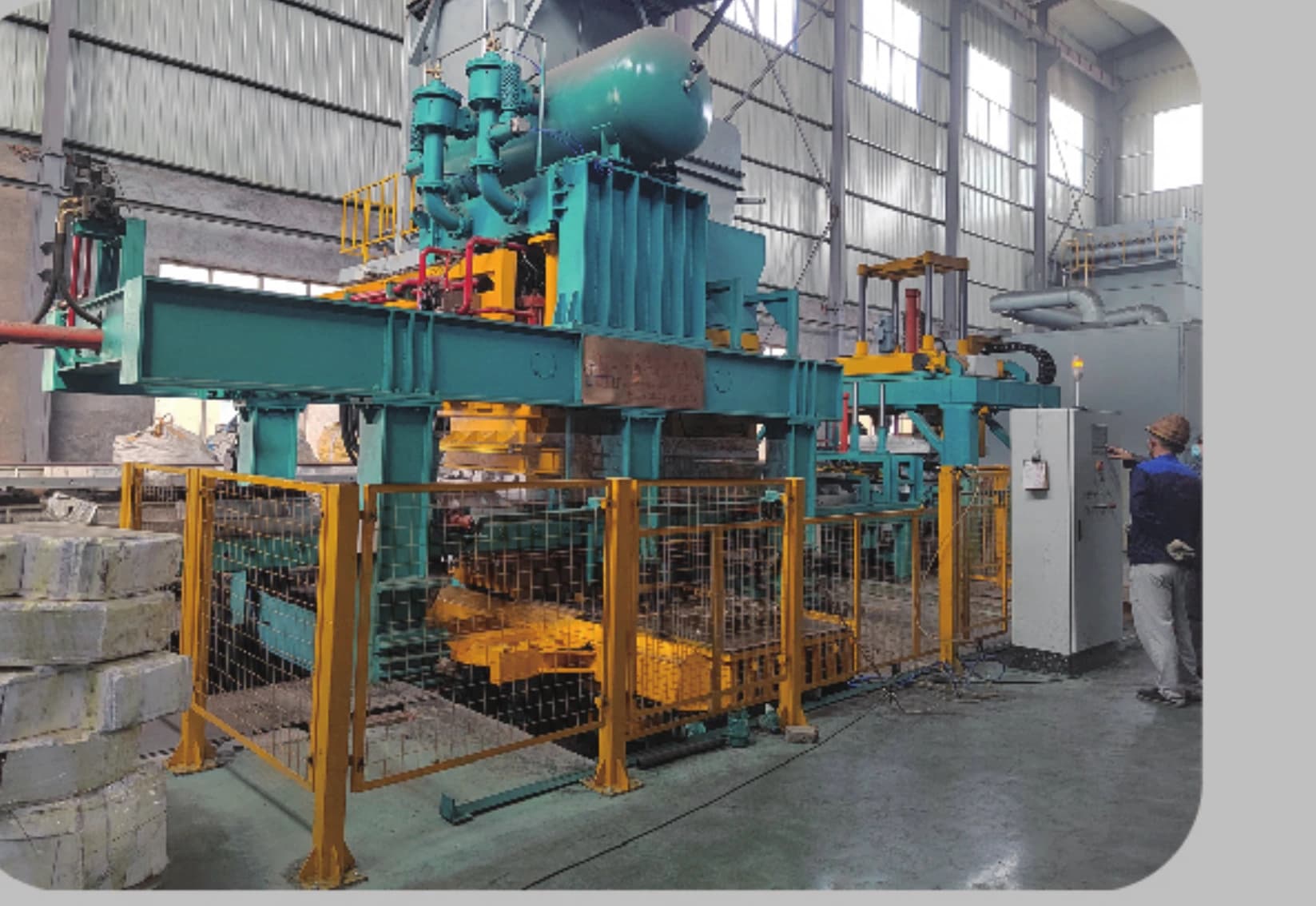
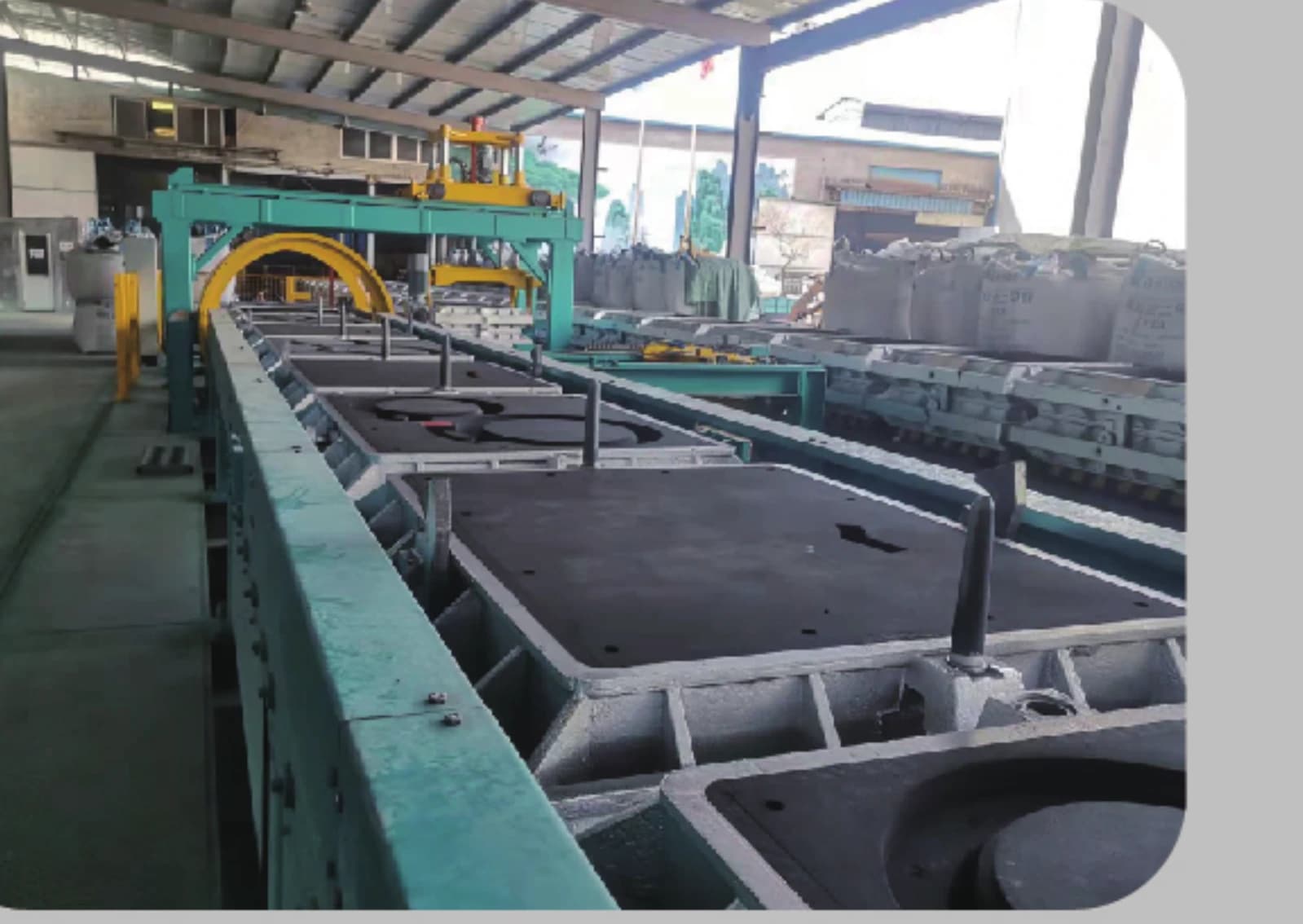
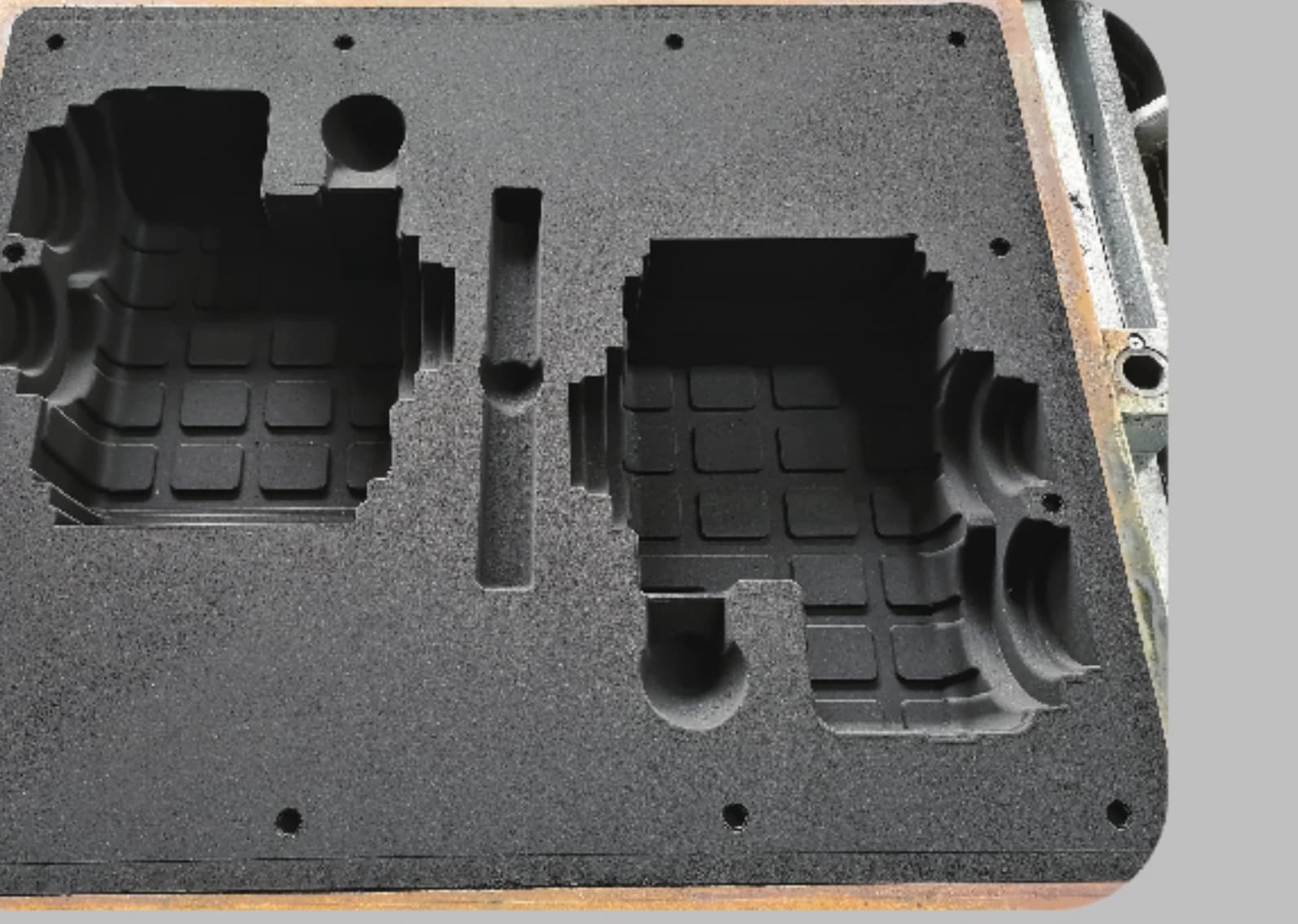
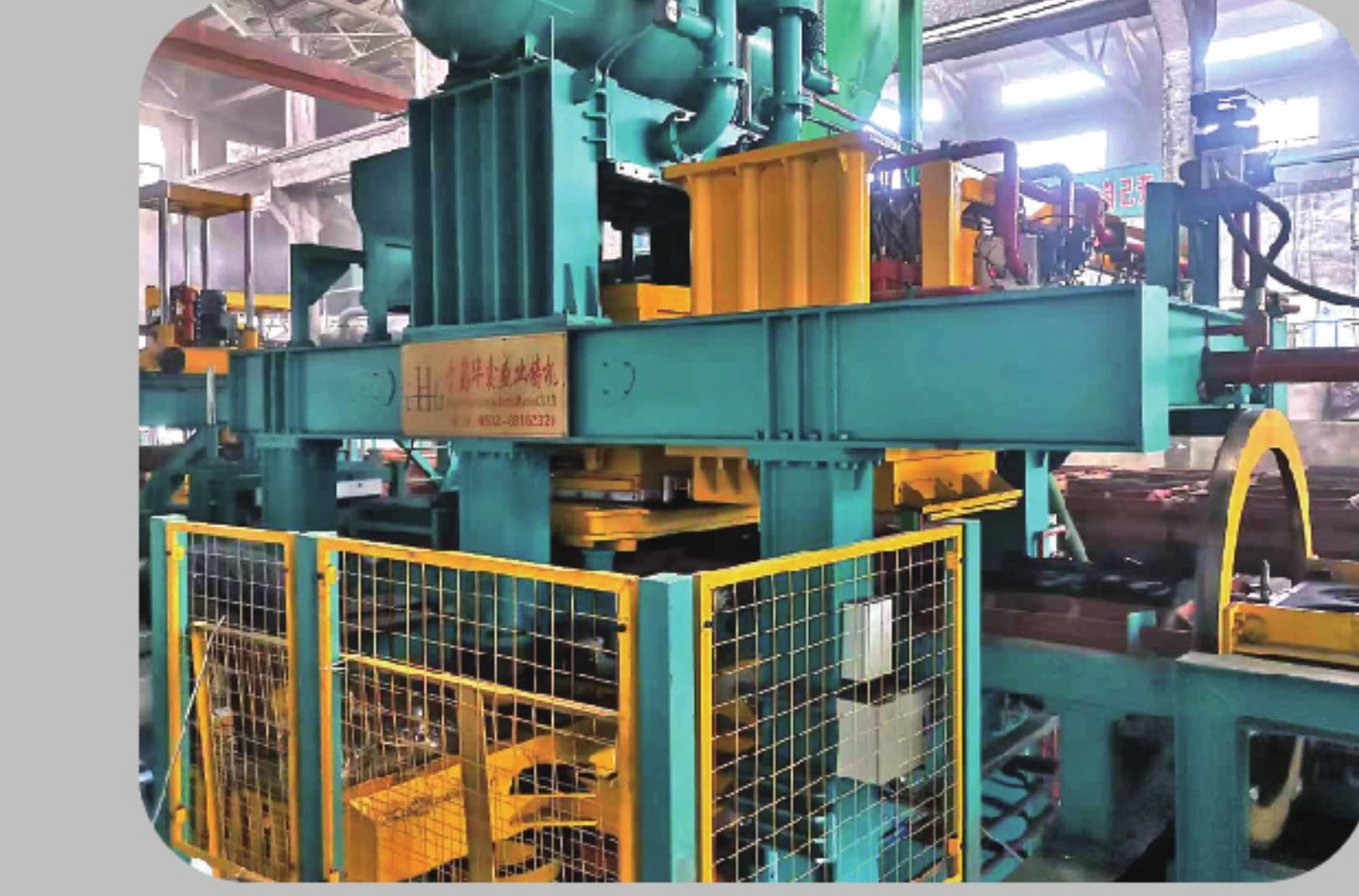
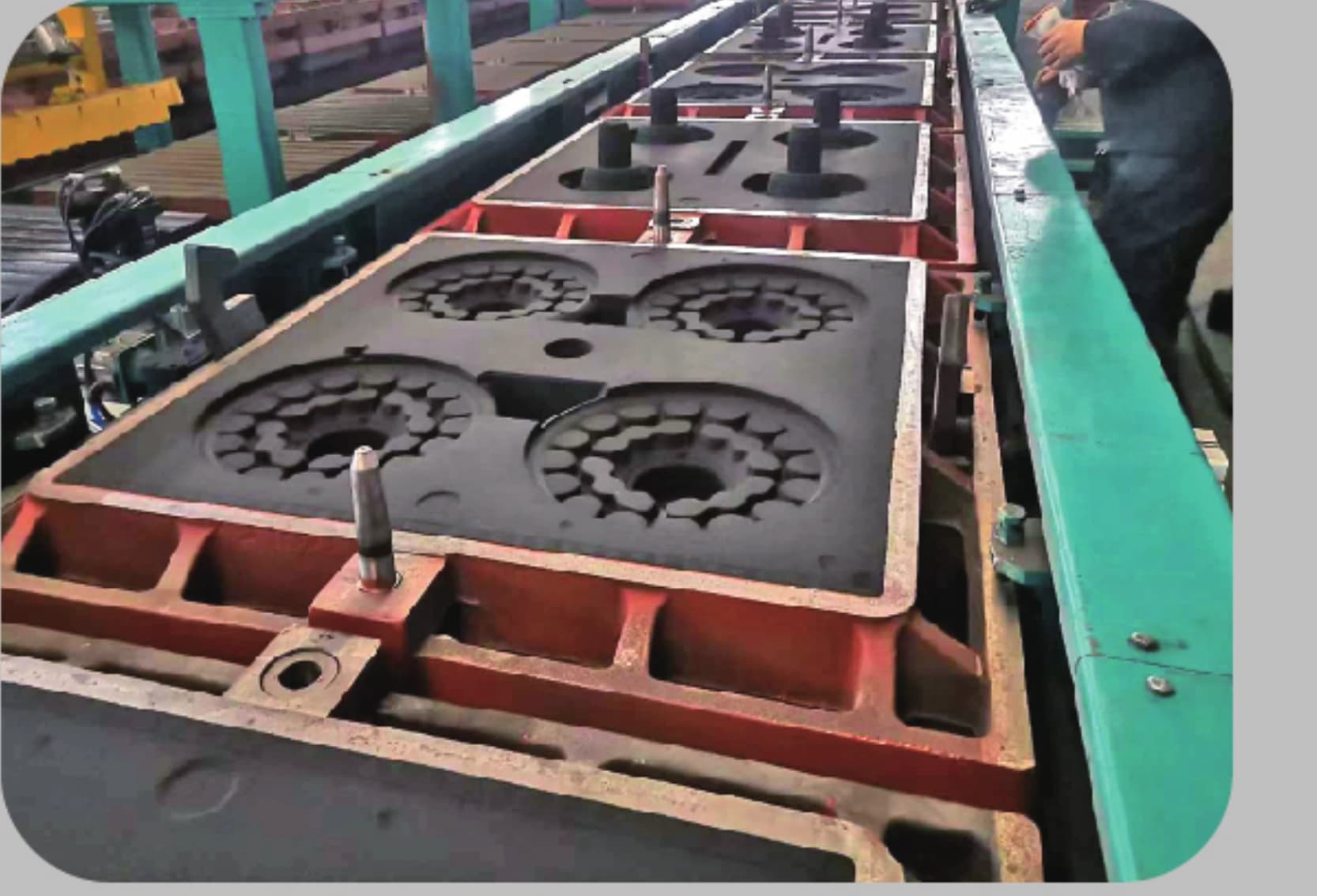
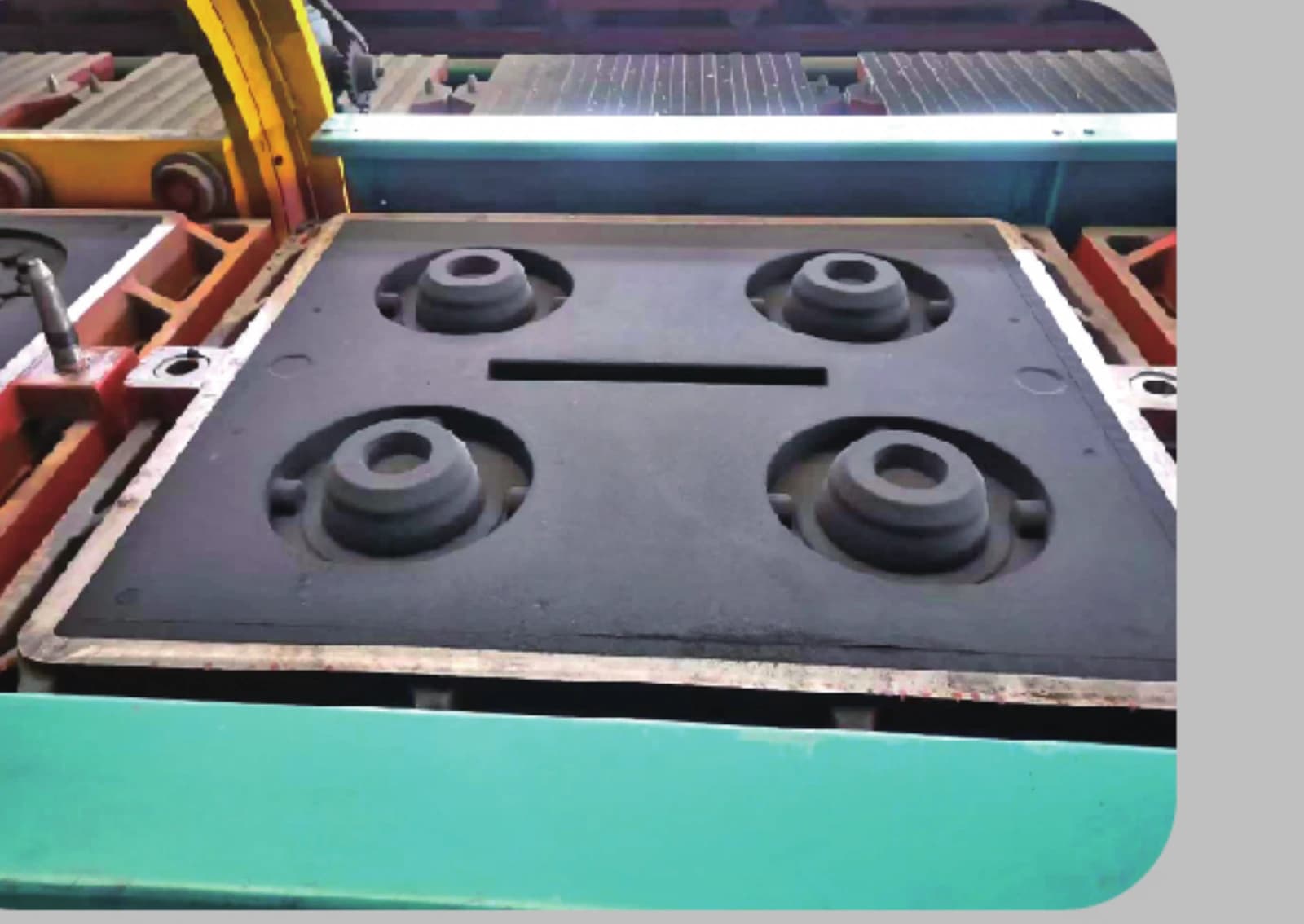
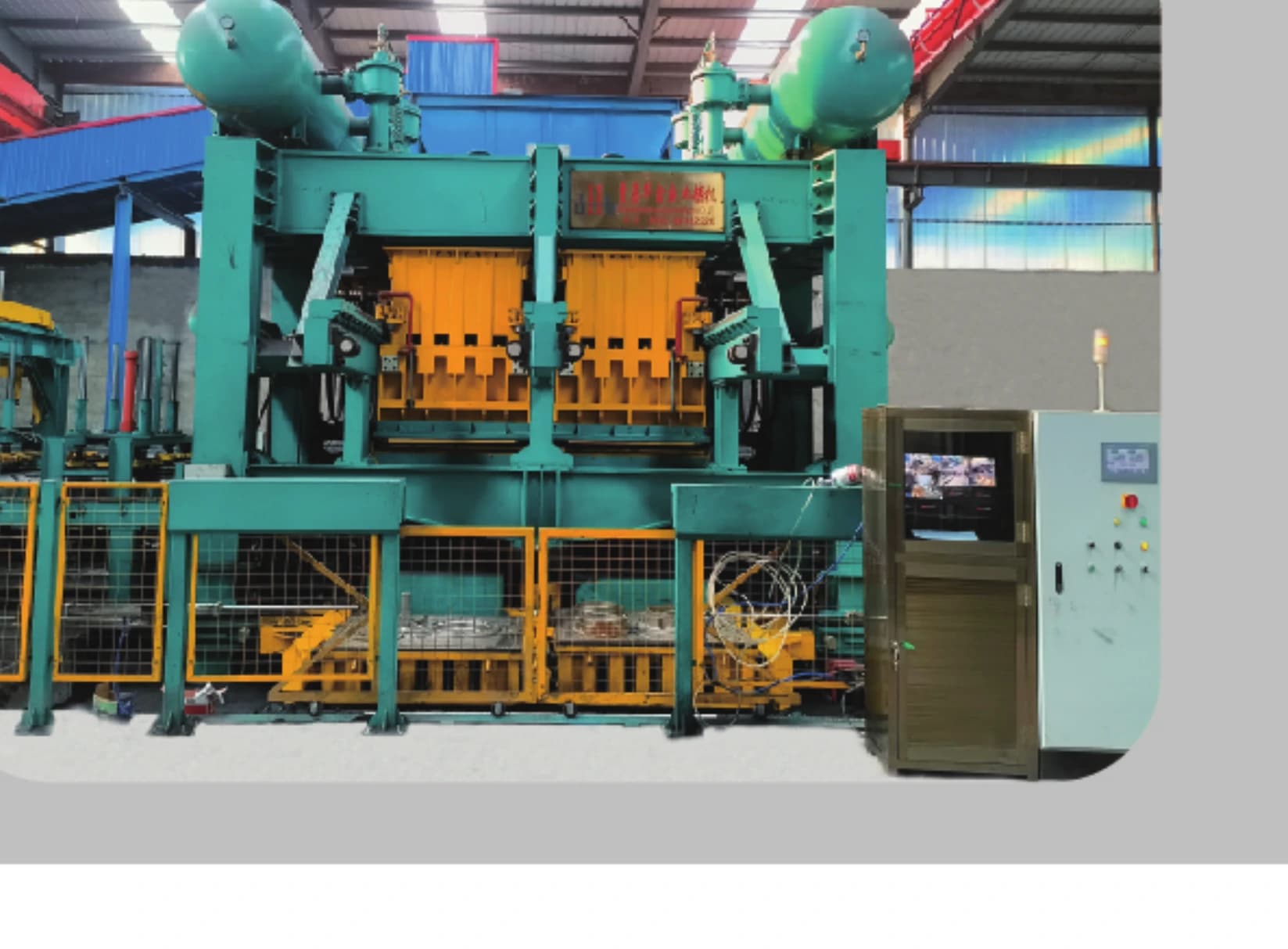
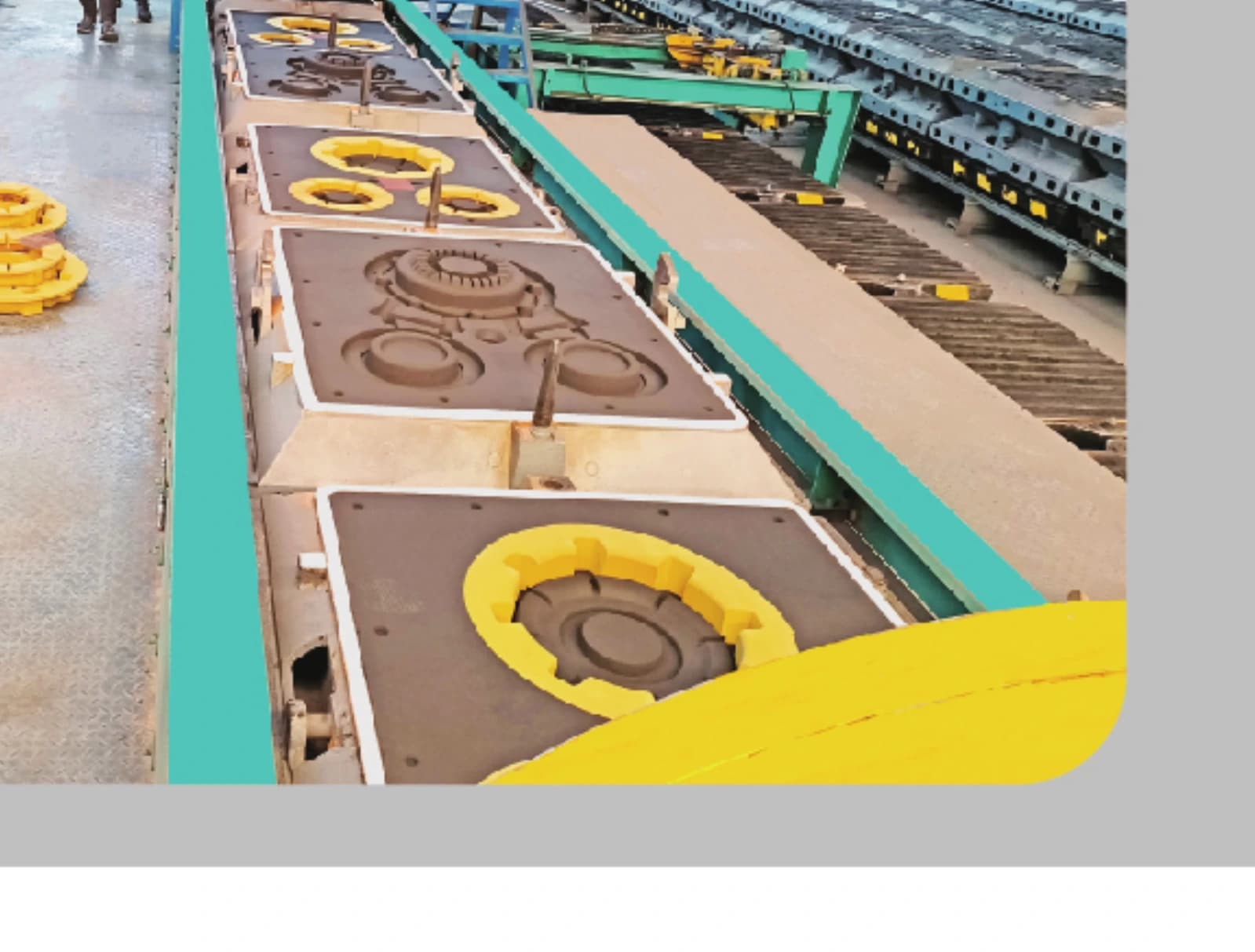
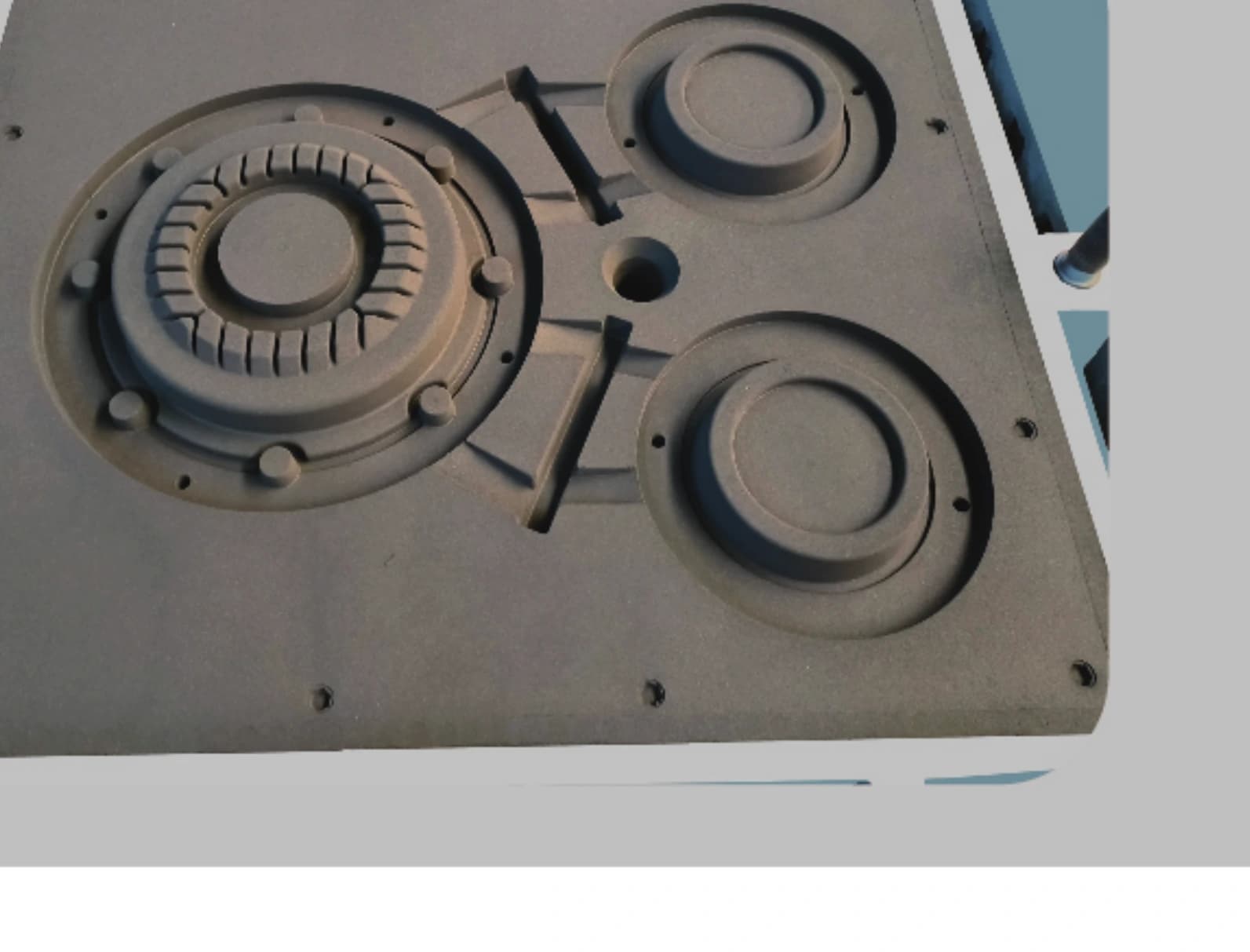
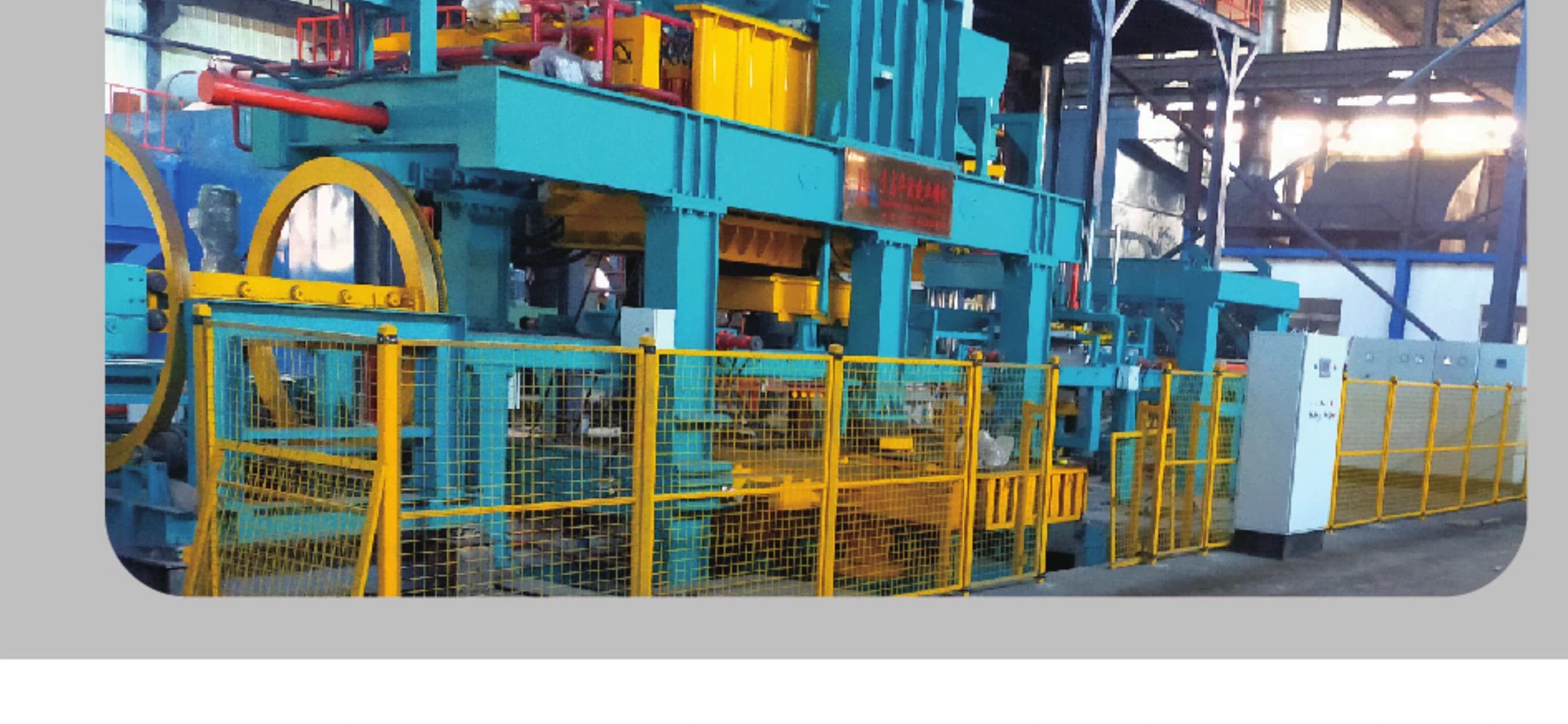
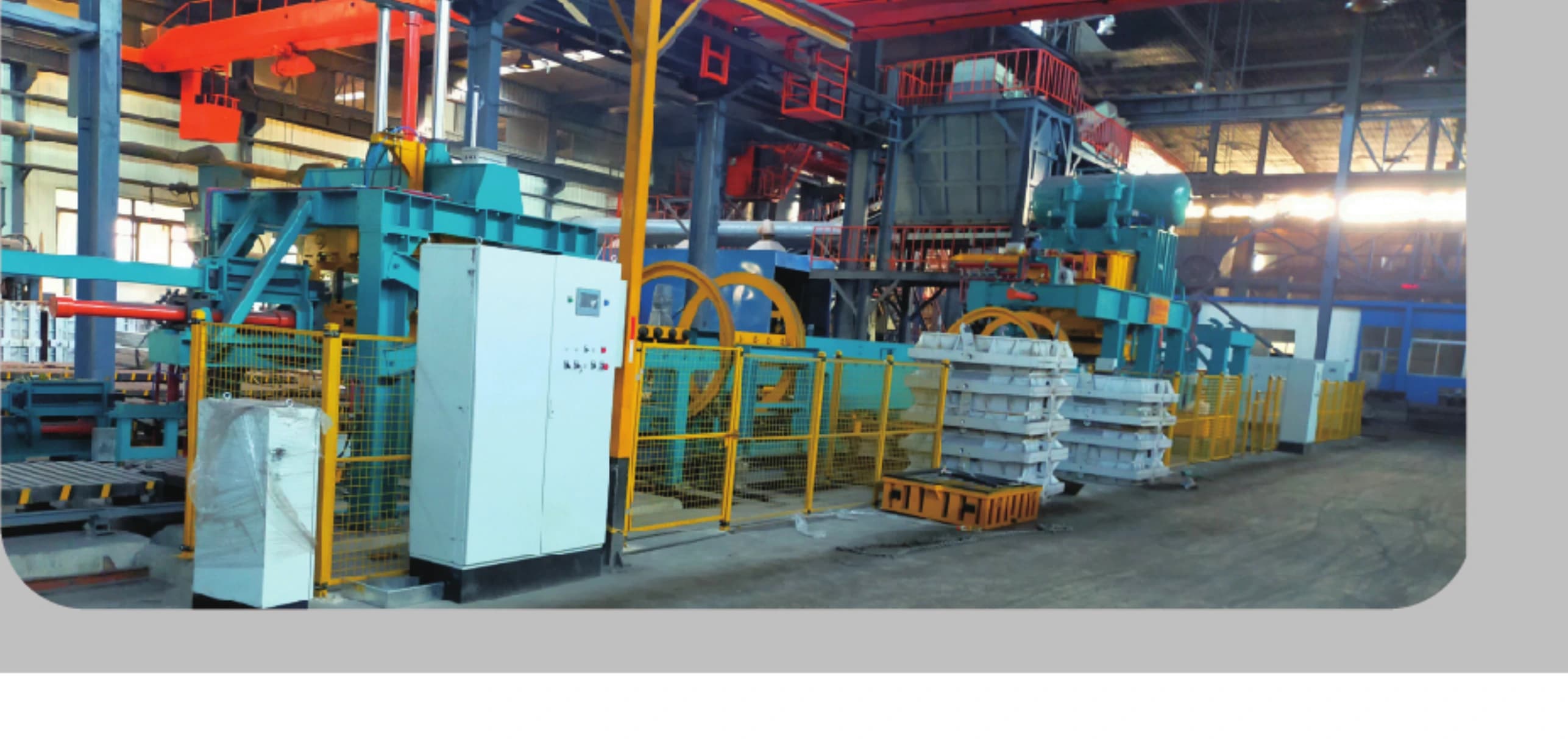
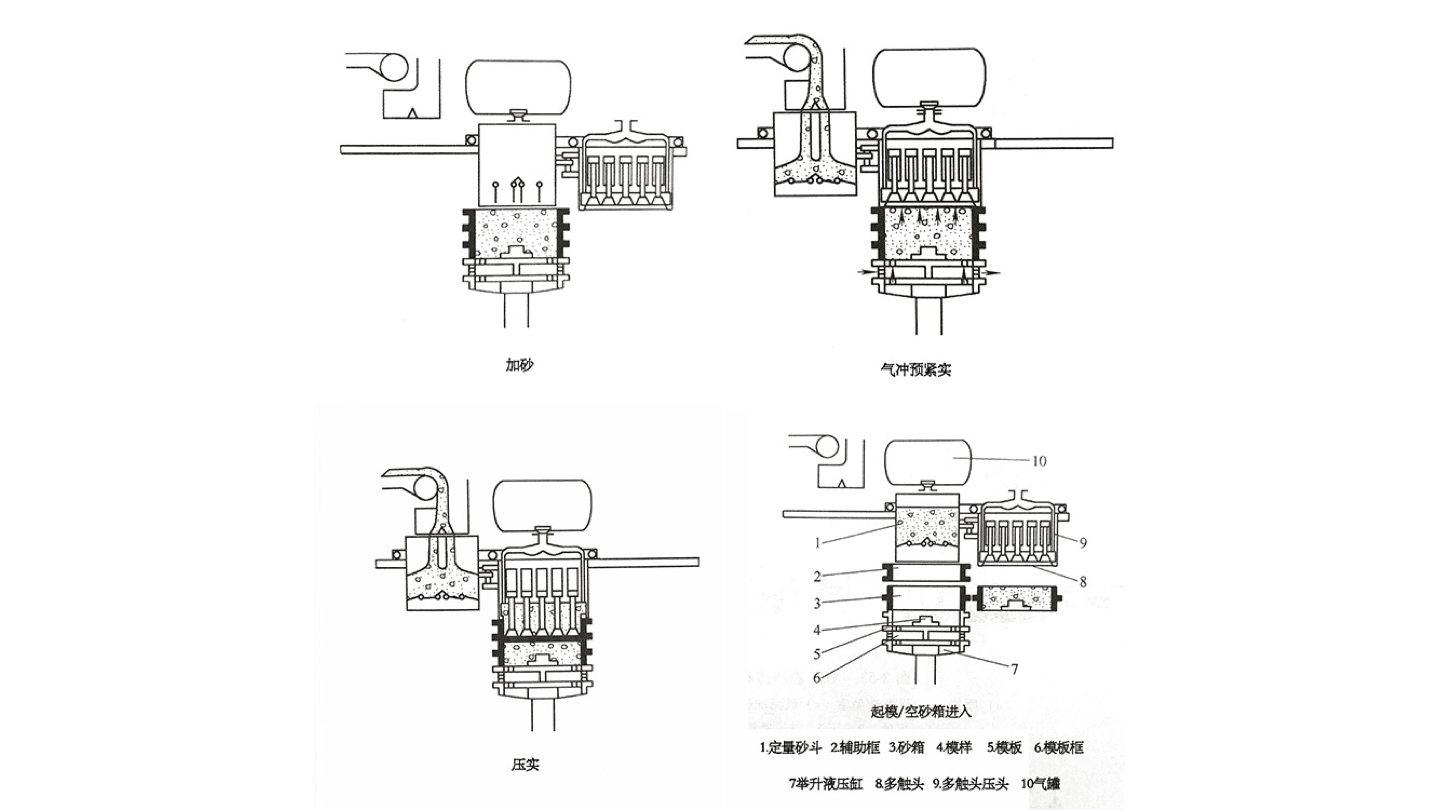
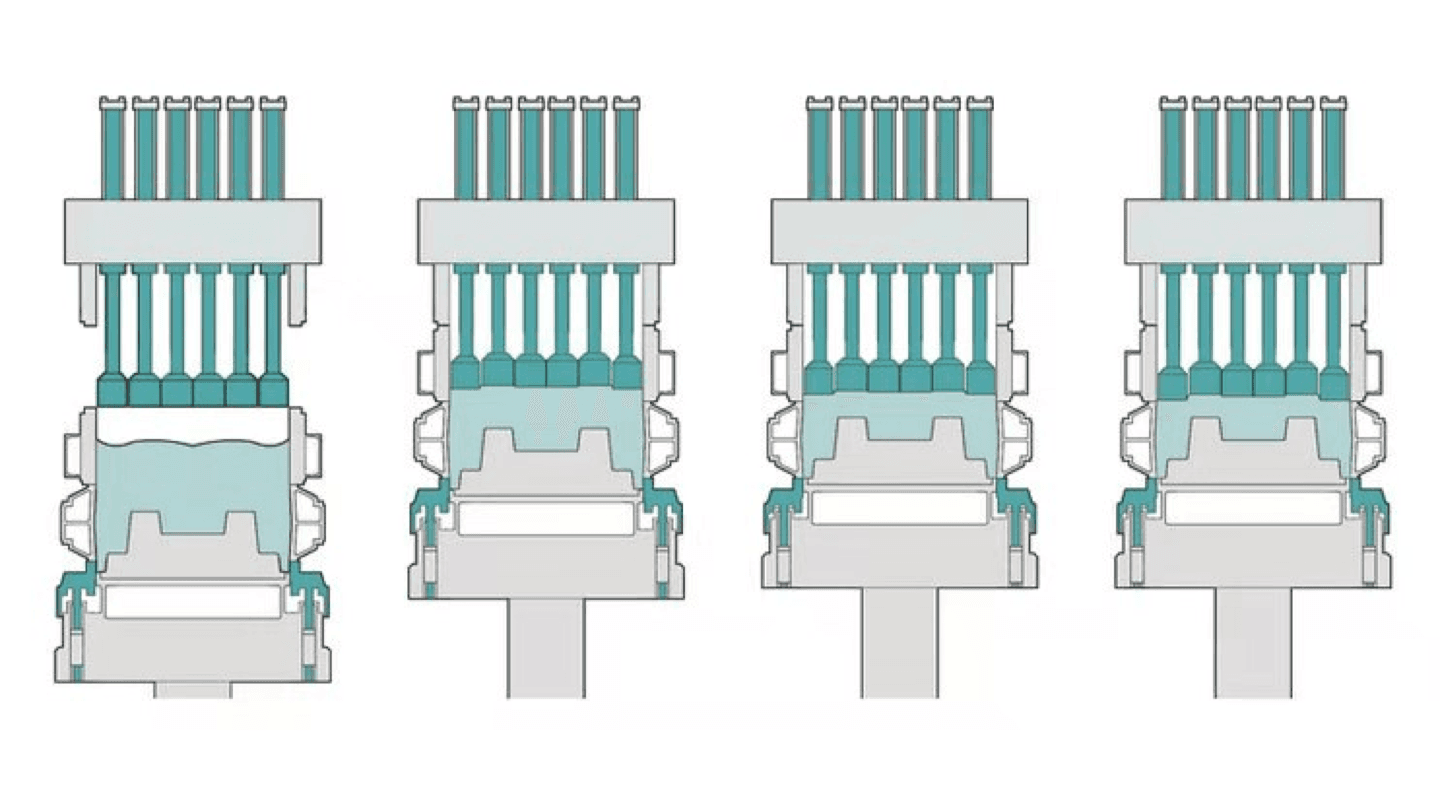
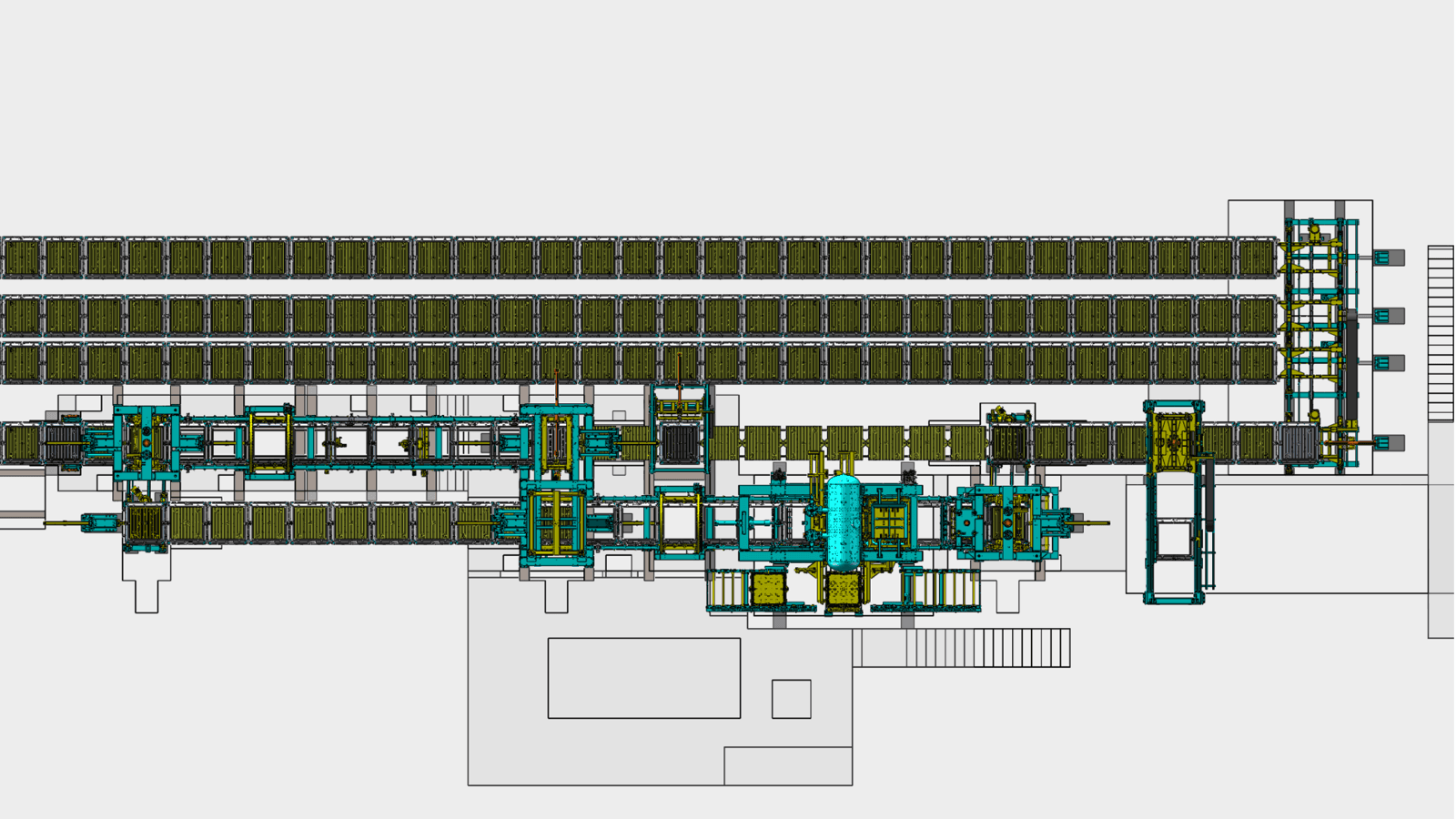
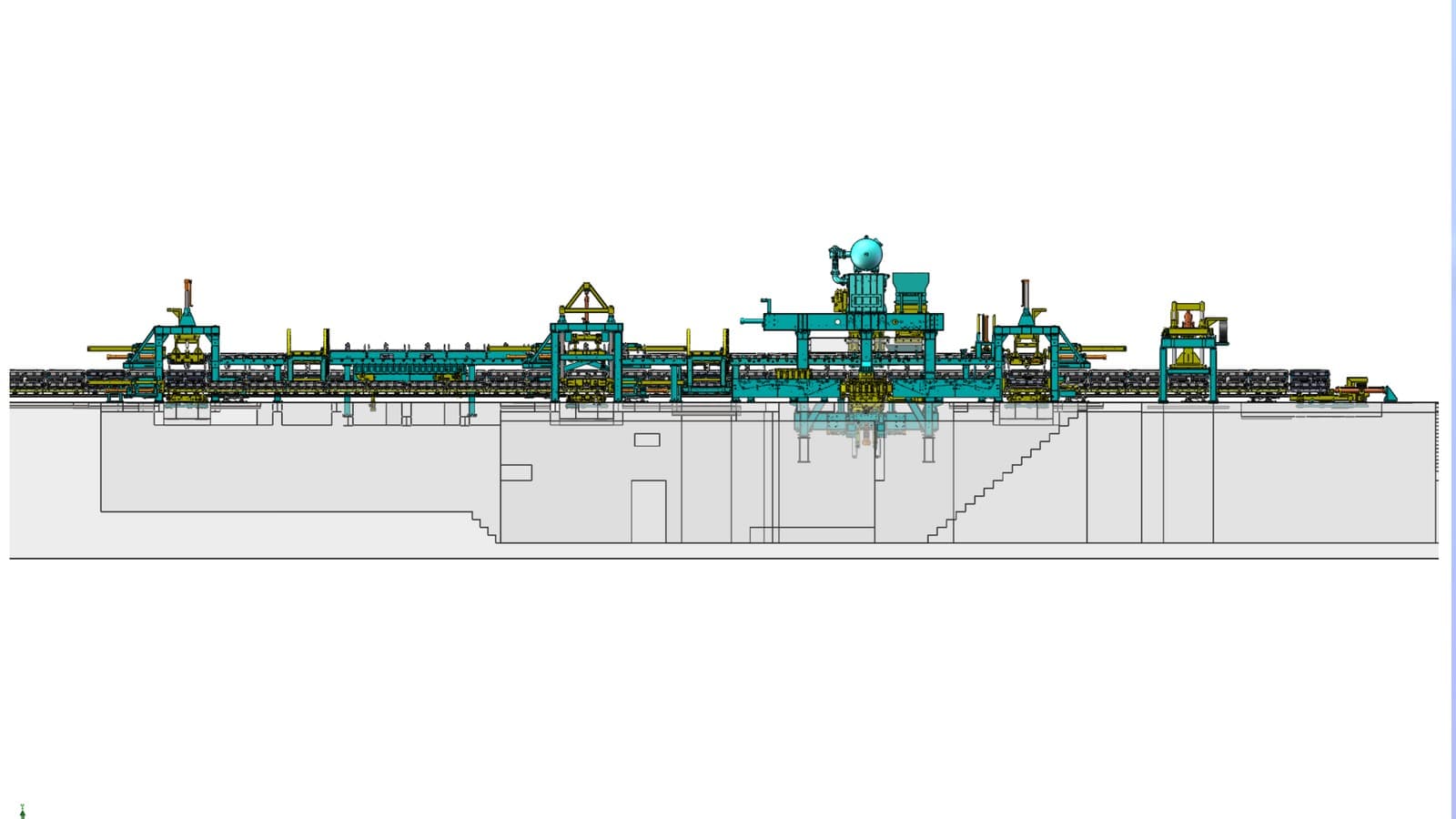
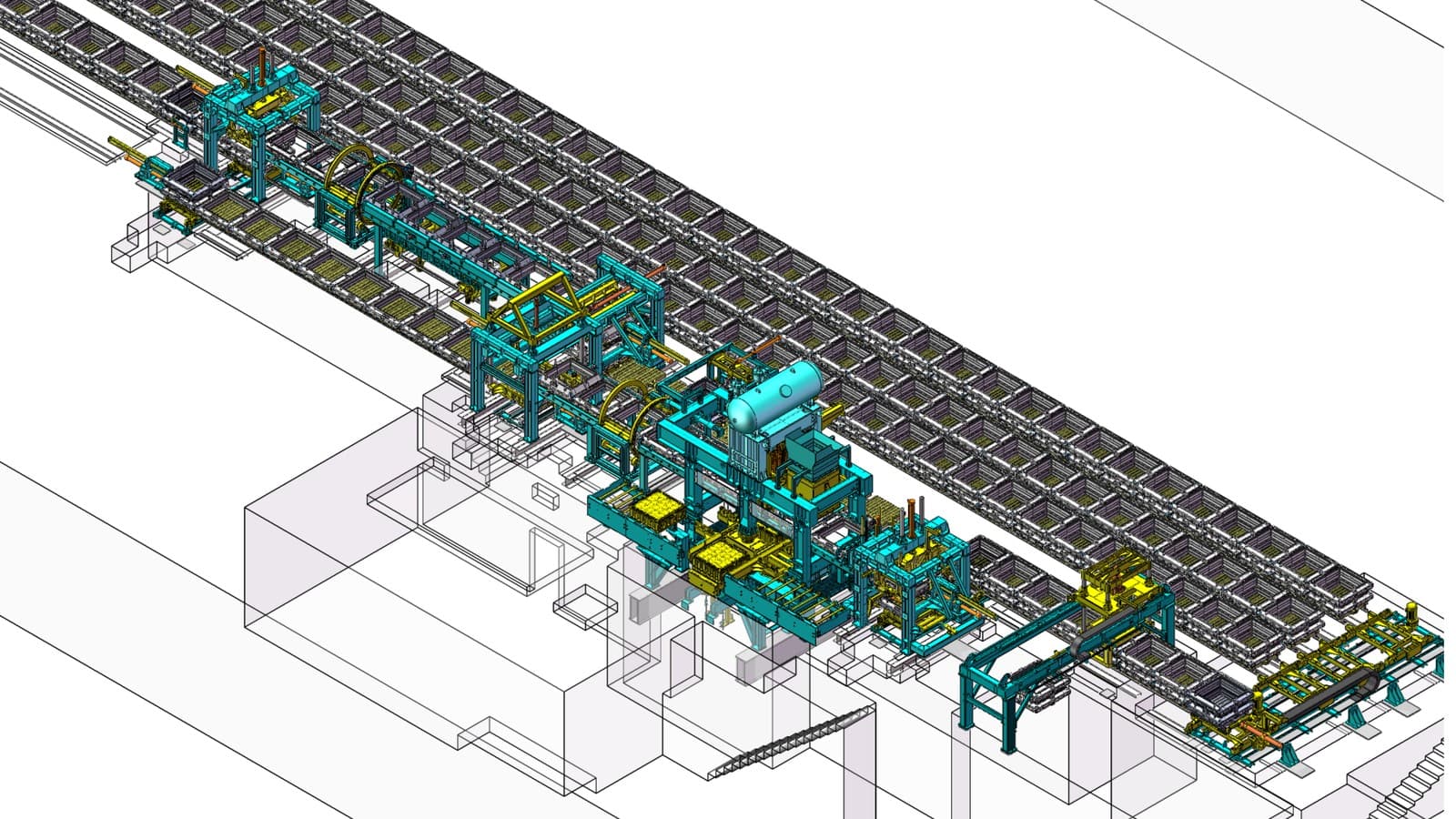
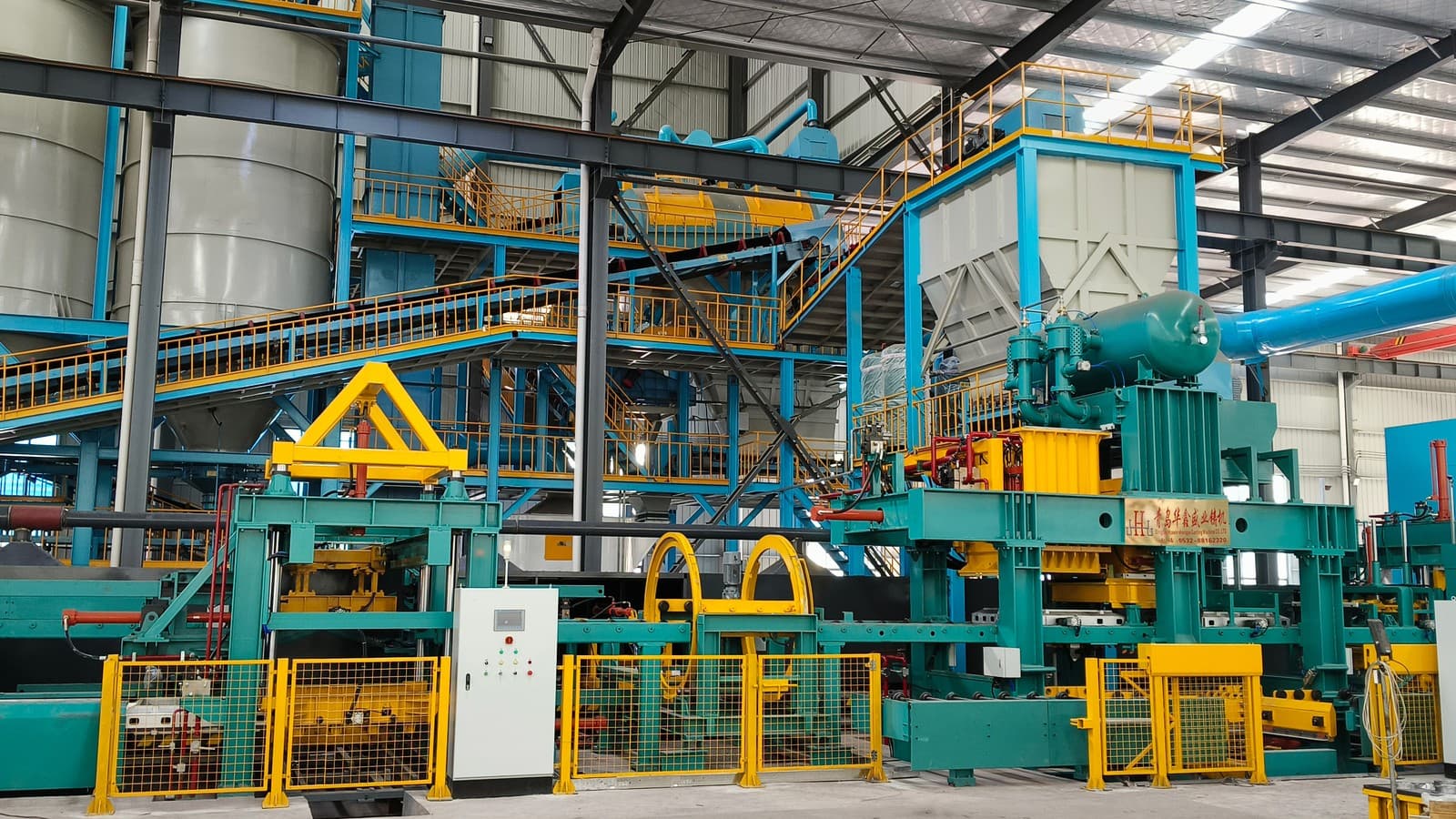
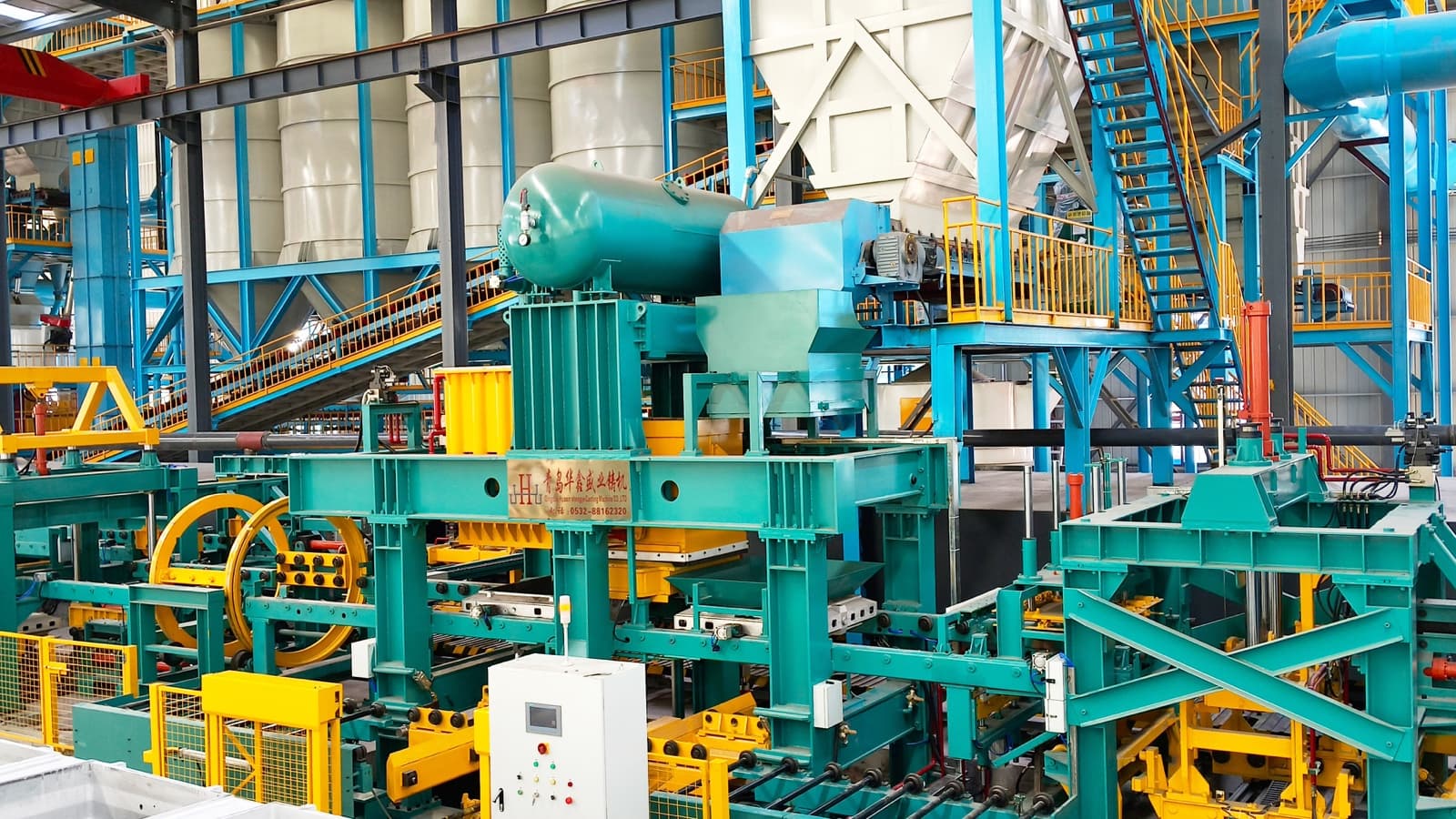
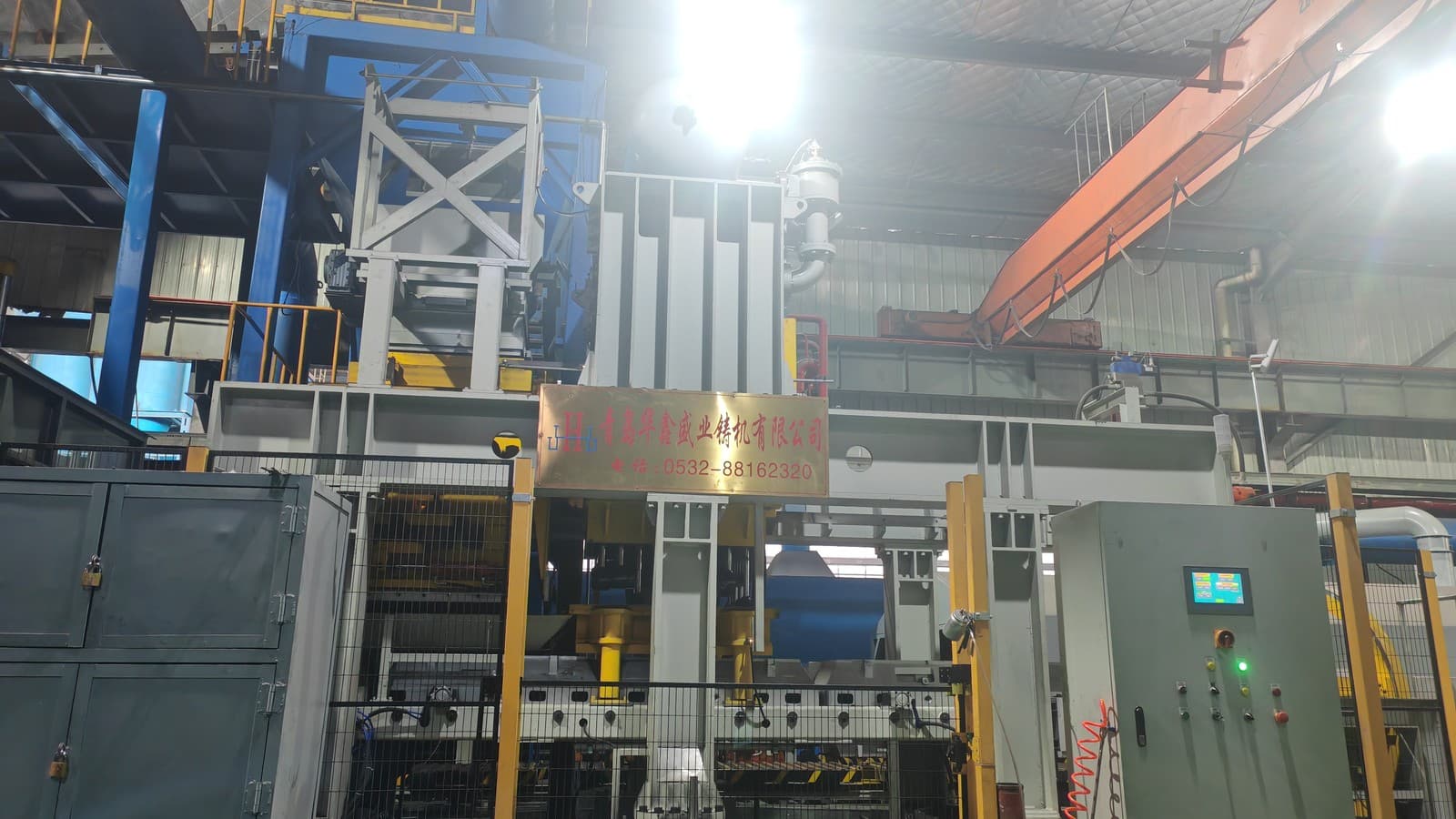
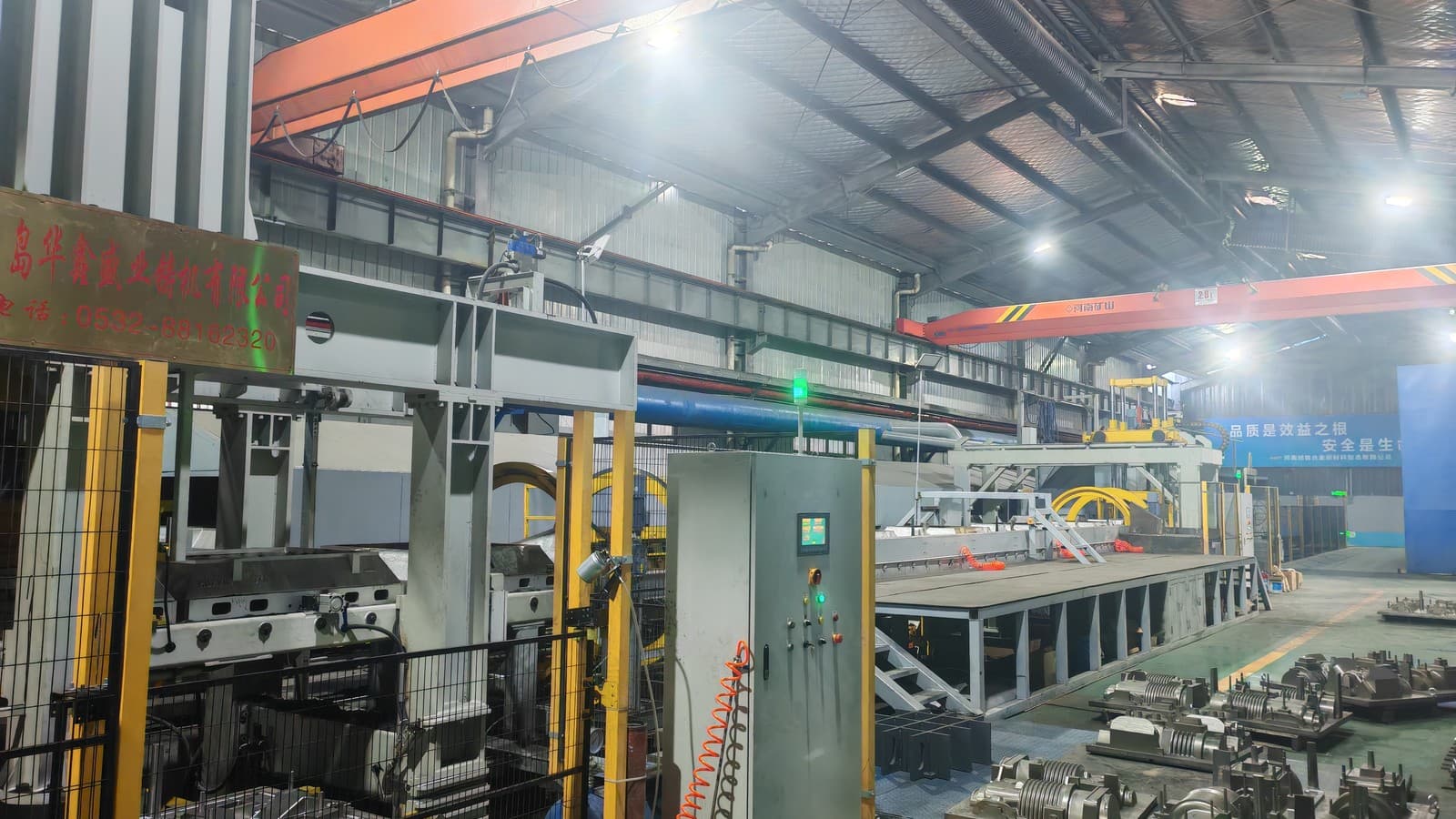
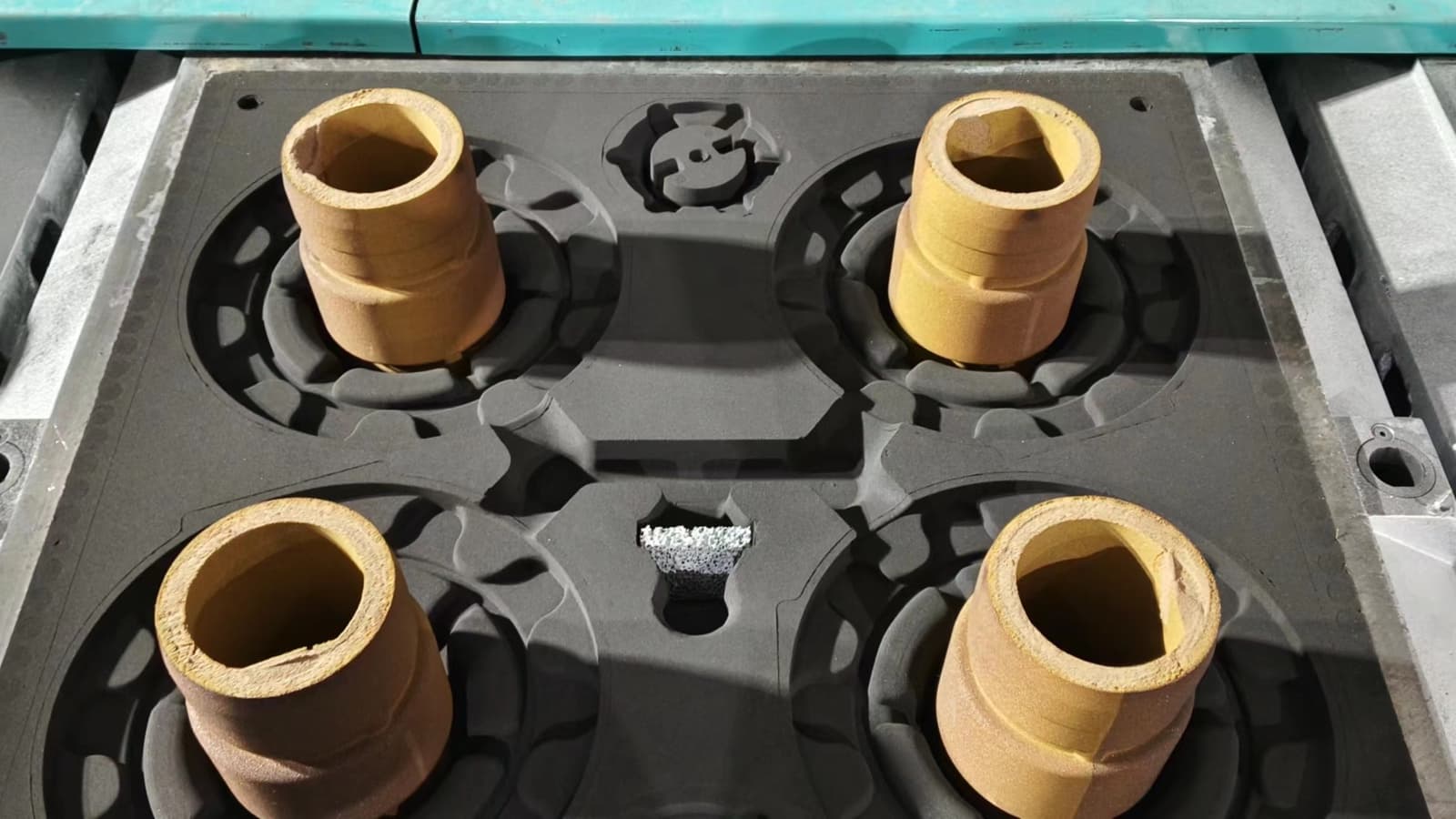
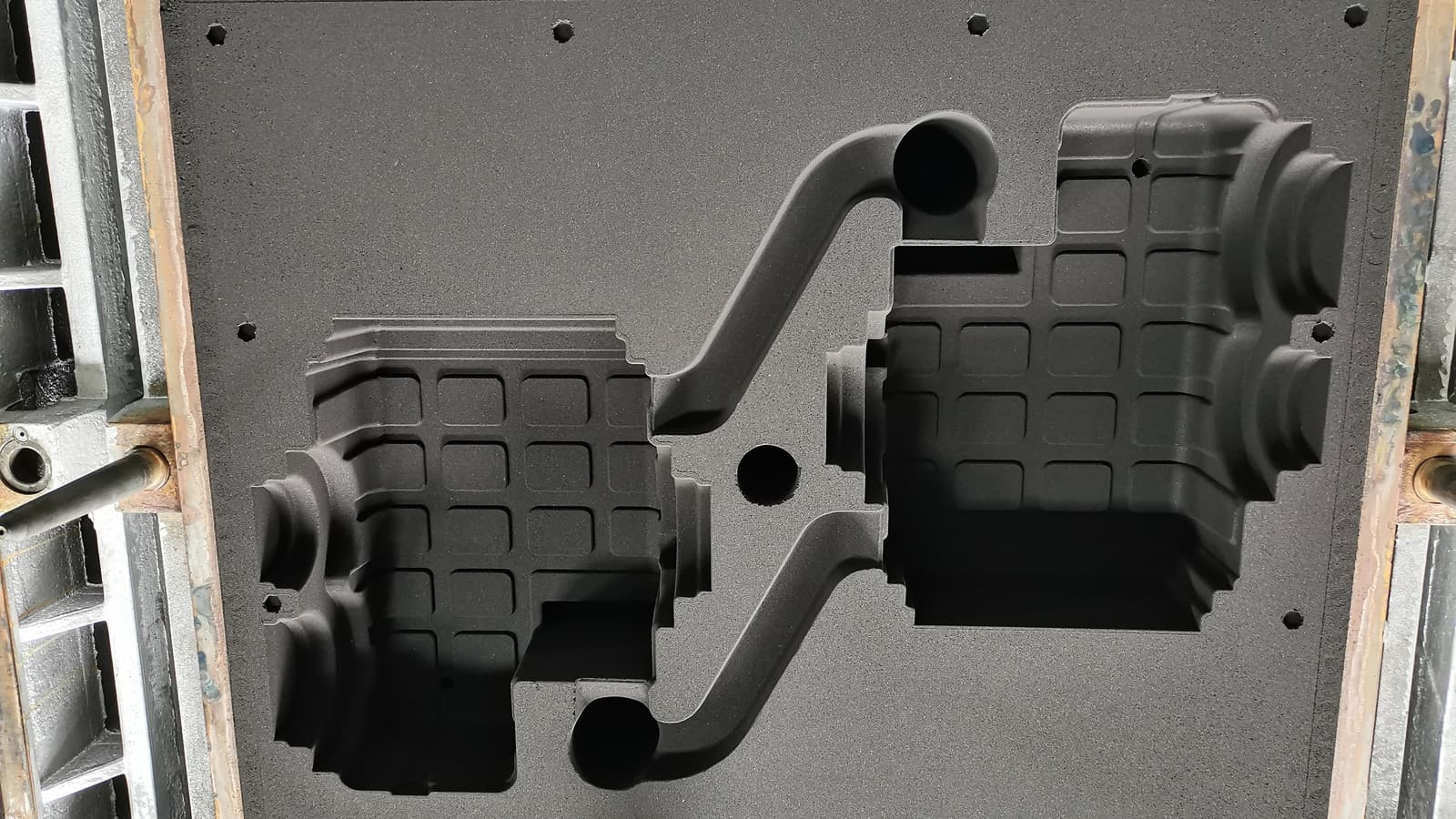
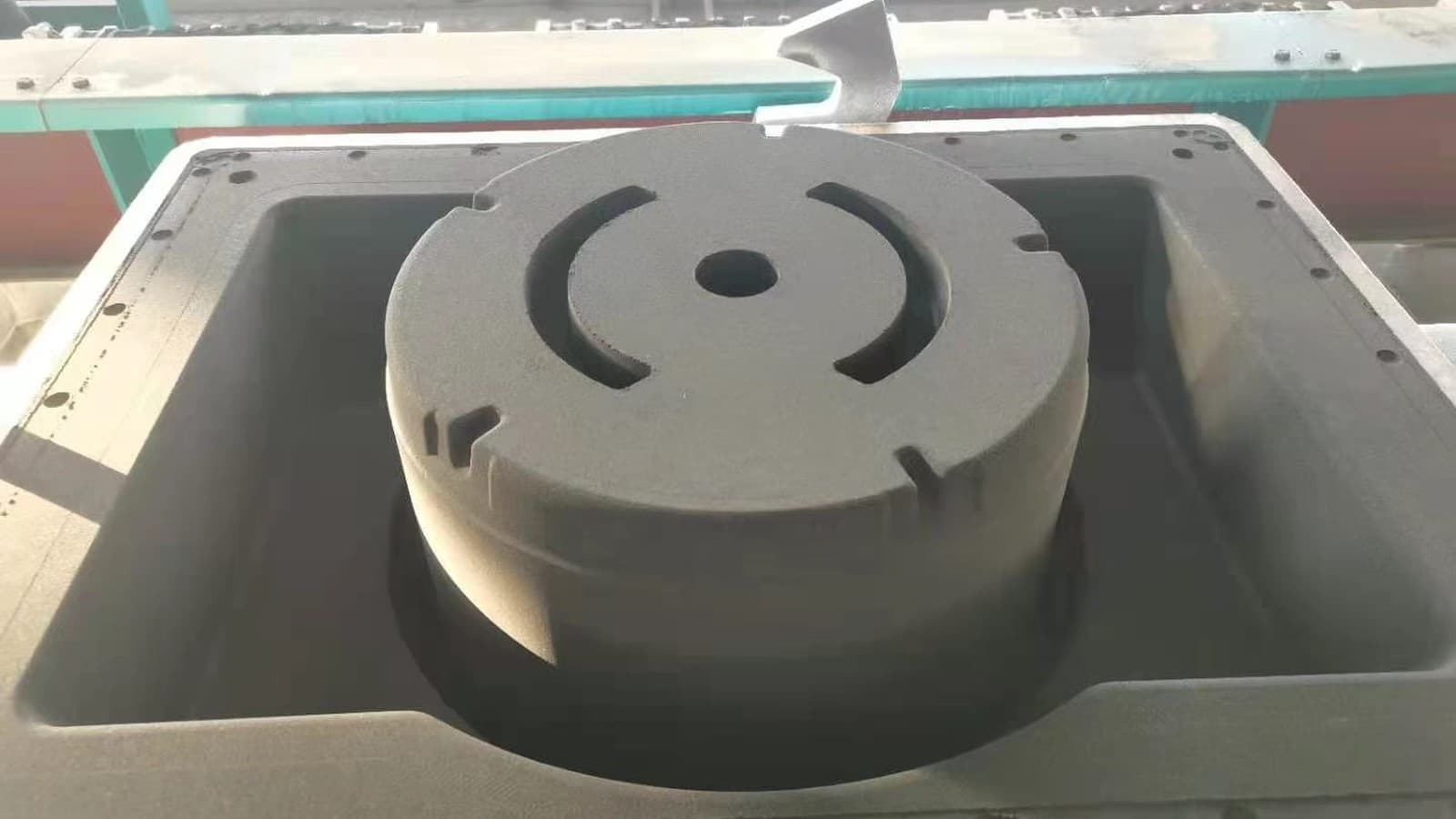
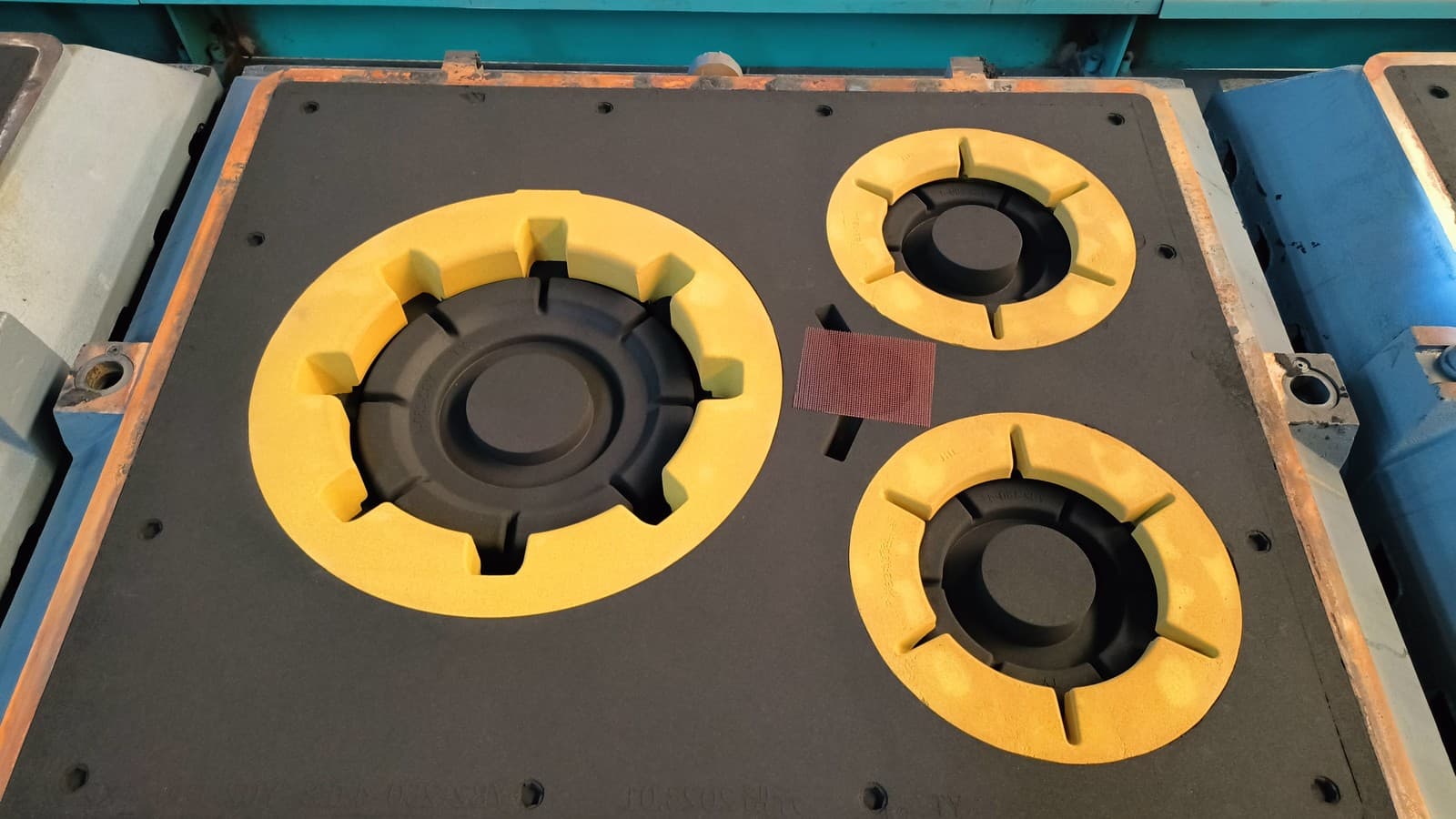
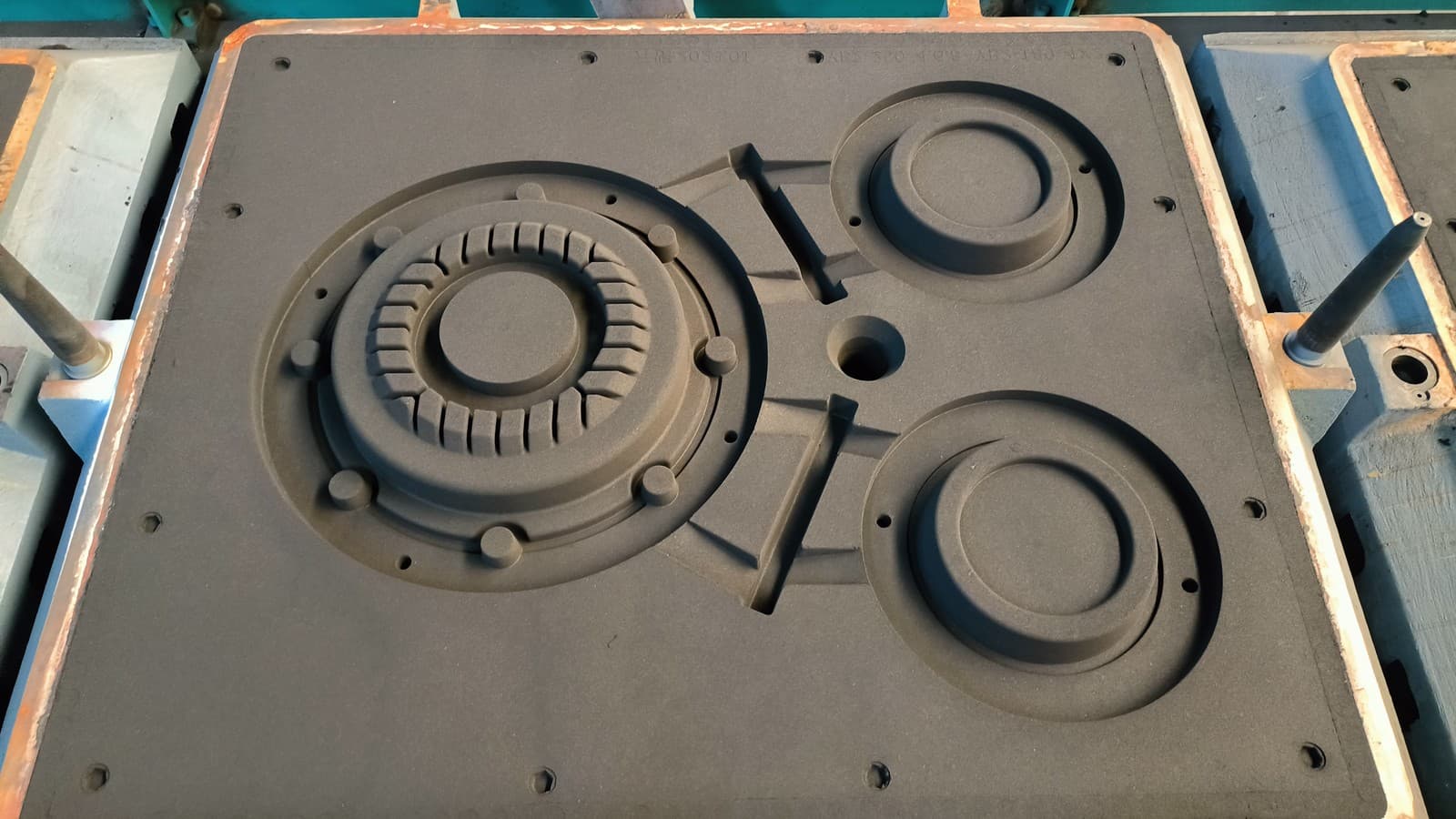
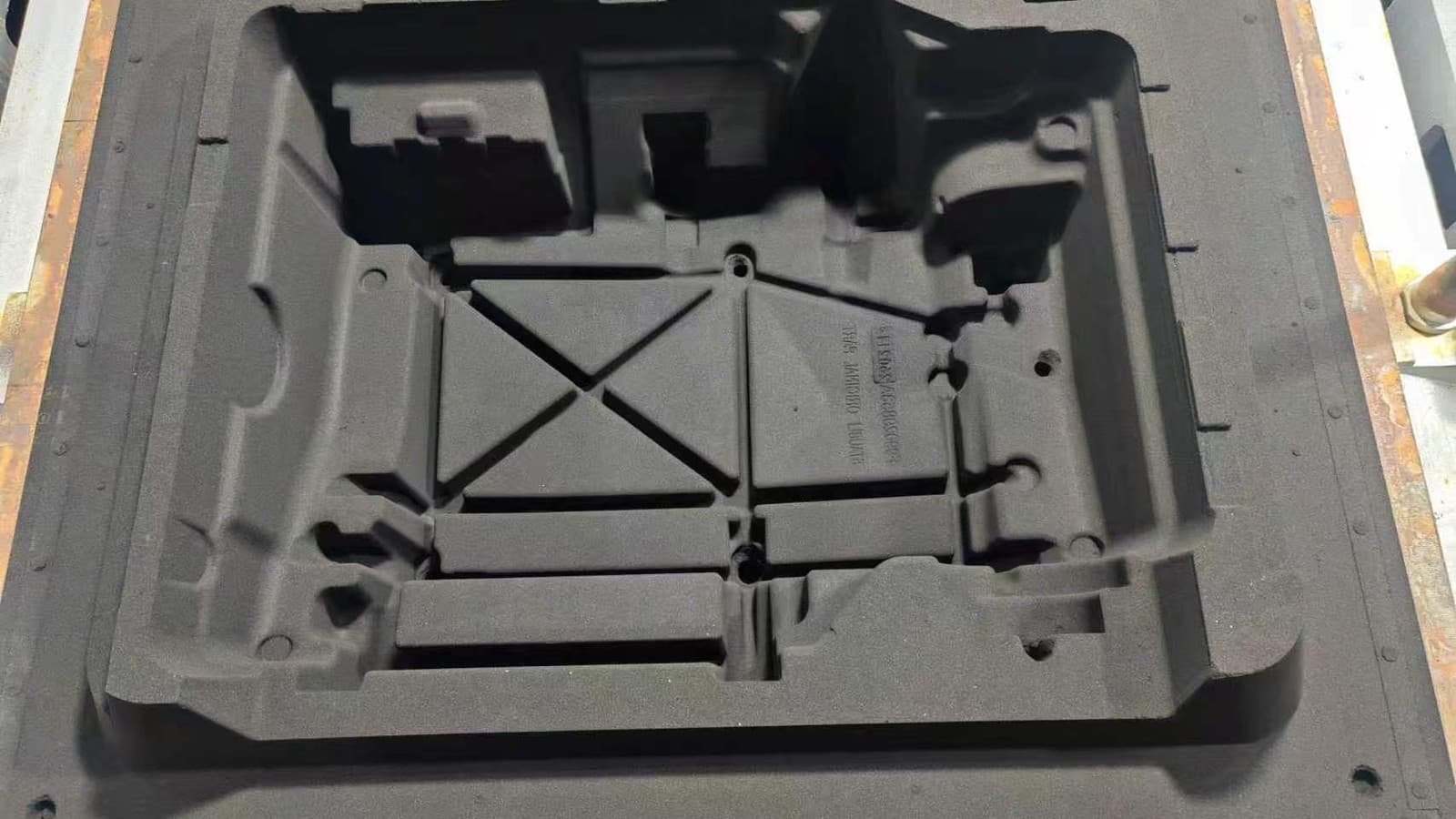
It is an automated foundry line that produces sand molds using airflow pre-compaction and multi-head high-pressure squeezing. The complete line can perform flask separation, cleaning, molding, pattern draw, flask turning, core setting, mold closing, pouring, cooling, shakeout and flask circulation.
What castings is a static pressure molding line suitable for?+−
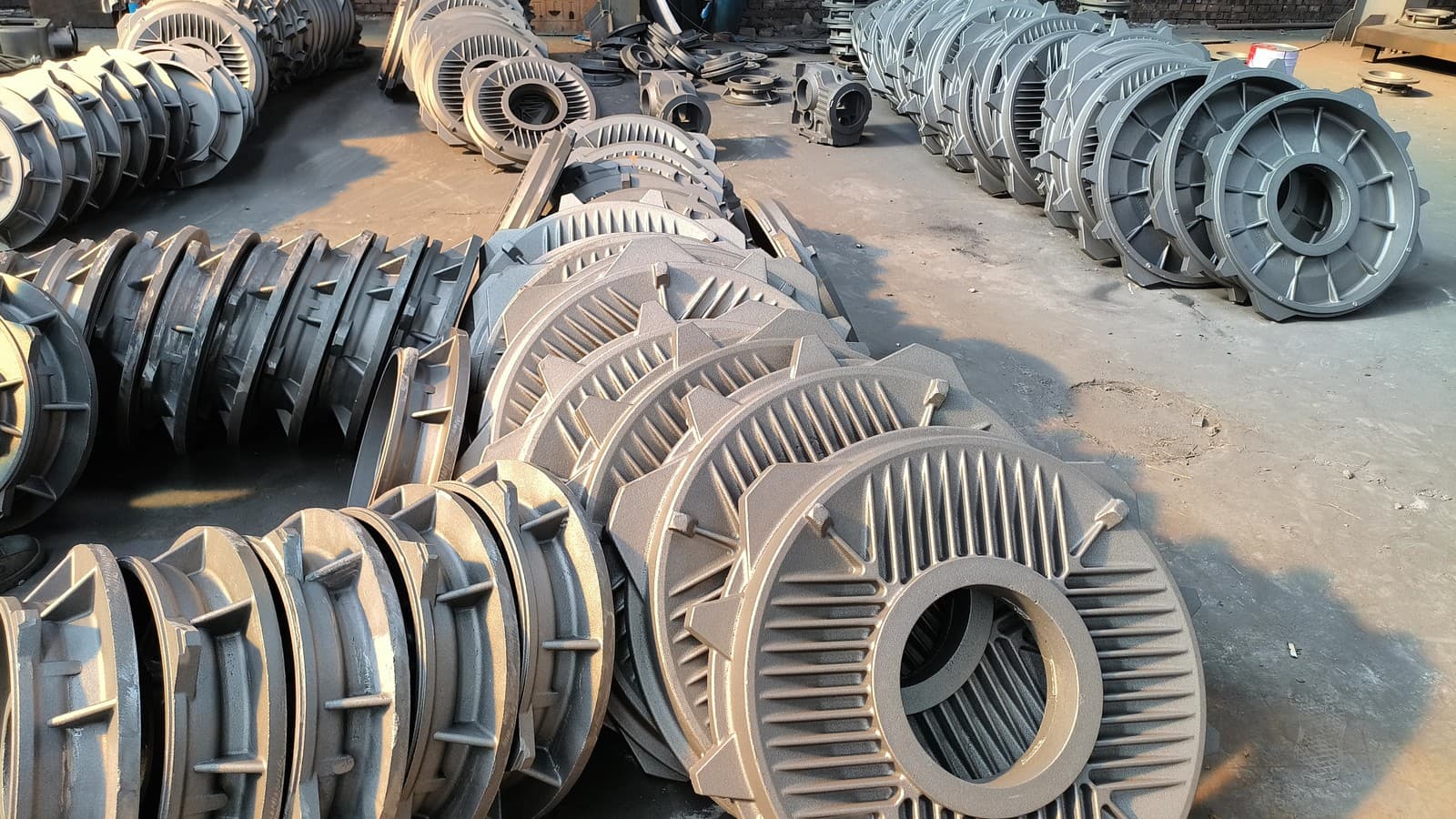
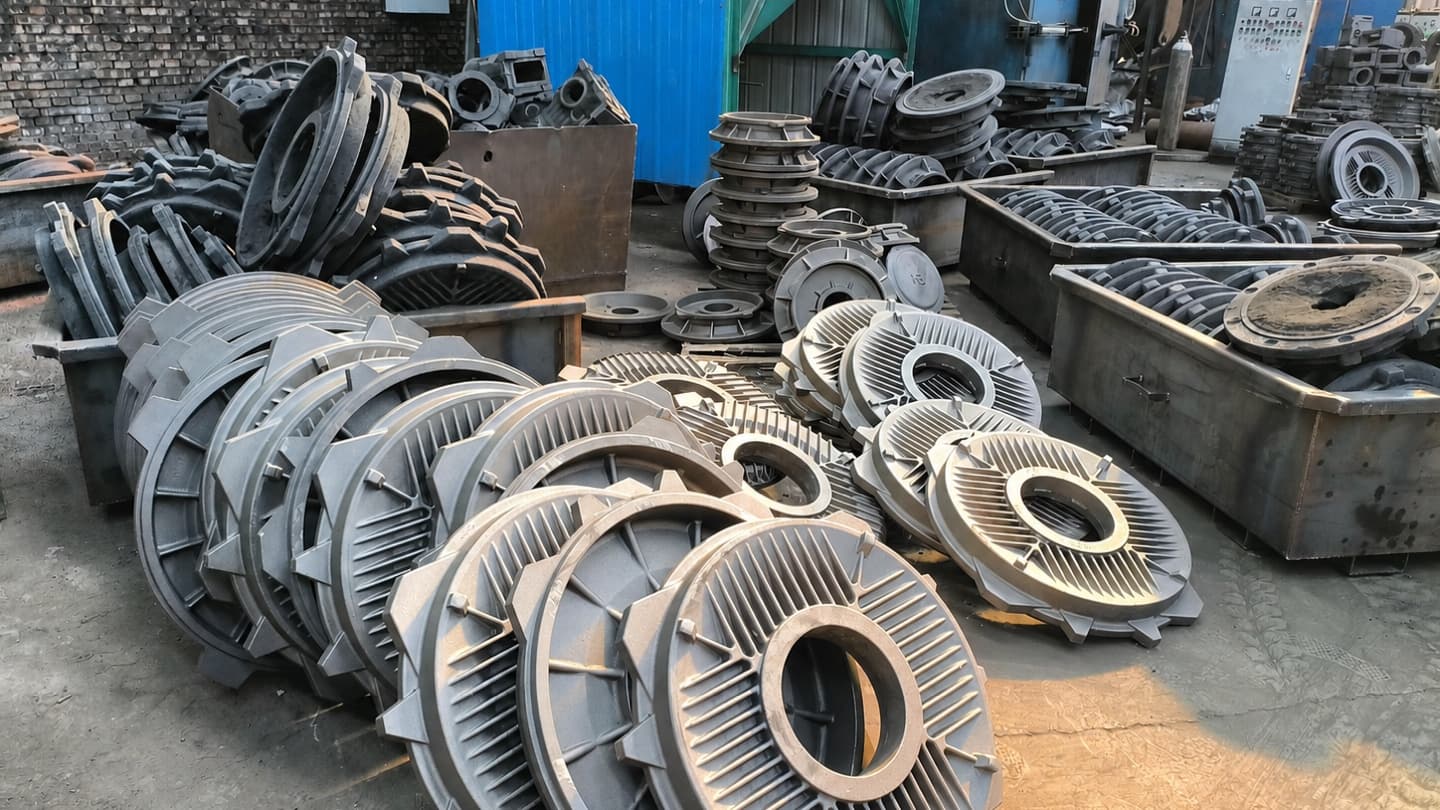
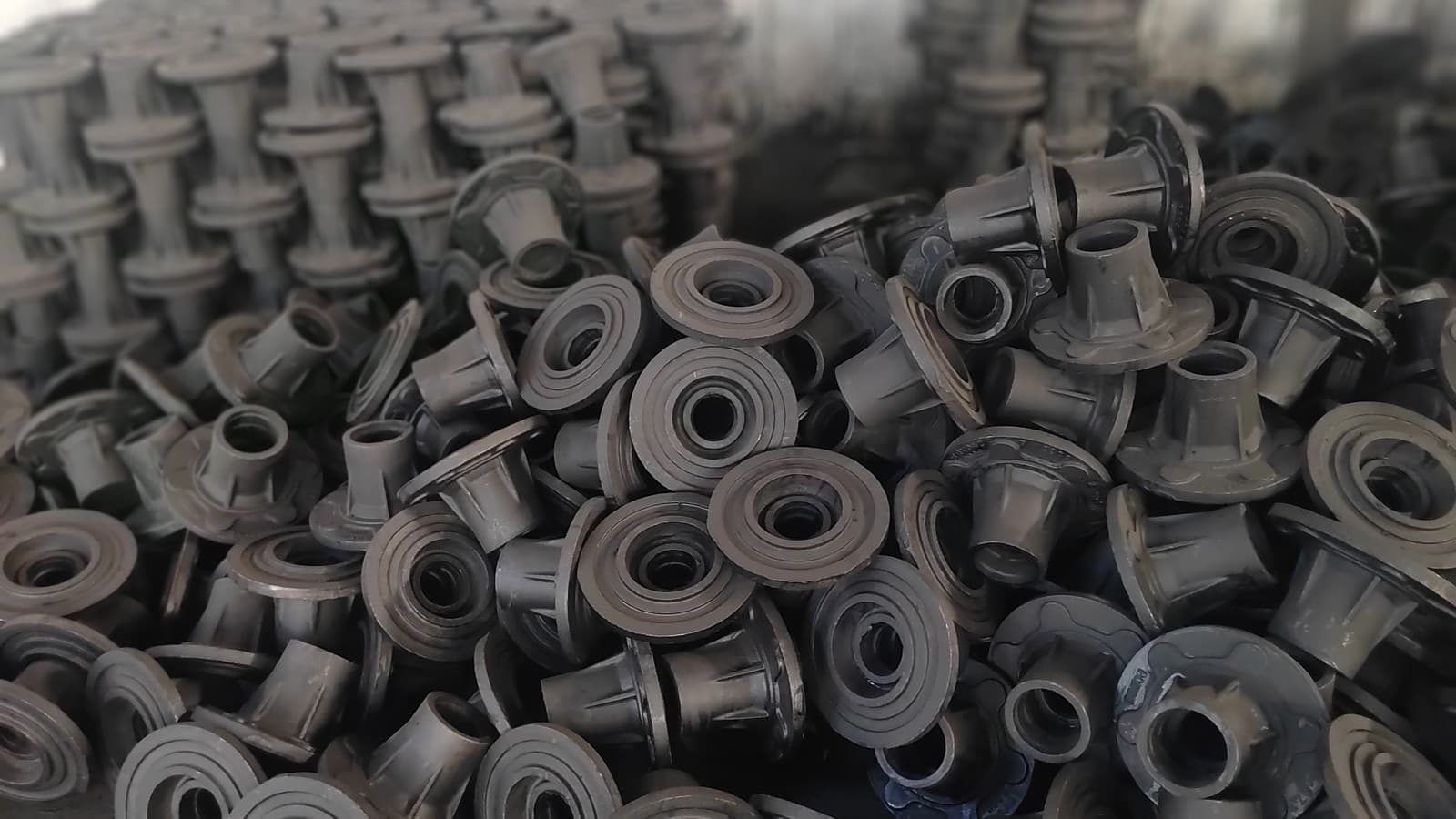
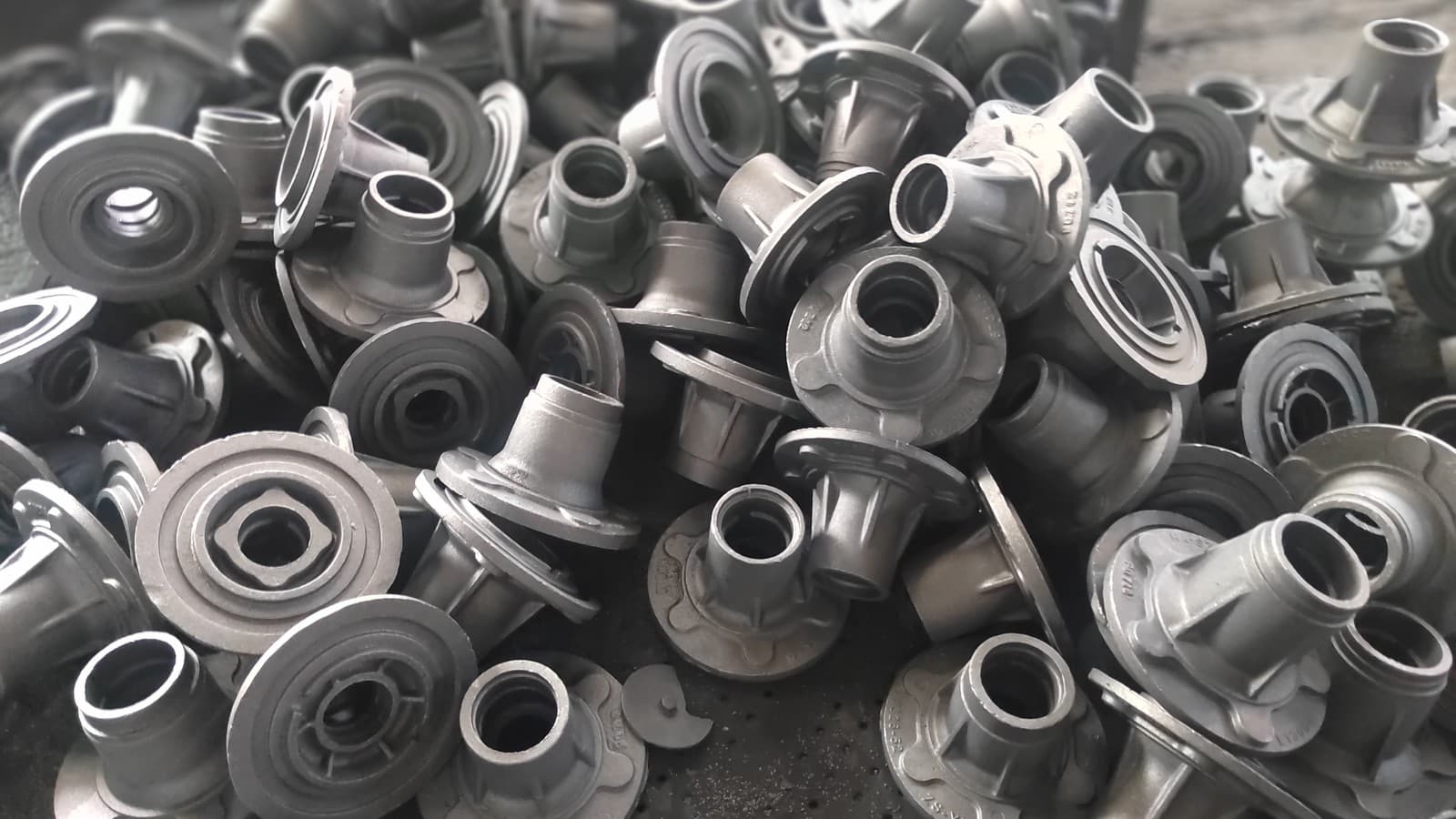
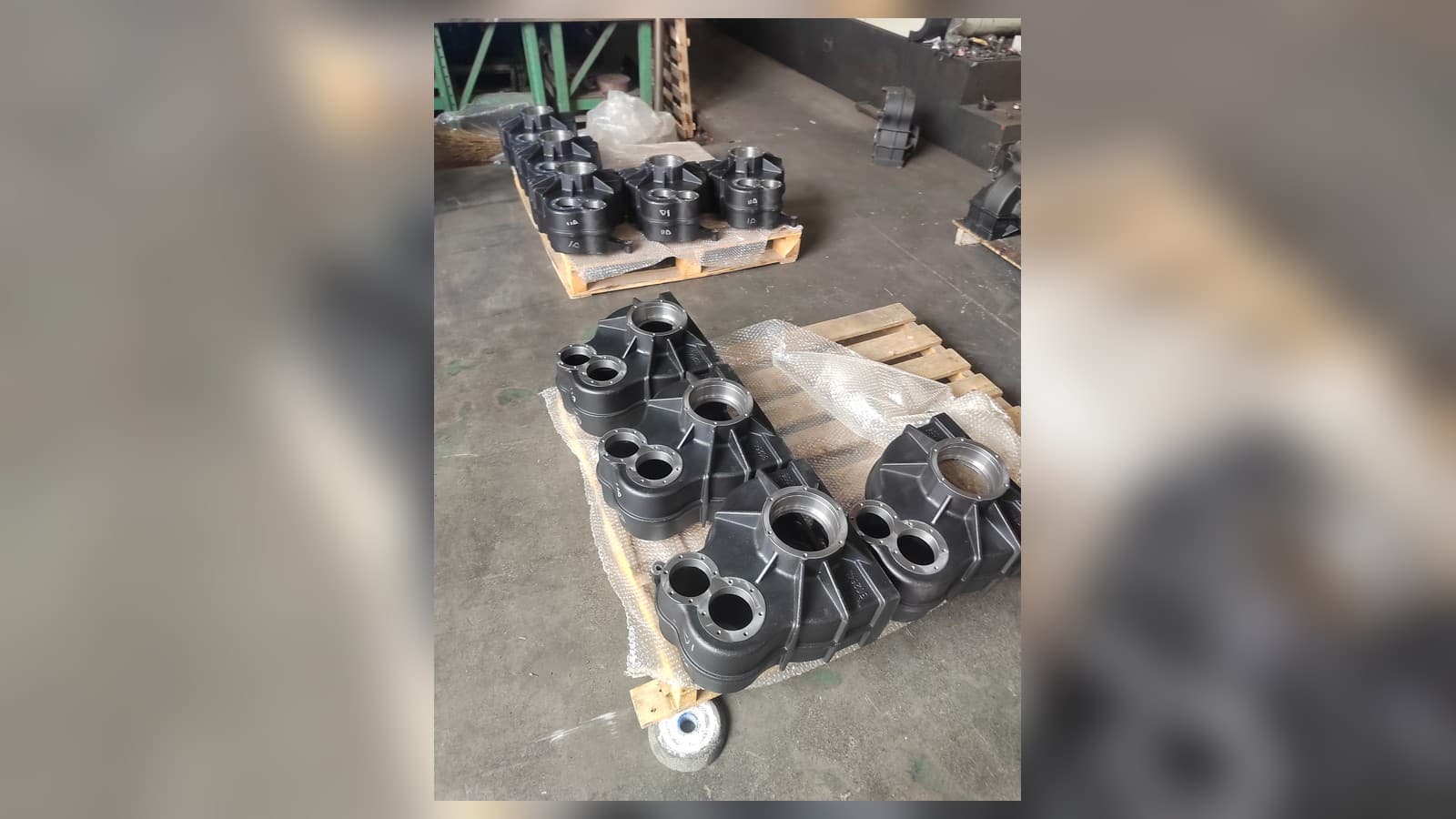
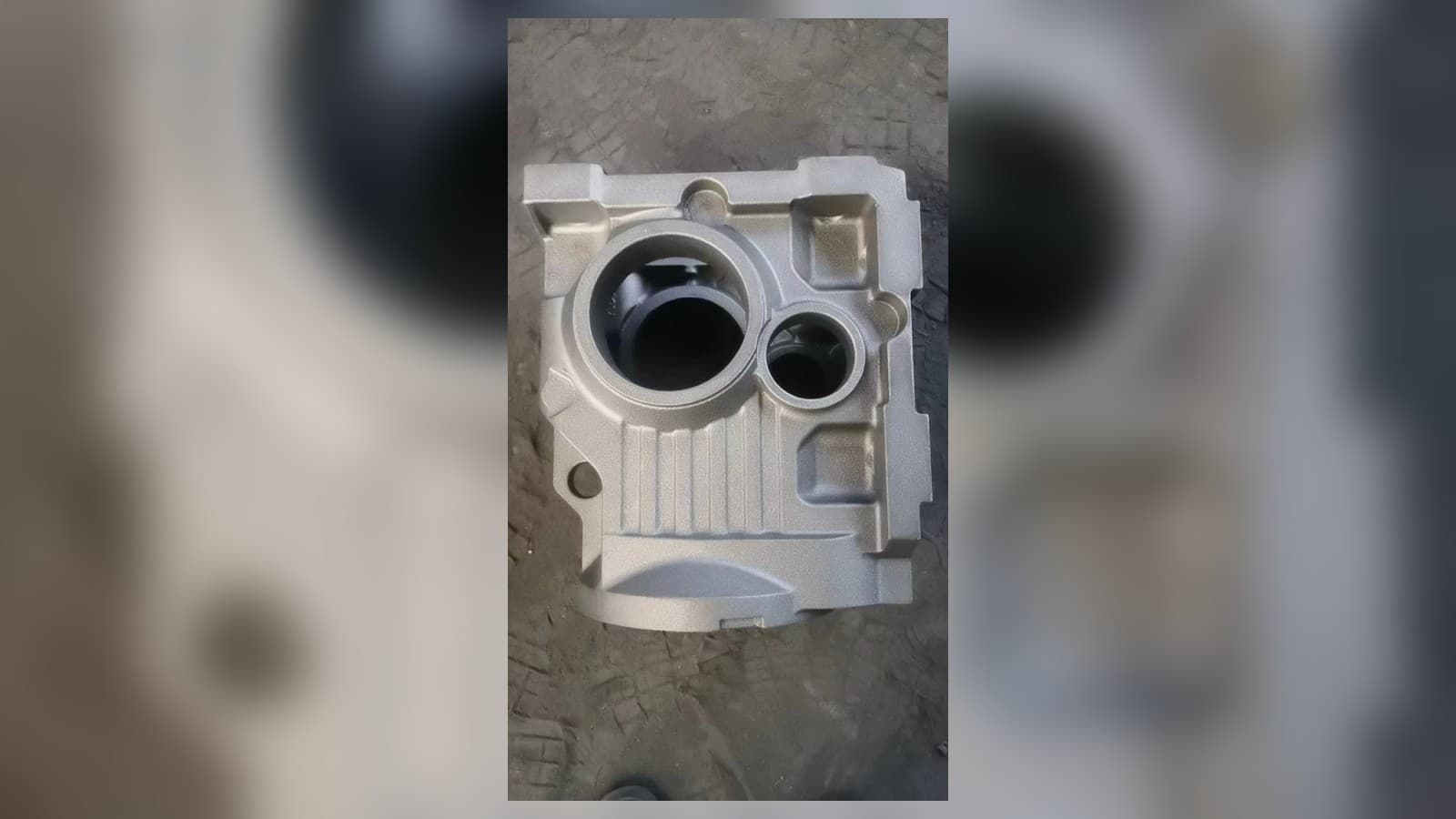
It is suitable for batch production of castings requiring high dimensional accuracy and surface quality, including automotive parts, engine and transmission housings, brake drums, brake discs, hubs, valve and pump bodies, pipe fittings, hydraulic and compressor castings, agricultural machinery parts, construction machinery castings and machine-tool components. Suitability is evaluated from casting size, weight, structure, material and production volume.
Which metal materials can be produced?+−
It is mainly used for gray iron, ductile iron and other ferrous castings. With suitable molding-sand practice, gating design and cooling time, it may also be used for certain steel or non-ferrous castings.
How does static pressure molding differ from conventional squeeze molding?+−
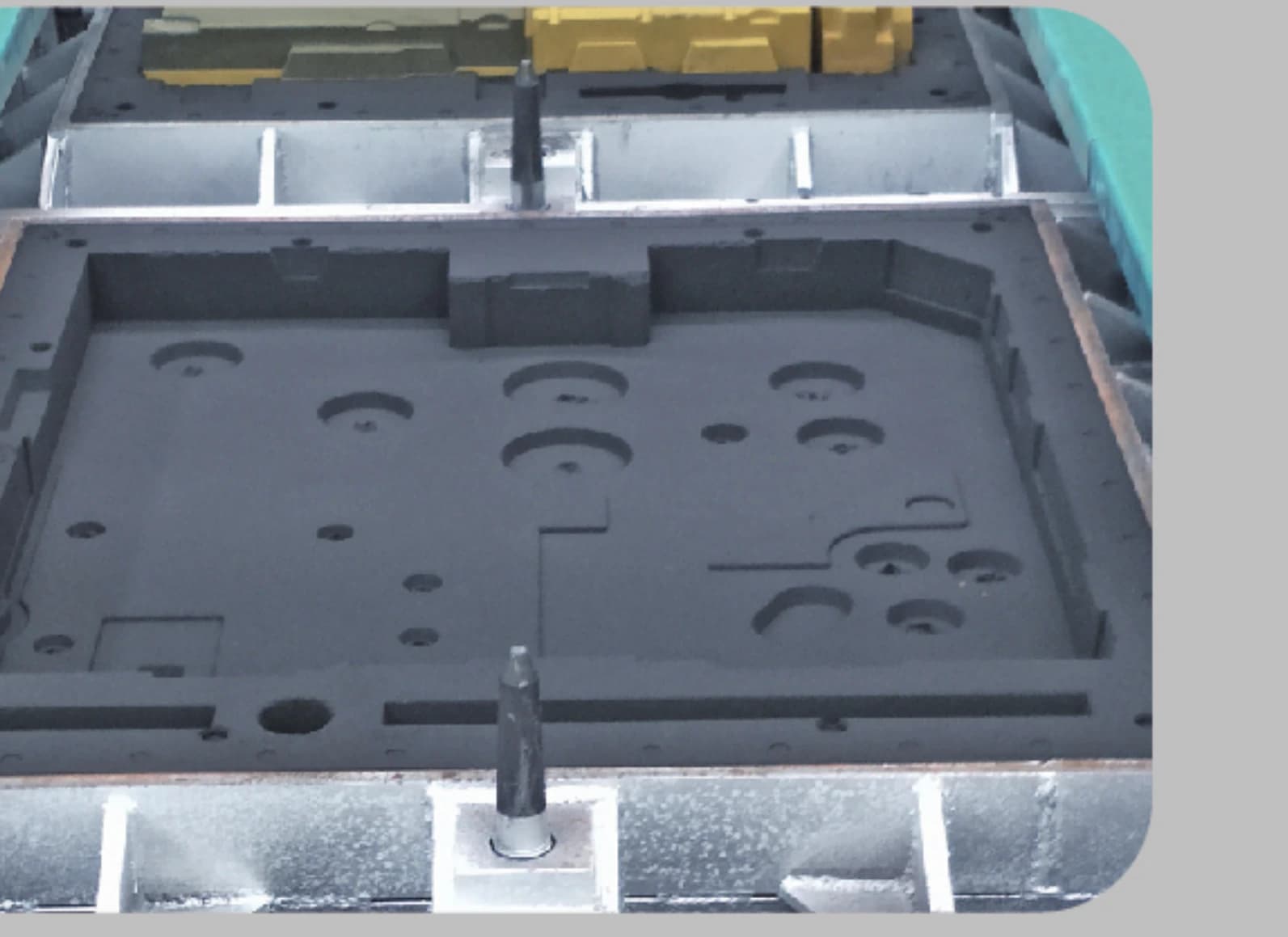
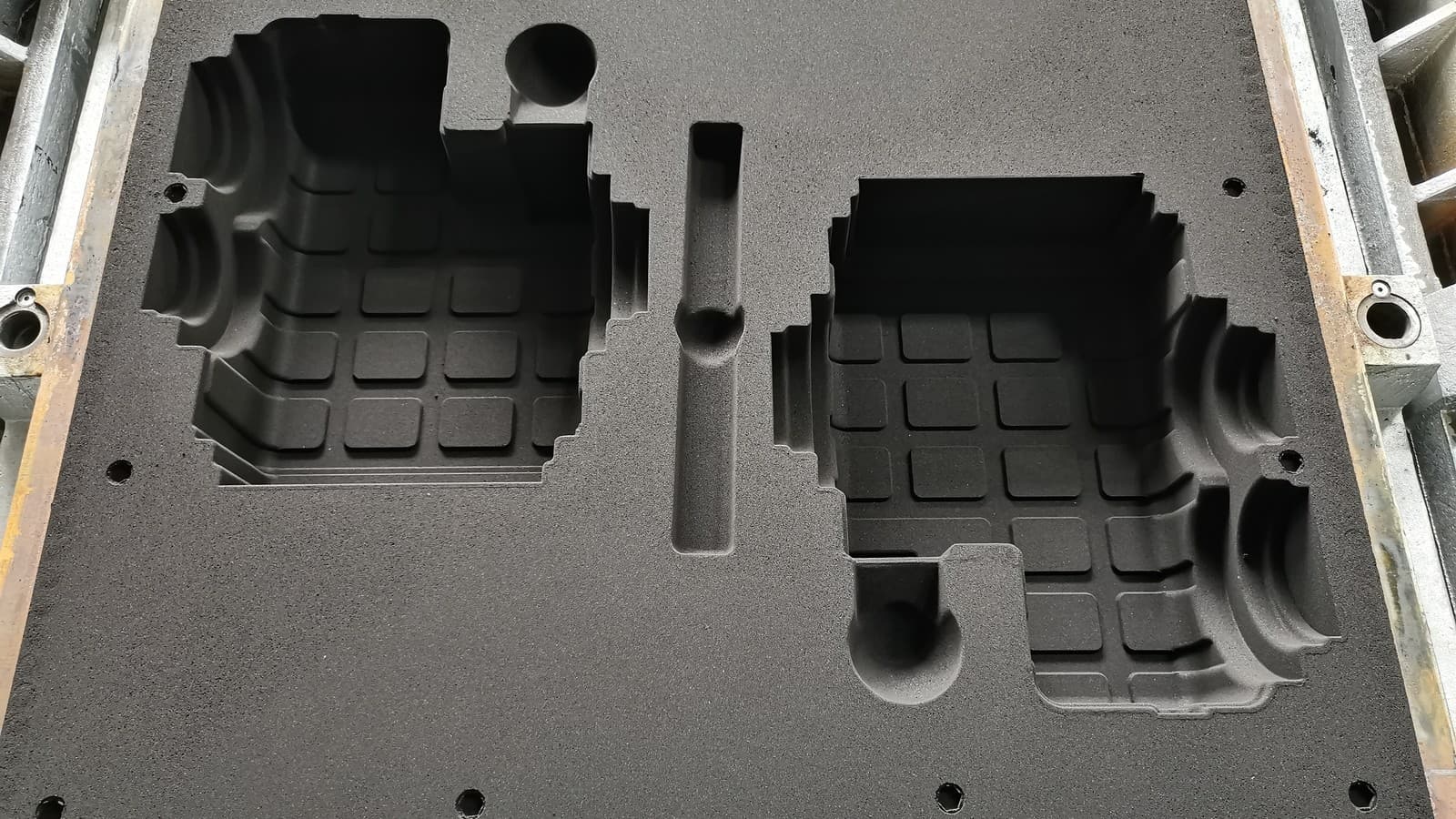
Conventional squeeze molding mainly compacts sand through mechanical pressure. Static pressure molding normally uses airflow for pre-compaction followed by multi-head high-pressure squeezing. This improves compaction around complex pattern areas and produces a more uniform hardness distribution.
What are the main advantages of static pressure molding?+−
Its advantages include high and uniform mold compaction, good casting accuracy and surface quality, suitability for complex, thin-wall and deep-cavity castings, high automation, stable cycles, less manual variation, flexible high-volume production and potential reductions in scrap and total production cost.
How many flasks per hour can the line produce?+−
Capacity depends on flask size, casting type, core-setting time, pouring cycle, cooling time and automation configuration. Evaluation must consider not only the molding machine's theoretical cycle but also pouring, cooling, shakeout and sand-preparation capacity across the complete line.
How is the appropriate production cycle selected?+−
Please provide casting names and drawings, unit weight, castings per flask, annual or shift output, shifts per day, working hours per shift, expected utilization, and required core-setting and pouring time. We calculate a suitable molding cycle and retain reasonable production margin.
Can the line produce several different castings?+−
Yes. Molding pressure, sand filling, vibration parameters and production cycles can be stored as recipes in the control system and recalled during product changes. Changeover is easier when different castings use the same or compatible flask sizes.
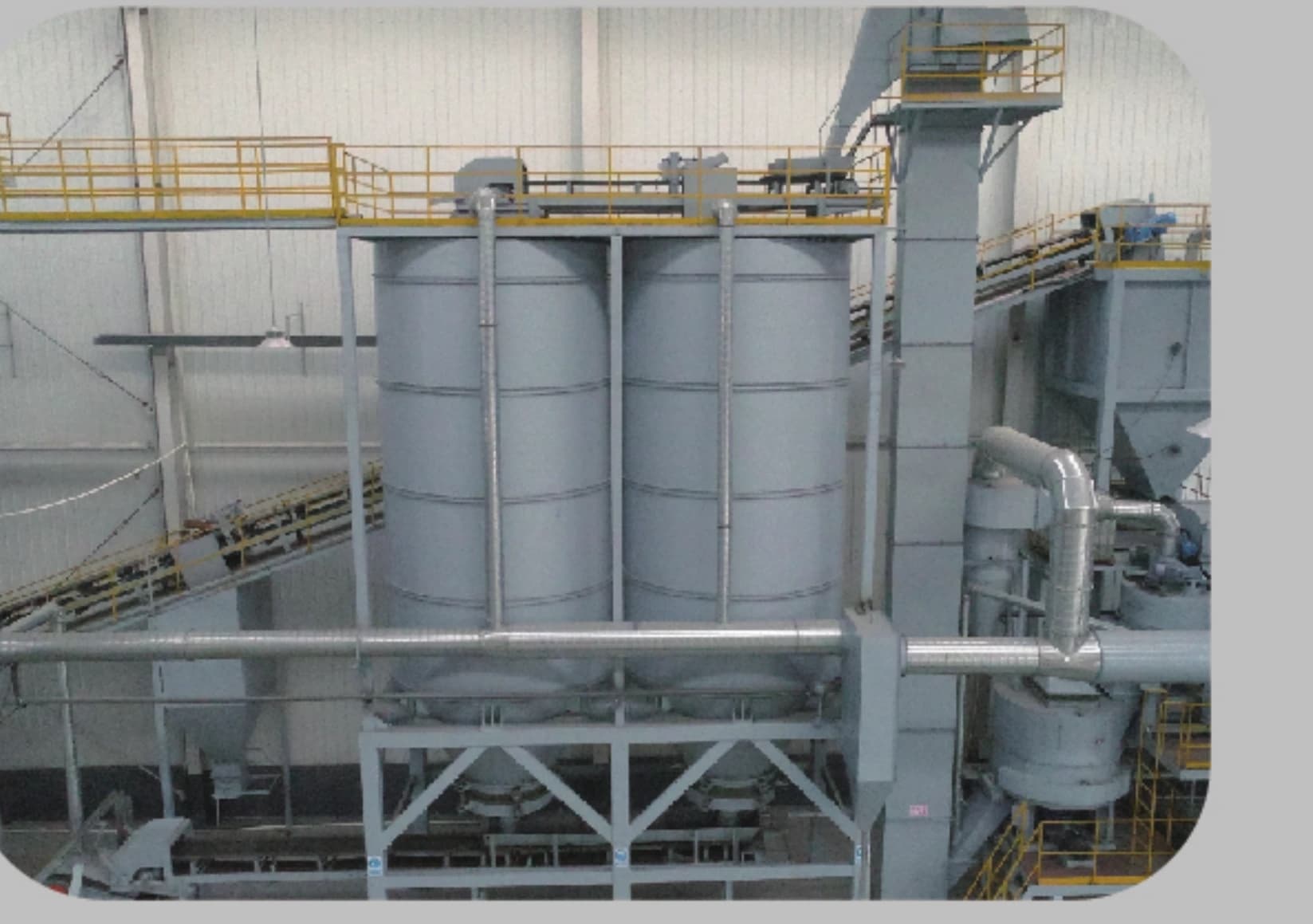
Can sand preparation, pouring and cleaning equipment be supplied together?+−
Yes. Huaxin has the capability to provide a complete one-stop solution.
Which casting defects can static pressure molding help reduce?+−
Stable molding quality helps reduce mold swelling, sand wash, sand inclusions, sand drop, dimensional deviation and rough surfaces caused by uneven compaction. Casting quality also depends on sand properties, pattern and gating design, molten-metal quality and cooling practice.
How long does delivery take after order confirmation?+−
Lead time depends on line scale, automation level, the amount of customized equipment and purchased-component schedules. A complete line requires engineering, manufacturing, pre-assembly, software commissioning and factory acceptance, so the final schedule is defined in the technical agreement.
How long do installation and commissioning take?+−
The period depends on line length, equipment quantity, site foundations and the completion of customer-side works. Before delivery, the customer should complete the workshop, pits, power, compressed air, dust collection and other utilities according to the foundation drawings.