Sand Preparation System
Sand Preparation System
Integrated sand preparation solutions for green sand and no-bake resin sand foundries.
Green Sand System
Complete preparation solutions for clay bonded green sand foundries.
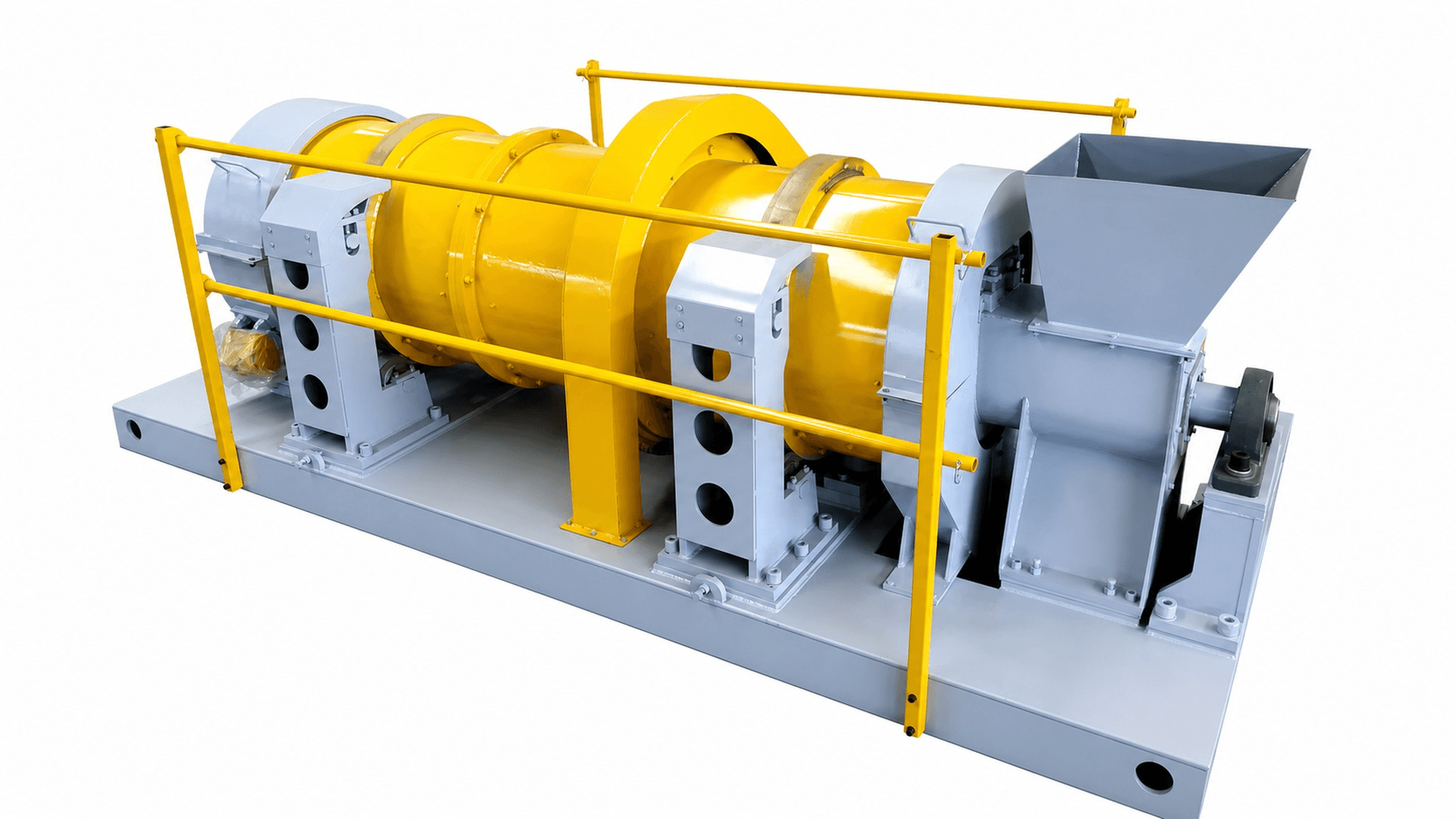
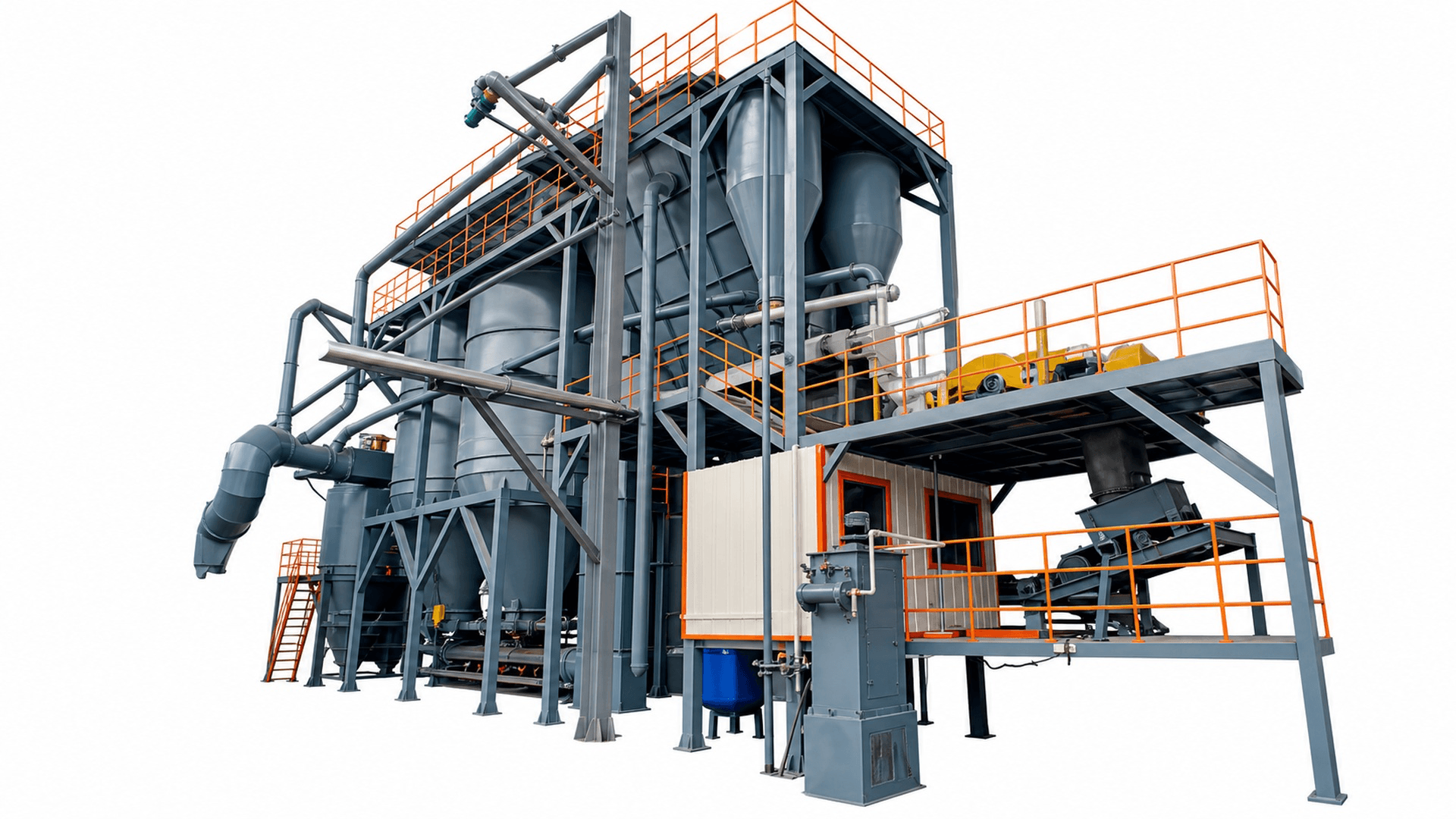
No-bake Resin Sand System
Integrated resin bonded sand production solutions for medium and large castings.
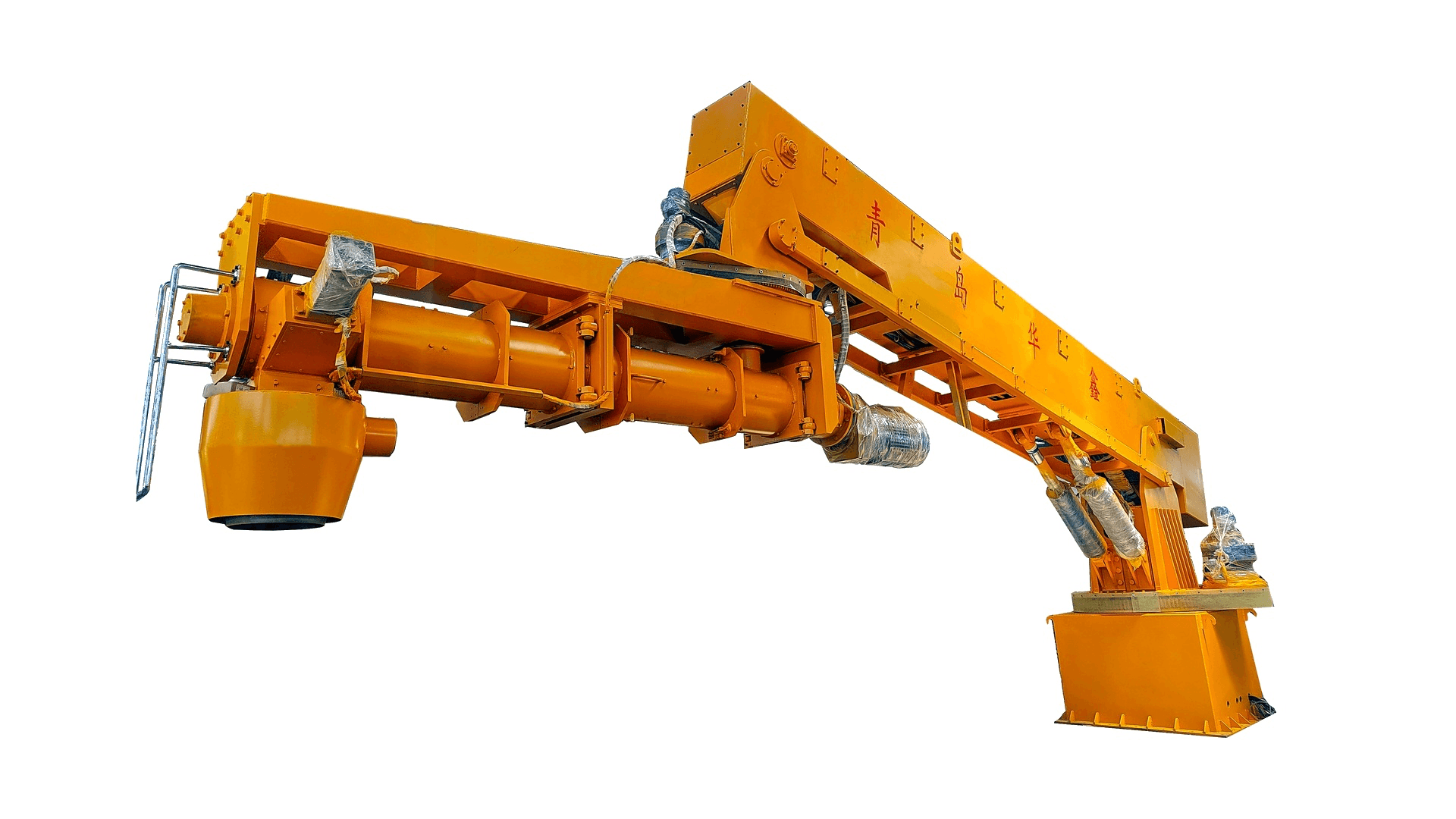
No-bake Sand Continuous Mixer
Continuous resin sand mixer providing accurate binder dosing and homogeneous sand mixing.
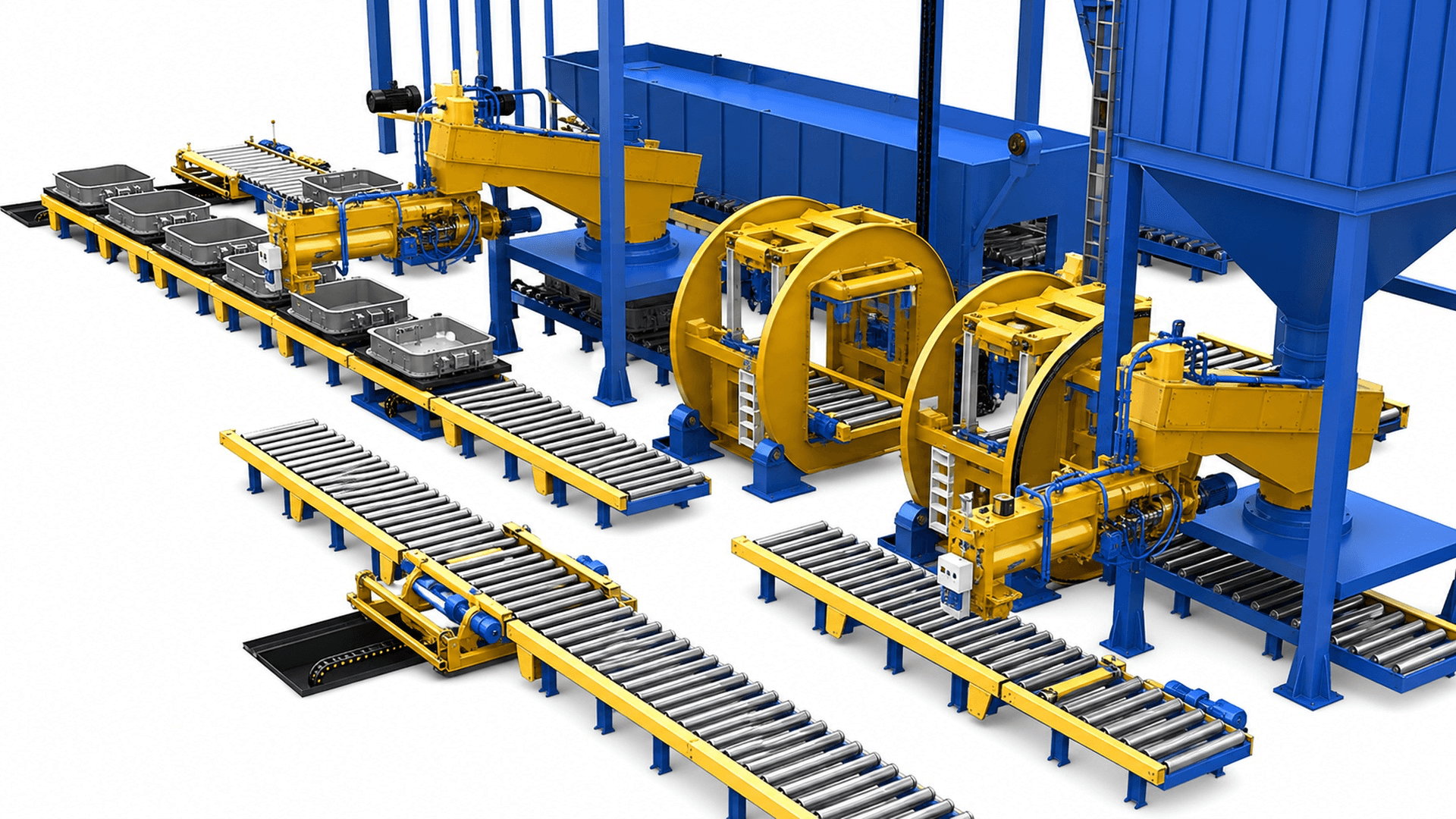
No-bake Sand Molding Line
Integrated molding line for resin bonded sand castings with flexible production capacity.
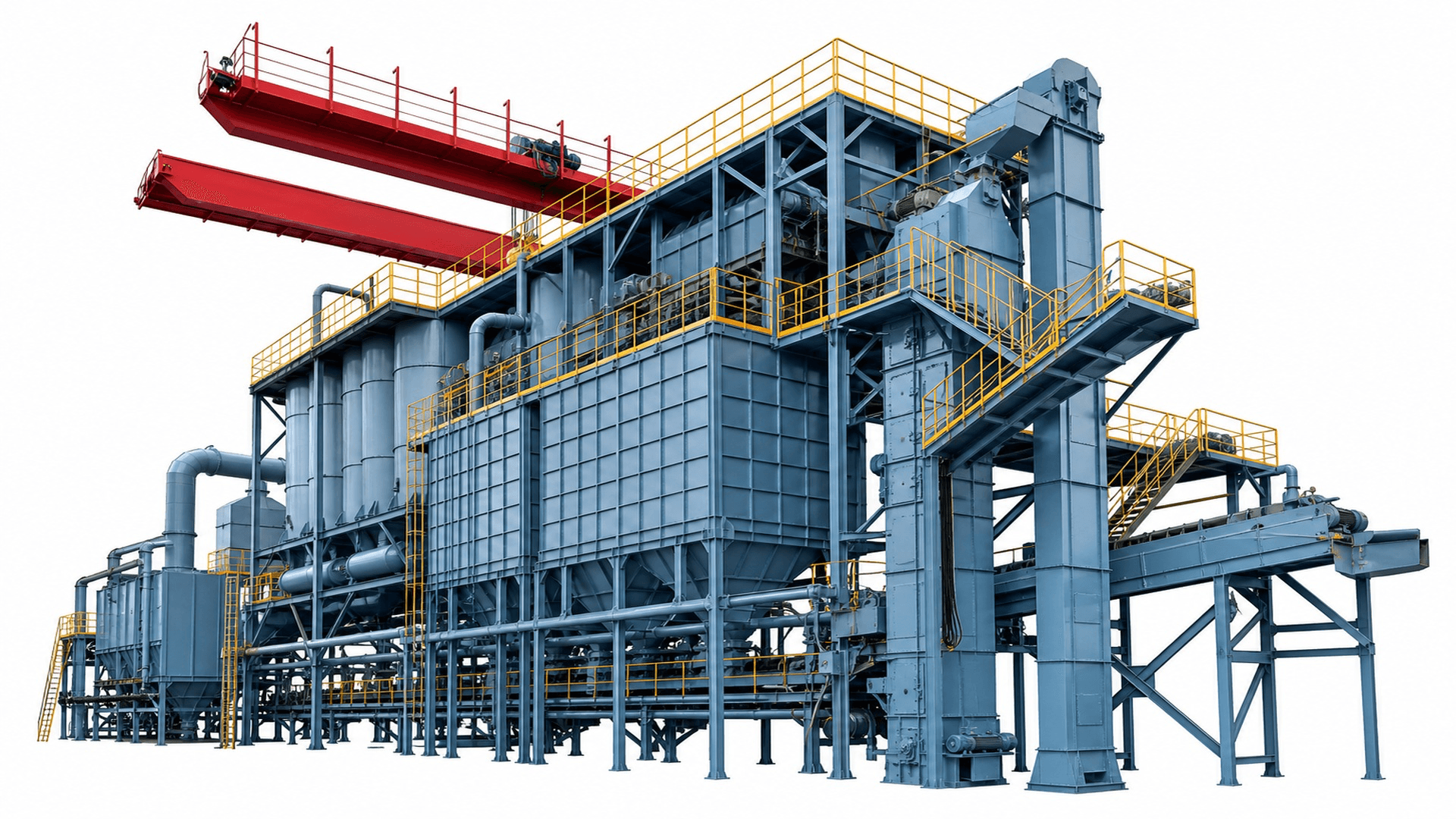
No-bake Sand Reclamation System
Mechanical and thermal sand reclamation system for recycling used resin sand and reducing operating costs.
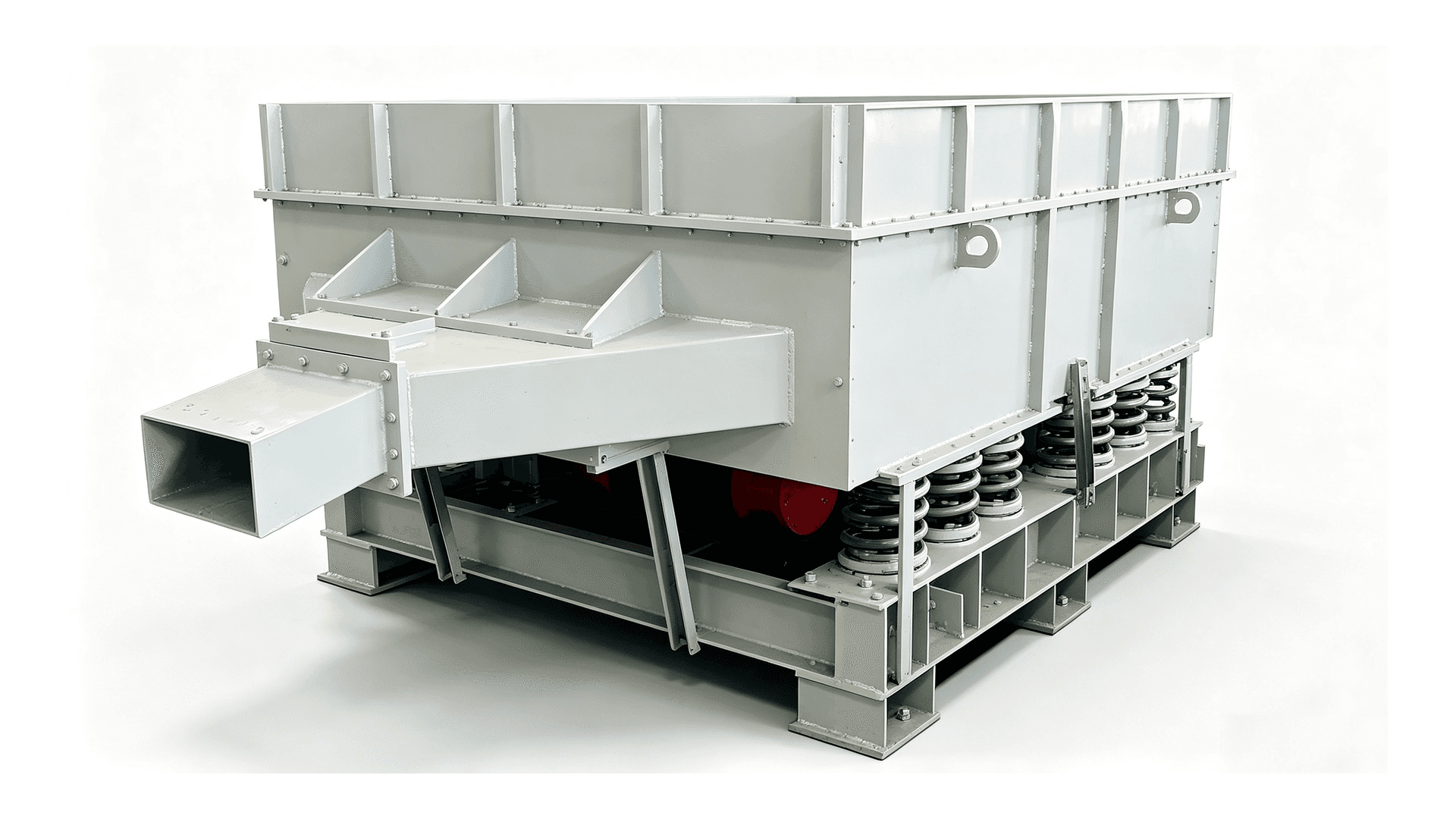
No-bake Sand Casting Machines
Integrated no-bake sand casting equipment for cooling, shakeout, reclamation and pneumatic conveying workflows.
Buyer Questions
Green Sand Production Line — Frequently Asked Questions
Answers to common questions about green sand (clay-bonded sand) production line process, equipment, quality control and service.
About the Green Sand Production Line
What is a green sand production line?
A green sand production line is a complete system designed for preparing wet-type clay-bonded molding sand, widely used in sand casting for iron, steel and non-ferrous alloy castings. The line continuously mixes raw sand, clay (bentonite), coal dust, water and other additives at preset ratios to produce molding sand with excellent flowability, compactability and permeability for automatic or manual molding processes.
Why is it called "Green Sand"? Does it refer to the color?
"Green Sand" does not refer to the color of the sand. Instead, it indicates that the mold is in a wet (unbaked or uncured) state. In the foundry industry, the term "green" denotes an uncured, wet condition. Therefore, clay-bonded sand is standardly referred to as green sand in English.
What is the main process flow of a green sand production line?
The typical process flow includes: raw sand feeding → used sand recovery and treatment → magnetic separation for iron removal → metered addition of clay/coal dust/additives → water addition and mulling → conditioning (adjusting compactability and moisture) → sand discharge → molding → pouring → shakeout → used sand cooling → sand recycling. The entire process is automatically controlled by a PLC system to ensure consistent molding sand quality.
Which casting processes is the green sand production line suitable for?
The green sand production line is suitable for green sand casting processes, including horizontal parting molding (e.g. static pressure molding, jolt-squeeze molding) and vertical parting molding (e.g. DISA lines), meeting production requirements from simple small castings to complex large castings.
Equipment & Performance
What are the main equipment included in a green sand production line?
The main equipment includes drum coolers/sand coolers, vibrating conveyors, magnetic separators, bucket elevators, mixers (muller-type or rotor-type), automatic dosing systems (for clay/coal dust/water metering), online compactability/moisture controllers, PLC control systems, dust collection systems and pneumatic conveying systems.
What is the mixing capacity of the sand mixer?
Our green sand mixers are available in various models with mixing capacity ranging from 10 tons/hour to 200 tons/hour, customizable based on the production rhythm of the customer's molding line and the sand-to-metal ratio.
How are the moisture content and compactability of the molding sand controlled?
The production line is equipped with online moisture and compactability controllers that monitor sand parameters in real time during mixing, automatically adjusting water addition and mulling time to maintain compactability within 35%–45% and moisture content within 2.5%–4.0%, ensuring consistent sand performance.
What is the recovery rate of used sand?
With a comprehensive used sand treatment system (including cooling, magnetic separation, screening and dust collection), the sand recovery rate can reach 90%–95%. An efficient reclamation system not only reduces the cost of new sand purchases but also minimizes solid waste emissions, in line with green foundry requirements.
What is the level of automation of the production line?
The entire production line is fully automated with PLC and host computer centralized control, featuring recipe management, automatic dosing, real-time monitoring, data logging, fault diagnosis and alarming functions. The intuitive and user-friendly interface significantly reduces reliance on operator experience and ensures consistent sand quality from batch to batch.
Quality & Maintenance
What are the key factors affecting green sand quality?
Key factors include effective bentonite content (directly affects bond strength and hot/wet tensile strength), moisture content (too high causes sand sticking, too low increases brittleness), compactability (reflects plasticity and moldability), permeability (affects gas porosity defects) and effective coal dust content (determines surface finish of castings). Our online monitoring and control system provides real-time measurement and automatic adjustment of these parameters.
What are the key points for daily maintenance of the mixer?
Daily maintenance includes regularly checking the wear condition of mullers/rotors and scrapers; cleaning residual sand accumulation inside the mixer; checking the lubrication system; periodically calibrating moisture and compactability meters; inspecting the operating status of conveying belts and bucket elevators; and ensuring the dust collection system is functioning properly. We recommend establishing a routine inspection and maintenance log system.
How should bentonite and coal dust be stored?
Bentonite should be stored in a dry, well-ventilated warehouse to prevent moisture absorption and agglomeration, which could affect metering accuracy and mixing performance. Coal dust should be kept away from fire sources and stored in a cool, dry place with fire and explosion prevention measures. We recommend using sealed silos with pneumatic conveying to minimize dust pollution and manual handling.
Purchasing & Service
How do I select the right specification for a green sand production line?
Please provide the following information and we will tailor a solution for you: molding line type and production rhythm (molds/hour), average sand-to-metal ratio, sand consumption per mold, annual production capacity requirements, existing workshop dimensions and height, used sand treatment method and environmental compliance requirements.
Do you provide installation, commissioning and training services?
Yes. We offer turnkey services from equipment foundation design, installation, piping connection, electrical wiring and system commissioning to operator training. Our engineering team can go to the customer's site to guide installation and commissioning, and provide systematic training on operation and maintenance to ensure a fast start-up and stable operation of the production line.
Environmental Protection & Safety
What environmental protection measures are implemented in the green sand production line?
The production line is equipped with a high-efficiency baghouse dust collection system that provides centralized dust removal at all dust-generating points such as shakeout, conveying and mixing. The dust emission concentration can be controlled below ≤10mg/Nm³, exceeding national environmental standards. In addition, the used sand reclamation system significantly reduces solid waste emissions, enabling clean production and resource recycling.
What are the safety precautions during operation of the production line?
Key safety precautions include: emergency stop devices on conveying equipment (belt conveyors, bucket elevators) must be fully functional; never insert hands or tools into the mixer during operation; the dust collection system should be regularly cleaned to prevent clogging; all rotating parts must have safety guards; operators should wear dust masks and protective goggles. We provide a complete safety operation manual and warning signs.
Buyer Questions
Resin Sand Production Line — Frequently Asked Questions
Answers to common questions about resin (no-bake) sand production line process, equipment, quality control and service.
About the Resin Sand Production Line
What is a resin sand production line?
A resin sand production line is a complete system designed for preparing resin-bonded molding sand, widely used in sand casting for steel, iron and non-ferrous alloy castings. The line continuously mixes virgin sand, resin and hardener at preset ratios to produce self-hardening sand for mold and core making, while also incorporating a sand reclamation system to recycle used sand.
What is the main process flow of a resin sand production line?
The typical process flow includes: raw sand storage and conveying → sand temperature conditioning → metered dosing of resin and hardener → continuous mixing → sand discharge for molding/core making → pouring and cooling → shakeout → used sand reclamation → dust collection → reclaimed sand recycling. The entire process is automatically monitored by a PLC control system.
Which casting processes is the resin sand production line suitable for?
The resin sand production line is suitable for furan resin self-hardening sand process, phenolic resin self-hardening sand process and ester-cured alkaline phenolic resin process, meeting production requirements from small-to-medium castings to large heavy castings.
Equipment & Performance
What are the main equipment included in a resin sand production line?
The main equipment includes sand silos and conveying systems, sand temperature conditioners, dual/three-sand metering systems, resin and hardener metering pump sets, continuous mixers, vibrating shakeout machines, sand reclamation units (mechanical or thermal), magnetic separators, dust collection systems and a PLC central control system.
What is the sand output capacity of the mixer?
Our resin sand mixers are available in various models with sand output ranging from 5 tons/hour to 120 tons/hour, customizable based on the customer's actual production capacity requirements.
What is the recovery rate of the sand reclamation system?
With a mechanical reclamation system, the recovery rate can reach 90%–95%; with a thermal reclamation system, the recovery rate can exceed 98%, and the Loss on Ignition (LOI) of the reclaimed sand can be controlled below 2.0%, fully meeting the requirements for high-quality casting production.
What is the level of automation of the production line?
The entire production line is fully automated with PLC and HMI (human-machine interface) control, featuring recipe setting, flow monitoring, fault alarming and data logging functions. It is easy to operate, significantly reduces manual intervention and ensures consistent molding sand quality.
Quality & Maintenance
How do you ensure the consistency of resin sand quality?
Through precision metering pumps (accuracy ≤±1%), real-time sand temperature control and online PLC monitoring, the resin addition, hardener addition and sand temperature of each batch are kept within set ranges, ensuring consistent sand strength, curing speed and bench life.
What are the key points for daily maintenance of the mixer?
Daily maintenance includes regularly cleaning sand accumulation on the mixing arm and blades; checking the sealing and flow rate of resin and hardener pumps; periodically replacing wear parts (e.g. blades, liners); maintaining the dust collection system in proper operation; and regularly calibrating the metering system.
How should resin and hardener be stored?
Resin should be stored in a cool, dry place away from fire sources and direct sunlight, with a recommended storage temperature between 5°C and 30°C. Hardener (e.g. sulfonic acid type) should be stored separately from resin, with anti-corrosion and leak-proof measures. Please refer to the Safety Data Sheet (SDS) provided by each supplier for specific storage requirements.
Purchasing & Service
How do I select the right specification for a resin sand production line?
Please provide the following information and we will tailor a solution for you: annual or hourly production capacity requirements, main casting materials and weight range, existing workshop dimensions and height, preferred sand reclamation method (mechanical/thermal) and budget range.
Do you provide installation, commissioning and training services?
Yes. We offer turnkey services from equipment installation, piping connection and system commissioning to operator training. Our engineers can go to the customer's site to guide installation and commissioning, and arrange training on system operation and maintenance to ensure a smooth production start-up.